• On April 8, COSCO Shipping's "Guoyun Sea" ship berthed at Guangzhou Nansha Port, marking the successful maiden voyage of its first container liner route, a multi-purpose ship direct voyage to North Africa. The route connects Nansha with Port Said in Egypt, Benghazi in Libya and Misurata in Libya, with a shortest voyage of only 21 days, providing the fastest delivery time for Nansha to Libya. The route has strong cargo adaptability, can carry new energy vehicles, lithium batteries and other dangerous chemical containers, and equipped with refrigerator sockets to meet diversified export needs, highlighting the advantages of efficient and reliable comprehensive services.
  • Vale and Shandong Shipping have signed a contract for the world's first batch of ethanol/methanol three-fuel ocean-going ships. The new ships will be built by Qingdao Beihai Shipbuilding and are scheduled to be delivered from 2029. This is the first time that the maritime industry has used ethanol as the main fuel in an ocean-going vessel, which is expected to reduce greenhouse gas emissions by about 90%. The 25-year contract, involving two second-generation Guaibamax vessels, is designed to be flexible and forward-looking, support the subsequent transformation of LNG or ammonia fuel, and be equipped with a number of energy efficiency technologies such as rotor sails, which is Vale's key initiative to promote emission reduction across the value chain.
  • According to the 2025 survey released by the State Post Bureau, the public satisfaction score of express delivery services last year was 85 points, a slight increase year-on-year. The average time limit for the entire express service was shortened to 51.22 hours, a decrease of 2.66 hours year-on-year, with a significant improvement in the efficiency of the transportation link. The 72-hour proper investment rate reached 87.04 percent, up 3.09 percentage points year-on-year. The survey covers 50 cities and 9 major express brands across the country, and the service quality in the western region has improved significantly.
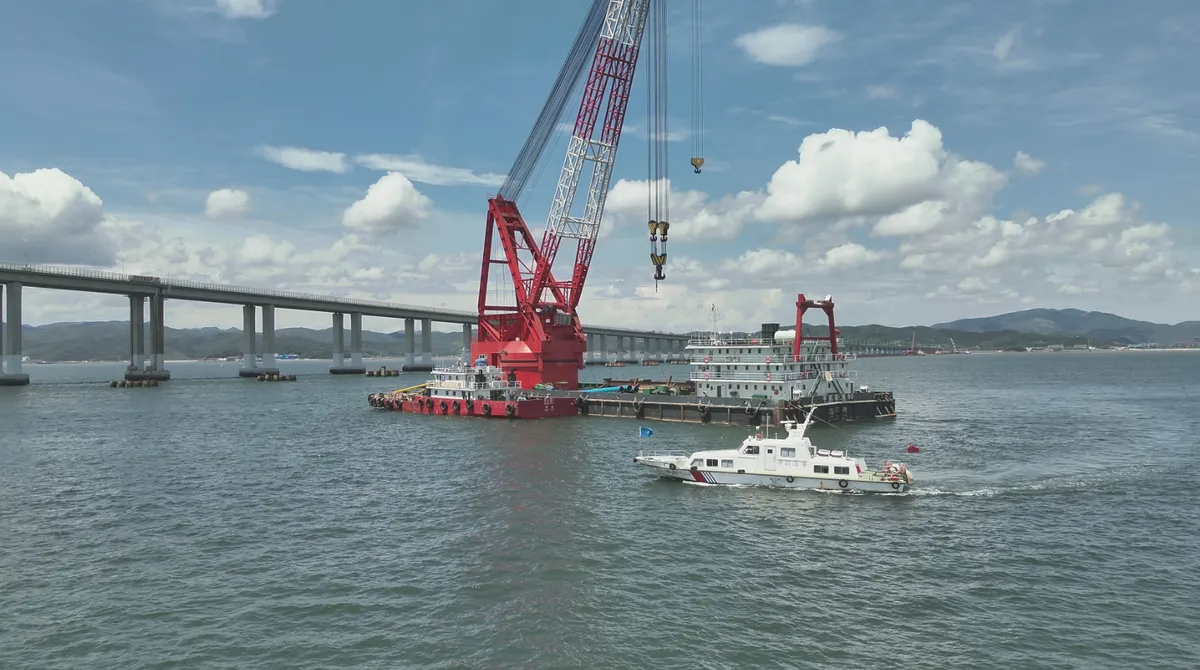
  • On March 31, the world's highest piling ship "Tiejian Bridge Pile 1" was officially delivered in Nantong. The ship was independently designed and built by my country, and delivered to the China Railway Construction Bridge Engineering Bureau Group for operation, realizing the localization of the whole chain of "design, construction and operation. Its pile frame height is 156 meters, the operating water depth is over 70 meters, and the lifting capacity is 700 tons. It is currently the world's strongest pile driver and will provide key equipment support for major strategic projects in the far-reaching sea.
  • Guizhou's transportation evolution showcases the progress from ancient routes to modern marvels, inspiring a journey Xu Xiake might undertake through today's infrastructure.
  • On March 31, the train from Fuling Longtou Port to North Africa, a new western land and sea channel, was successfully launched, loaded with 150 sets of SKD pieces worth about 10 million yuan, and shipped to Algeria via Qinzhou Port in Guangxi. The train adopts the "railway sea transport" multimodal transport mode, which is more than 10 days shorter than the traditional river-sea transport, demonstrating the ability of the channel to serve the export of high value-added products. Since the opening of the special railway line, the throughput of Longtou Port has increased significantly, and the logistics cost has been effectively reduced through the railway-public-water combined transport system, providing solid logistics support for the two-city economic circle in Chengdu-Chongqing region and China-Africa economic and trade cooperation.
  • Recently, the Ministry of Transport revised and issued five departmental emergency plans including the "Comprehensive Emergency Plan for Transportation", aiming to promote the institutionalization and standardization of the emergency management system. The revision focuses on strengthening the four aspects of prior prevention, command system, industry guidance and linkage, highlighting the active defense of disaster weather, improving emergency command responsibilities, compacting territorial responsibilities and unifying the plan style. In the next step, publicity and implementation work will be carried out to enhance the ability to respond to emergencies and ensure the safety of people's lives, property and infrastructure.
  • According to data released by the China Federation of Logistics and Purchasing, the total revenue of China's logistics industry in the first two months of 2024 reached 2 trillion billion yuan, an increase of 5.2 percent over the same period last year, making a steady start. The structure of the logistics market continues to be optimized, the new quality productivity empowerment effect appears, and the supply chain orders of key enterprises grow significantly. The efficiency of comprehensive transportation such as railways, highways and water transportation is good, the vitality of cross-border logistics has rebounded, China-Europe trains and air freight have become the core channels of foreign trade, and the competitiveness of the international logistics supply chain has been enhanced.
  • The 2026 "Silk Road Shipping" annual meeting was held in Nanning, Guangxi, and it was the first time to go out of Fujian, marking the joint construction of a new land and sea channel between Guangxi and Fujian provinces. The meeting focused on the navigation of the Pinglu Canal and the economic development to the sea. Relying on Guangxi's geographical advantages adjacent to ASEAN and Fujian's port and shipping operation experience, the meeting aims to promote in-depth cooperation between the southeast coast and the Beibu Gulf port group, open up the blocking points of river-sea intermodal transportation, expand the market in the hinterland of Asia and Europe, and help the "Silk Road Shipping" alliance to grow and extend the international logistics network.
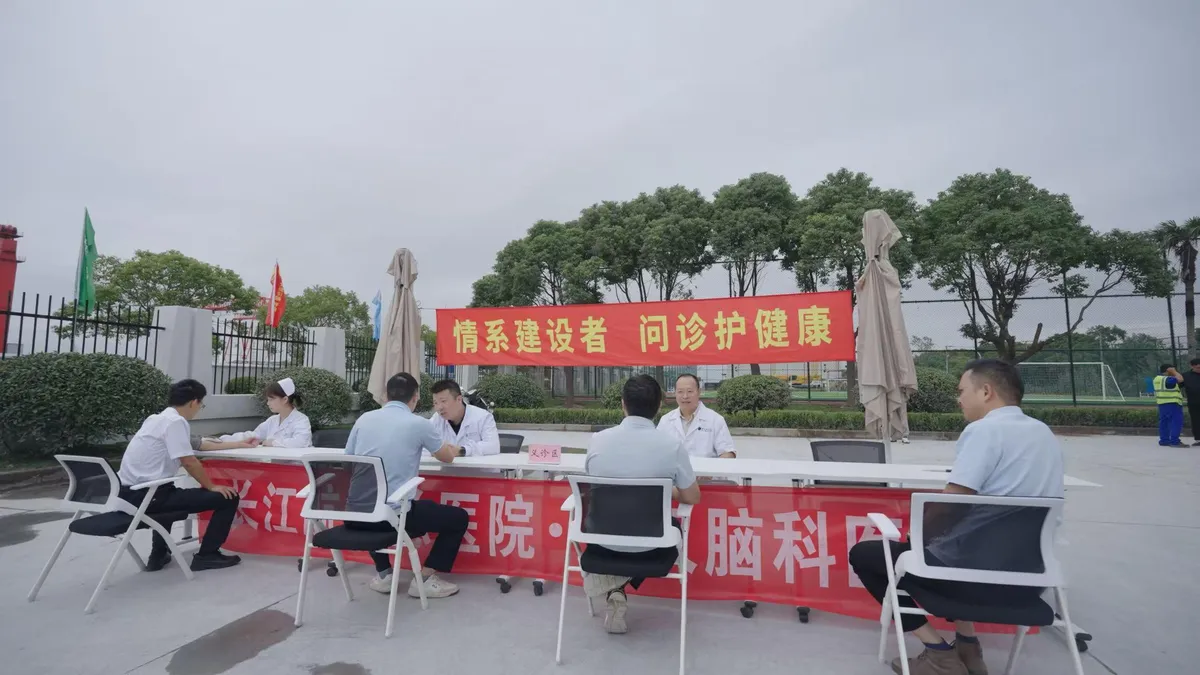
  • In 2026, the whole chain of ship inspection in Shanghai will be held in Changxing Island, and 38 units will jointly issue the Changxing Initiative, focusing on the green and intelligent development of the industry. At the meeting, Shanghai (Changxing) Ship Inspection Service Center was officially inaugurated. The center aims to build a cross-agency collaboration hub, promote pre-discussion of technical standards, mutual recognition of three-dimensional drawings and data sharing through multi-party linkage, build an efficient service ecosystem, and promote the deep integration of maritime supervision and industry innovation.
  • The Permanent Mission of Iran to the United Nations issued a statement on 25 March announcing that qualified non-hostile vessels would be allowed safe passage through the Strait of Hormuz. The condition is that the country to which the ship belongs or is associated with shall not participate in or support an act of aggression against Iran, and must fully comply with Iran's published security regulations and coordinate with relevant Iranian authorities. The move clarifies Iran's policy stance on key waterways.
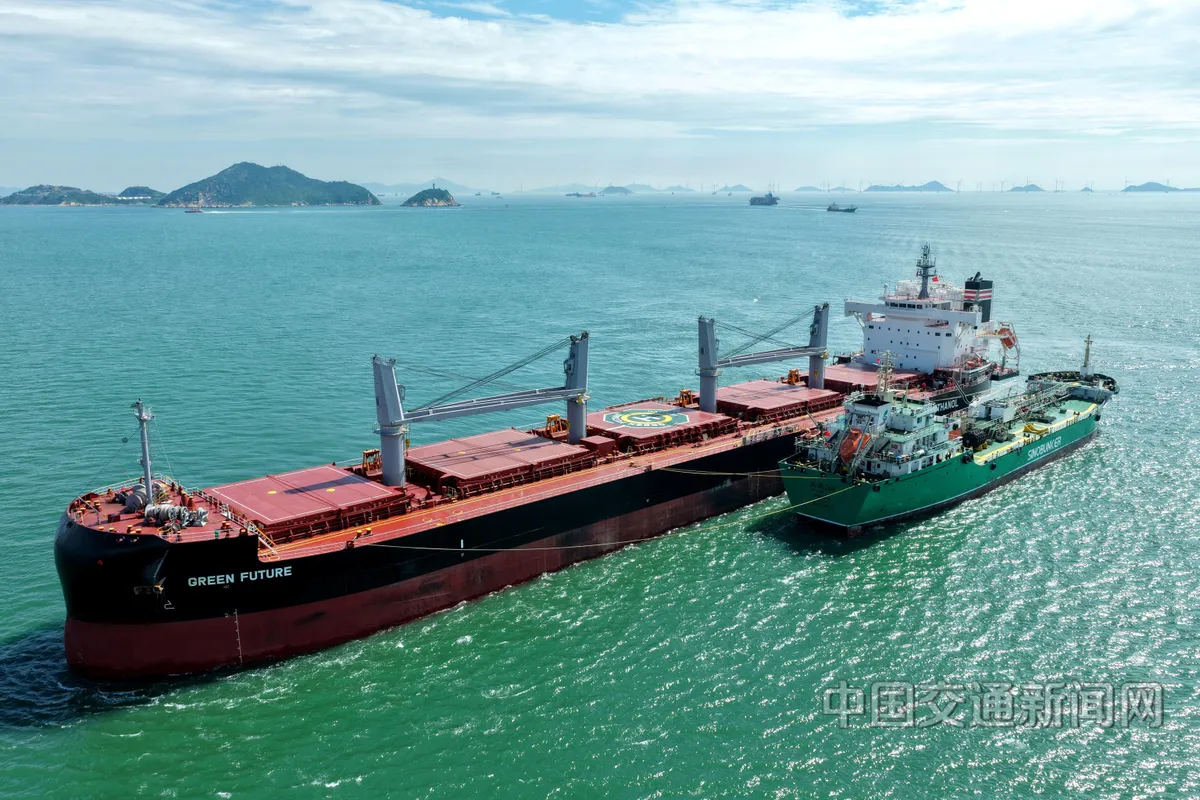
  • On March 21, the day and night throughput of Shandong Port Bohai Bay Port Binzhou Port exceeded 100000 tons for the first time, reaching 102160 tons, setting a new record since the opening of the port. In the face of the concentrated arrival of oil, LPG and bulk cargo ships, the port area through the "set mooring hot connection" mode to reduce the berthing time, and in cooperation with maritime, customs and other units to achieve efficient synchronous operation of a number of dangerous chemical ships. The operation units are closely linked to optimize the customs clearance process and production organization, significantly improving the operation efficiency, marking a new level of port production organization and comprehensive support capacity.
  • In February 2024, Hebei Port Group Tangshan Port Jingtang Port Bonded Logistics Center (Type B) achieved an import and export trade volume of 2.5 billion billion yuan, ranking first among 89 similar centers in the country, setting a record high. Relying on the advantages of a deep-water port, the center has realized the simultaneous improvement of business scale and quality by optimizing the customs clearance process and focusing on the main business of commodity bonded logistics, especially steel bonded warehousing and other characteristic businesses. In the future, the center will continue to strengthen the platform function, is committed to building the country's leading commodity bonded logistics hub, to help the high-quality development of regional foreign trade.
  • Shanghai Nangang Wharf successfully completed the first batch of energy storage cabinets for shipment and export, marking a new channel for energy storage cabinets to go to sea in the Yangtze River Delta region. The 46 energy storage cabinets exported this time weigh 43 tons and are shipped to Europe together with a total of 717 pieces of equipment such as wind power equipment. The terminal has obtained the only export qualification of energy storage cabinet in Shanghai through special upgrading, which provides an efficient and low-cost shipping export scheme for the port energy storage industry cluster. At the same time, the border inspection department implements the whole chain supervision to ensure the safety of dangerous goods transportation.
  • Mohammed Buhati, a member of the political Bureau of the Houthi armed forces in Yemen, said that in order to support Iran's resistance to the military strikes by the United States and Israel, the organization is considering all possible options, including blocking the strategically important Mande Strait. Buhati stressed that if the blockade is taken, it will only target ships from countries involved in attacks on Iran, Iraq, Lebanon and Palestine. The Strait of Mande is a key waterway connecting the Red Sea and the Gulf of Aden. It is known as the "throat" connecting the Atlantic, Mediterranean and Indian Oceans. It is vital to global shipping and the Eurasian-African trade corridor.
CNAUTO TDD-global