The 2026 Maritime Science and Technology Innovation Symposium was held in Wuhan.
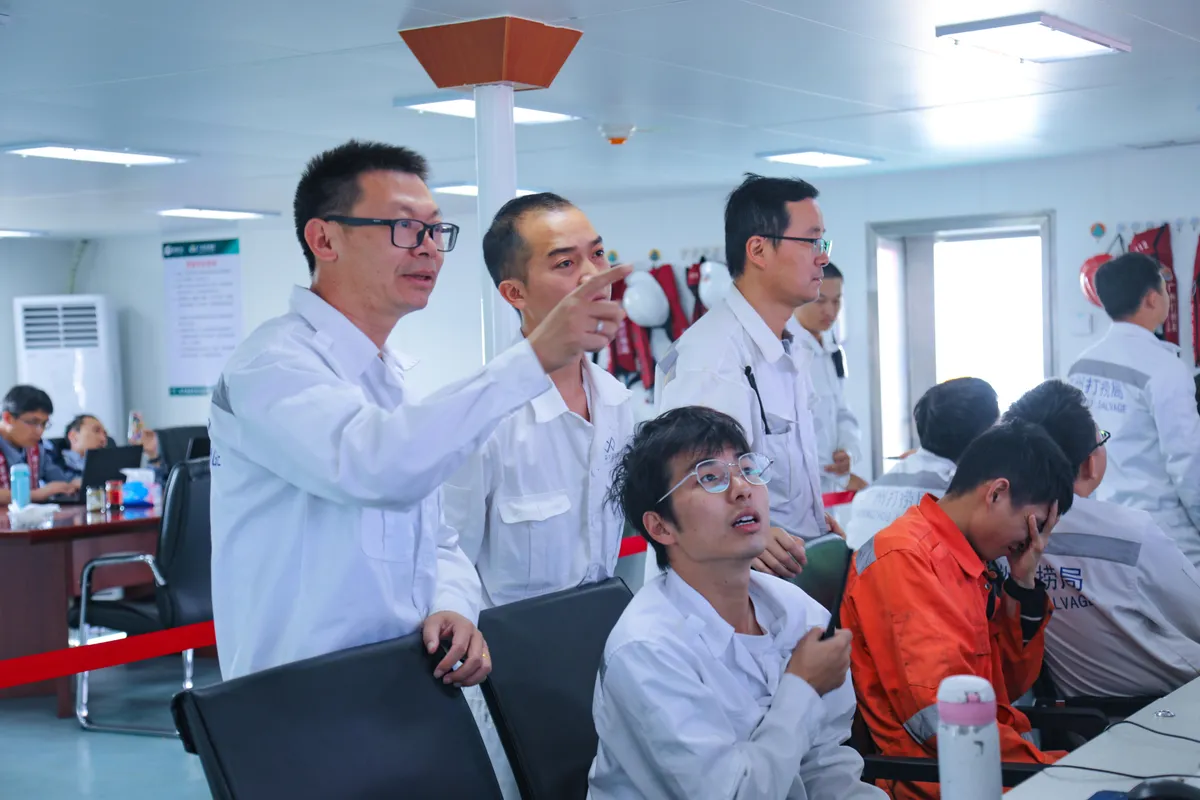
On April 18, the 2026 Maritime Science and Technology Innovation Seminar was held at Wuhan University of Technology. The seminar, hosted by the China Institute of Navigation and organized by the School of Navigation of Wuhan University of Technology, aimed to thoroughly implement the national innovation-driven development strategy, promote the transformation of scientific and technological achievements in the maritime field, precisely align with the needs of scientific and technological workers, strengthen talent cultivation, enhance the level of standard formulation, and contribute to the high-quality development of the maritime industry. More than 200 representatives from over 100 organizations in the transportation sector, including enterprises, institutions, and research institutes, attended the conference.
Liu Chunjiang, Deputy Secretary of the Party Committee of Wuhan University of Technology, stated that the university will continue to leverage its advantages in education and research, accelerate the pilot application of large models in maritime science and technology education, actively build a new model for cultivating maritime talent in the intelligent era, and expedite the deep integration of technological and industrial innovation to support China's self-reliance and self-strengthening in maritime science and technology and the development of new productive forces in shipping.
Yan Xinping, President of the China Institute of Navigation and Academician of the Chinese Academy of Engineering, stated in his speech that China's maritime science and technology is currently at a critical stage of transitioning from "quantitative accumulation" to "qualitative leap." The accelerated cultivation of new productive forces places higher demands on industry innovation models, evaluation mechanisms, and talent support systems. He emphasized that the institute will strengthen academic exchanges, optimize journal operations, and enhance academic dissemination and international influence; continuously deepen achievement evaluation, improve reward mechanisms, and refine standard systems; facilitate the transformation of achievements, optimize talent cultivation systems, and promote high-quality development in maritime science and technology through comprehensive innovative measures.
Li Shixin, Executive Vice President of the China Institute of Navigation, introduced the institute's recent phased achievements in areas such as organizing academic exchanges, building a science and technology reward system, advancing standard development, fostering and supporting talent, and expanding international cooperation.
Hu Ya'an, former Chief Engineer of the Nanjing Hydraulic Research Institute and Academician of the Chinese Academy of Engineering, shared his long-term research and application achievements in the field of inland waterway transportation, focusing on technical breakthroughs in navigation structures, core equipment development, and major engineering practices. He also delivered a report titled "Insights and Reflections on the Refinement of Scientific and Technological Achievements and Award Applications."
At the conference, Professor Liu Kezhong, Dean of the School of Navigation at Wuhan University of Technology, shared his experiences on applying for maritime science and technology awards. Huang Rong, Director of the Icebreaker Research Institute at the Polar Research Institute of China, delivered a keynote report titled "Demands and Challenges of Independent Innovation in Polar Equipment." Wang Xianguang, Director of the Standards and Metrology Research Center at the Ministry of Transport's Scientific Research Institute, presented a report titled "Standards Leading to Quality Improvement and Efficiency Enhancement: Innovation-Driven Dreams in Maritime." Liu Shun, Secretary-General of the China Institute of Navigation, provided a detailed analysis of the regulations related to the evaluation and reward methods for maritime science and technology achievements. Participants engaged in group discussions and exchanges on three topics: scientific and technological achievements, group standards, and talent cultivation.
During the conference, attendees visited the university's history museum and intelligent operation center.
-
China Classification Society Shanghai Branch Innovatively Conducts 2026 New Employee Orientation Training4883
-
The nation's first lighthouse data intellectual property registration established at Naozhou Lighthouse.4455
-
Tianjin Maritime Bureau visited Yan'an "Young Maritime School" to conduct the "First Lesson" on maritime safety knowledge for the new school term.3404
-
Yangshan Port Maritime Authorities Take Multiple Measures to Ensure the Safe Departure of Thousands of Fishing Vessels4179
-
The first domestic green methanol bunkering operation for an internationally navigating bulk carrier has been successfully completed.4141