US government announces $20 billion reinsurance program
Due to the escalation of conflicts in the Middle East, insurance costs for ships traveling through the Strait of Hormuz and surrounding waters have risen significantly. On the 6th local time, the U.S. government announced a reinsurance plan to ensure the passage of tankers and other vessels.
On the 6th local time, the U.S. government announced maritime reinsurance for shipping in the Gulf region, with the U.S. International Development Finance Corporation providing rolling coverage for losses up to $20 billion, focusing on maritime risks including war insurance. This move aims to ensure that key materials such as oil, gasoline, and liquefied natural gas continue to be transported globally through the Strait of Hormuz.
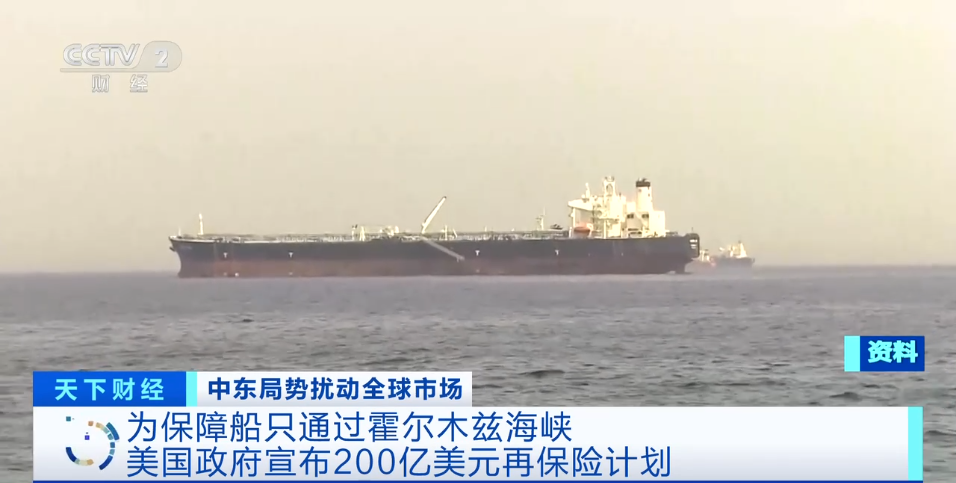
It is reported that reinsurance is insurance for insurance companies. Amidst the tense situation in the Middle East, war risk insurance rates in the Gulf region have skyrocketed. For example, for a tanker valued at $200 million to $300 million, the hull war insurance rate has surged from about 0.25% before the conflict, approximately $625,000, to the current 3%, about $7.5 million, an increase of over tenfold. Many commercial insurance companies have canceled war insurance coverage for ships in the Persian Gulf and nearby waters. The surge in premiums has pushed up transportation costs, and the lack of insurance increases transportation risks, causing several ships to remain near the Strait of Hormuz.
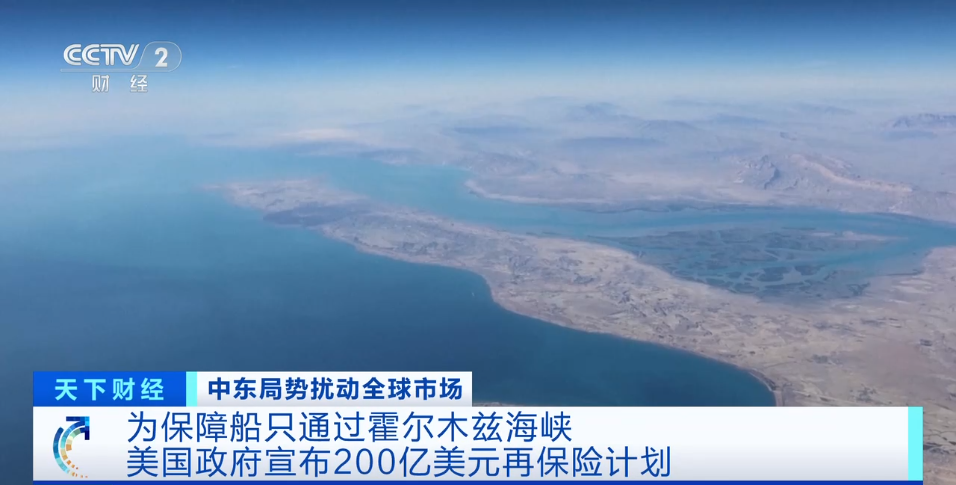
JPMorgan estimates that tankers traveling to and from the region may require over $300 billion in insurance, far exceeding the $20 billion announced by the U.S. Additionally, analysts believe that insurance is not the main issue faced by shipowners. The reason tankers do not pass through the Strait of Hormuz is primarily due to shipowners' concerns about their own safety.
-
China Classification Society Shanghai Branch Innovatively Conducts 2026 New Employee Orientation Training4883
-
The nation's first lighthouse data intellectual property registration established at Naozhou Lighthouse.4457
-
Tianjin Maritime Bureau visited Yan'an "Young Maritime School" to conduct the "First Lesson" on maritime safety knowledge for the new school term.3404
-
Yangshan Port Maritime Authorities Take Multiple Measures to Ensure the Safe Departure of Thousands of Fishing Vessels4179
-
The first domestic green methanol bunkering operation for an internationally navigating bulk carrier has been successfully completed.4143