
Ammonium Sulfate
6180
April 15, 2025, 10:00 AM
Guide
Highlights at a glance
Ammonium sulfate ((NH₄)₂SO₄) is a widely used inorganic nitrogen-sulfur fertilizer, available in synthetic, by-product, gypsum-based, and pyrite-based forms, with by-product accounting for nearly half of global production. It is classified by particle form into crystalline, granular, and powder types, each suited to specific application methods. With 21.2% nitrogen (as ammonium) and 24% sulfur, it offers balanced nutrition, low hygroscopicity, and excellent storage stability. Compared to urea, ammonium nitrate, and ammonium chloride, it has moderate nitrogen content, low volatilization loss, and a strongly acidic physiological effect, making it ideal for neutral and calcareous soils. Granular and coated forms enhance mechanical application and nutrient use efficiency, with coated versions offering controlled release for high-value crops. Key quality standards require ≥20.5% N, ≤1.0% moisture, and strict limits on heavy metals. Its versatility supports broad agricultural use, especially where sulfur deficiency is a concern.

1.Product Characteristics and Properties
1.1 Definition and Classification
Ammonium Sulfate((NH₄)₂SO₄) is an important inorganic nitrogen fertilizer that also contains sulfur, being one of the earliest nitrogen fertilizers used worldwide. According to the international Fertilizer Association(IFA) standards, ammonium sulfate can be classified into the following categories based on production processes
-
Synthetic Ammonium Sulfate:
-
Produced through direct neutralization of synthetic ammonia with sulfuric acid, featuring high purity and stable quality, accounting for approximately 35% globally.
-
-
By-product Ammonium Sulfate:
-
Produced as a by-product in steel, coking, and other industries by recovering ammonia from waste gases, accounting for about 45% of total production.
-
-
Gypsum-Based Ammonium Sulfate:
-
Produced through the reaction of gypsum with ammonium carbonate, with lower costs but inferior quality, accounting for approximately 10%
-
-
Pyrite-based Ammonium Sulfate:
-
Produced using sulfuric acid from pyrite oxidation that reacts with ammonia, accounting for about 10%
-
Based on particle form, ammonium sulfate can be further classified as:
-
Crystalline Ammonium Sulfate:
-
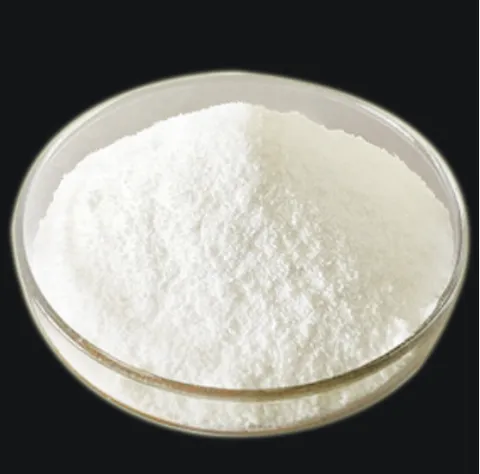
Crystal size 0.5-2.0mm, good flowability
-
-
Granular Ammonium Sulfate:
-
Particle size 2-4mm, suitable for mechanical application
-
-
Powder Ammonium Sulfate:
-
Particle size
-
1.2 Physicochemical Properties and Product Specifications
Major Physicochemical properties and international standard specifications of ammonium sulfate:
Basic Physicochemical Parameters:
-
Chemical Formula: (NH₄)₂SO₄
-
Molecular Weight: 132.14 g/mol
-
Nitrogen Content: 21.2% (all as ammonium nitrogen)
-
Sulfur Content: 24.0% (as S)
-
Crystal Form: Orthorhombic crystal system, typically colorless or white crystals
-
Solubility: 75.4g can dissolve in 100g water at 20℃, solubility increases with temperature
-
Density: 1.77 g/cm³ (crystal density)
-
Bulk Density: 0.90-1.10 g/cm³ (varies with particle form)
-
Critical Relative Humidity (CRH): 79.2% (at 25℃)
International Quality Standards:
-
Nitrogen Content: ≥20.5% (industrial grade); ≥21.0% (high-grade agricultural)
-
Moisture: ≤1.0% (bagged); ≤0.5% (bulk)
-
Free Acidity: ≤0.05% (as H₂SO₄)
-
Heavy Metal Content: Lead (Pb) ≤10mg/kg, Arsenic (As) ≤5mg/kg, Cadmium (Cd) ≤8mg/kg
-
Water Insoluble Matter: ≤0.5%
-
Particle Size Requirements (granular): 1-4mm proportion ≥90%
-
pH Value: 5.0-6.0 (10% aqueous solution)
1.3 Comparison of Ammonium Sulfate with Other Nitrogen Fertilizers
Ammonium sulfate has unique application value in the nitrogen fertilizer family
| Characteristic | Ammonium Sulfate | Urea | Ammonium Nitrate | Ammonium Chloride |
| Nitrogen Content(%) | 21.0-21.2 | 46.0-46.4 | 33.5-34.0 | 25.0-25.6 |
| Nitrogen Form | All ammonium | Amide | Ammonium+Nitrate(1:1) | All ammonium |
| Sulfur Content(%) | 23.5-24.0 | 0 | 0 | 0 |
| Physiological Effect | Strongly acidic | Moderately Acidic | Weakly acidic | Strongly acidic |
| Hygroscopicity | Low | High | Very high | High |
| Soil Adaptability | Suitable for neutrla, calcareous soils | Wide adaptability | Wide adaptability | Suitable for neutral, clacareous soils |
| Nitrogen Fixing Effect | Strong | Weak | None | Moderate |
| Volatilization Loss | Low ( | High (10-30%) | Low ( | Moderate (5-15%) |
| Salt Index | 69 | 75 | 105 | 102 |
| Quick-acting Property | Moderate | Slow | Fast | Moderate |
| Storage Stability | Excellent | Good | Poor | Good |
1.4 Ammonium Sulfate Product Forms and Application Characteristics
Characteristics and application scenarios of different forms of ammonium sulfate
-
Crystalline Ammonium Sulfate
-
Crystal Size: 0.5-2.0mm, crystallinity > 95%
-
Bulk Density: 0.96-1.05g/cm³
-
Flowability: Good, flow angle 30-35°
-
Application Characteristics: Easily dissolved, fast nutrient release
-
Application Range:Suitable for field crop basal and top dressing, especially sulfur-deficient crops
-
-
Granular Ammonium Sulfate:
-
Particle Size: 2.0-4.0mm, roundness > 90%
-
Bulk Density: 1.00-1.10 g/cm³
-
Strength: > 20N/granule, facilitating mechanical application
-
Application Characteristics: Moderate dissolution rate, strong anti-caking property
-
Applicable Range: Mechanized application, sulfur-deficient crops requiring long-term nitrogen supply
-
-
Coated Ammonium Sulfate Modified Products:
-
Coating Materials:Polymers, sulfur, or biomaterials
-
Nutrient Release Period: adjustable 30-90days
-
Nitrogen Use Efficiency: 10-15 percentage points higher than regular ammonium sulfate
-
Price premium: 30-50% higher than regular ammonium sulfate
-
Application Fields: High-value economic crops, facility agriculture
-
More Sourcing News
77497
July 4, 2025
73778
July 10, 2025
71717
July 10, 2025
64524
July 4, 2025
61717
July 10, 2025