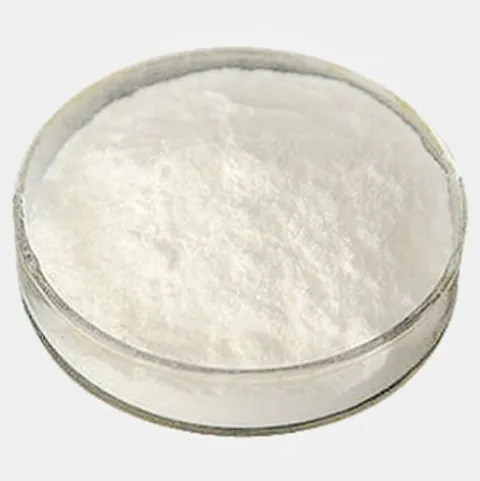
Pretilachlor Product Introduction
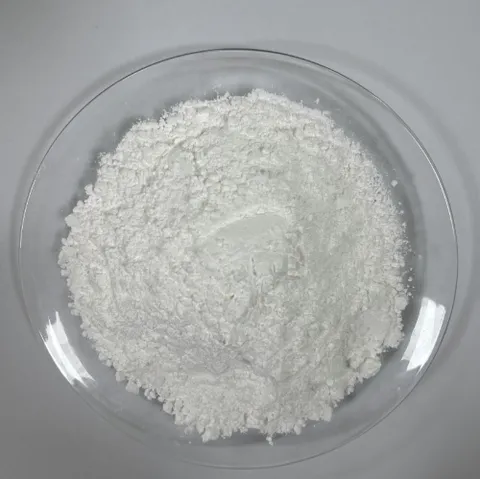
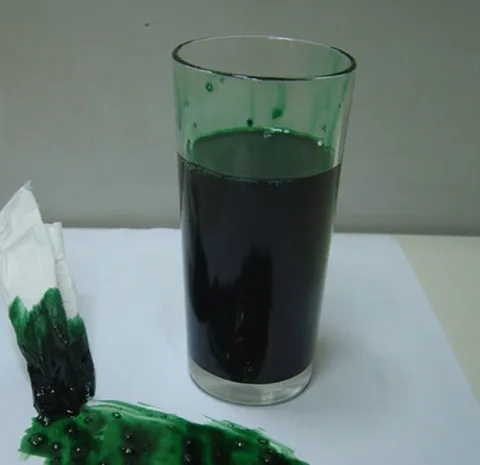
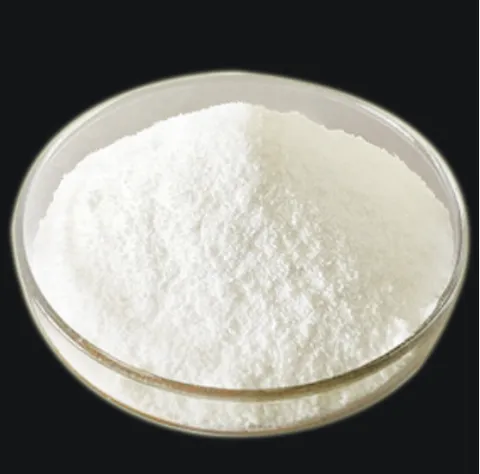
Pretilachlor is a highly selective herbicide specifically for paddy rice fields, safe for rice, and has a broad weed control spectrum. It was successfully developed by Ciba-Geigy (now Syngenta) in Switzerland in 1979. In recent years, its usage has increased annually alongside the expansion of direct-seeded rice cultivation area.
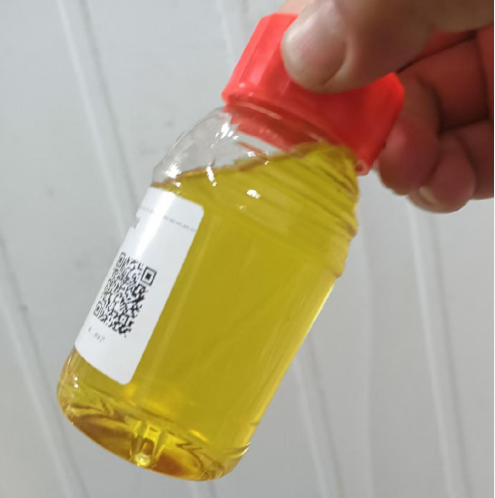
1. Uses
A selective pre-emergence herbicide and cell division inhibitor. Used for soil treatment, it controls barnyardgrass (Echinochloa crus-galli), smallflower umbrella sedge (Cyperus difformis), needle spikerush (Eleocharis acicularis), monochoria (Monochoria vaginalis), narrowleaf waterplantain (Alisma canaliculatum), and others in rice paddies. It is absorbed through the hypocotyl and coleoptile, interfering with protein synthesis and indirectly affecting weed photosynthesis and respiration. Furthermore, it has poor efficacy against perennial weeds, and when applied alone, it has weaker selectivity for wet-transplanted rice. When used with the safener fenclorim, it provides excellent selectivity for direct-seeded rice.
II. Pretilachlor Characteristics
Pretilachlor herbicide is a low-toxicity, selective, pre-emergence soil-residual herbicide.
1.Site of Absorption
Weed seeds absorb the herbicide mainly through the hypocotyl and coleoptile during germination; root absorption is minimal. However, in leaky paddies, herbicide leaching can cause phytotoxicity.
2.Herbicidal Symptoms
a)Primary leaves fail to emerge or emerge sideways from the coleoptile.
b)Twisting and inability to extend normally.
c)Growth and development cease, leading to death shortly after.
3.Mechanism of Action
a)Reduces ion uptake and inhibits effective cell division by affecting cell membrane permeability.
b)Inhibits protein synthesis and polysaccharide formation, also indirectly affecting photosynthesis and respiration.
c)Rice plants possess the ability to metabolize pretilachlor into inactive substances. However, rice seedlings lack sufficient capacity to rapidly metabolize it. Therefore, pretilachlor cannot be used in direct-seeded fields or nursery seedbeds.
d)Rice is sensitive to pretilachlor during the germination stage. To ensure early application safety, pretilachlor is often formulated with the safener fenclorim. The safener is primarily absorbed by the roots. Therefore, in direct-seeded fields and nursery seedbeds, seeds must be pre-germinated before sowing, and the herbicide applied 1-4 days after sowing to ensure rice safety.
We are building a global agricultural inputs industry internet platform, rigorously vetting and connecting hundreds of reliable suppliers with massive procurement demand. We are committed to eliminating information barriers, optimizing supply chain efficiency, reducing transaction costs, and empowering scientific farming. Whether you are an agricultural input manufacturer, distributor, or large-scale farmer, FDD-Global is the trusted platform to help you seize business opportunities, achieve cost reduction, efficiency enhancement, and income growth.