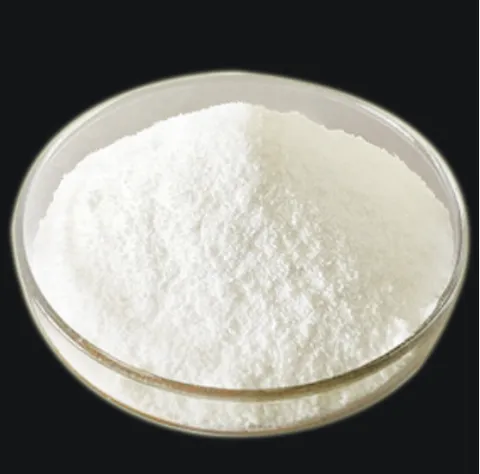
Canadian Red Granular Potassium Fertilizer — High-Potassium Agricultural Fertilizer
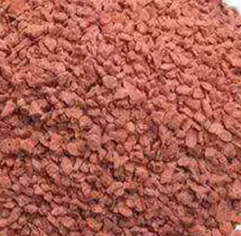
Canadian Red Granular Potassium Fertilizer is a high-concentration solid potassium fertilizer with potassium chloride as the main component. The most prominent appearance feature of the product is its natural brick-red or rose-red granules. The color comes from trace iron oxide associated with mineral salts, which is a natural mineral color, not artificially dyed. This unique color gives it high recognition in the market.

1. Core Characteristics and Mechanism of Action
High Purity and High Potassium Content: After purification through flotation, crystallization, and other processes, the product has a high potassium chloride content, and the corresponding potassium oxide (K₂O) content is usually between 60%-62%. It is one of the commercial potassium fertilizers with the highest nutrient concentration, which can efficiently meet the large demand for potassium by crops.
Practical Value of Red Granules:
Visual Assistance for Uniform Fertilization: The bright red color provides an excellent visual reference for fertilization operations. When applying in the field, operators can clearly see the distribution of granules, making it easier to achieve uniform spreading, effectively avoiding local excess or deficiency, and improving fertilization accuracy.
Quality Identification: Red has become one of the iconic features of high-quality Canadian potassium fertilizer, symbolizing its stable raw material source and processing technology.
Characteristics of Chlorine Element: As a potassium chloride fertilizer, it contains about 45-47% chlorine. Chlorine is an essential trace element for certain crops (such as coconuts, oil palms, and sugar beets) and can promote fiber formation and water regulation in gramineous crops (such as rice and wheat). However, it may have negative effects on "chlorine-intolerant crops".
2. Core Effects on Crops
As a "quality element" and "stress resistance element", potassium plays an irreplaceable role in crop growth and development:
Enhancing Stress Resistance: Significantly strengthens crop cell walls, making stems tough, thereby greatly improving crops' ability to resist lodging, drought, frost, and pest infestations.
Increasing Yield and Quality: Promotes the synthesis and transportation of photosynthetic products. For fruit crops, it can increase sugar content, improve color and flavor; for root and tuber crops, it can increase starch content; for grains, it helps grains plump and improves thousand-grain weight.
Regulating Physiological Functions: Participates in regulating crop stomatal opening and closing, enzyme activation, and water balance, ensuring the healthy operation of plant physiological metabolism.
3. Advantages of Physical Form (Granulation)
Low Dust: Granulation processing greatly reduces dust generation during production, transportation, and application, improving the working environment and reducing nutrient drift loss.
Good Fluidity: Uniform granules with strong fluidity are very suitable for mechanized automatic fertilization operations, and can perfectly cooperate with seeders and fertilizing machines, improving the operation efficiency of large-scale farms.
Anti-Caking, Easy to Store: Stable physical structure, not easy to absorb moisture and cake, convenient for long-term storage and preservation.
4. Application Guide and Precautions
Main Applicable Objects: Very suitable for field crops that are not sensitive to chloride ions or have high demand, such as rice, wheat, corn, cotton, sugar beets, alfalfa, etc. Using it on the above crops can bring significant economic benefits.
Crops for Cautious Use and Prohibited Use: Not recommended for "chlorine-intolerant crops" sensitive to chloride ions, especially tobacco, potatoes, sweet potatoes, citrus, grapes, tea trees, melon seedlings, etc., to avoid adverse effects of chloride ions on product quality (such as combustibility, taste, sweetness, starch content).
Soil and Application Suggestions:
It works best when applied in well-drained loam and sandy loam. Rainfall or irrigation can leach out a small amount of excess chloride ions.
It should be used with caution or reduced dosage in poorly drained saline-alkali soils, arid areas, or protected cultivation to prevent chloride ion accumulation from aggravating soil salinization or causing salt damage to crops.
It is recommended to apply it deeply as base fertilizer or early topdressing, allowing sufficient time for chloride ions to be leached during the rainy season.
We build a global agricultural input industry internet platform, carefully selecting and connecting hundreds of reliable suppliers with massive procurement demands. We are committed to eliminating information barriers, optimizing supply chain efficiency, reducing transaction costs, and empowering scientific planting. Whether you are an agricultural input manufacturer, distributor, or large-scale farmer, FDD-Global can help you seize business opportunities and achieve cost reduction, efficiency improvement, and income increase — a trustworthy platform.