Cationic Polyacrylamide Used for Sludge Dewatering in Municipal Waste Water Treatment
1. Product Overview
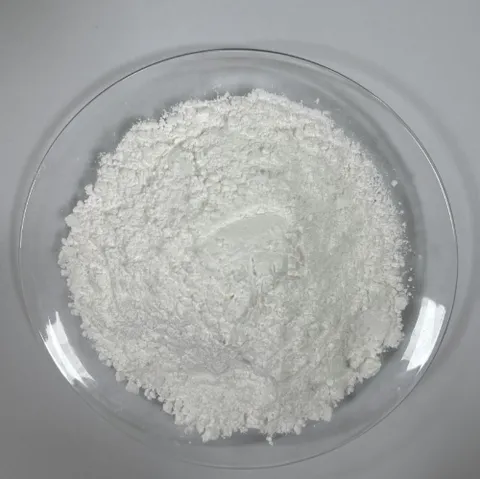
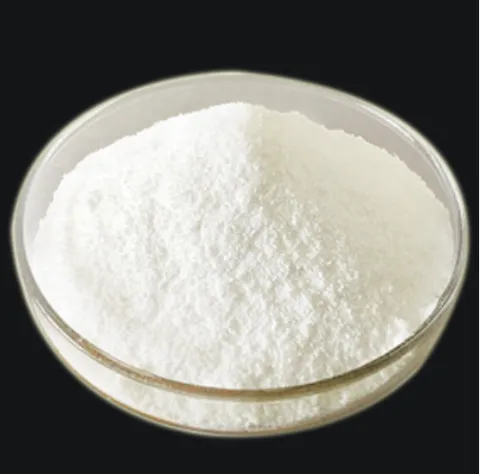
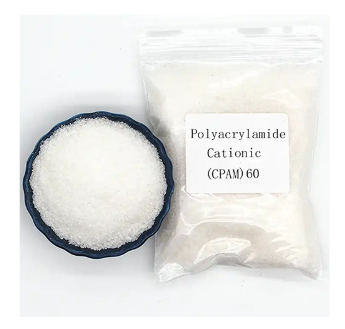
Cationic polyacrylamide (CPAM) is a high-molecular organic flocculant, the cationic type of polyacrylamide series. It is generally white granules or powder, easily soluble in water and insoluble in most organic solvents. This product is specially developed for sludge dewatering in municipal wastewater treatment. With cationic groups on its molecular chain, it can capture colloidal sludge particles through charge neutralization and adsorption bridging. It neutralizes the negative charge on the sludge surface and prompts fine sludge particles to agglomerate rapidly into large and dense flocs for efficient mud-water separation. It serves as a key auxiliary agent for the filter pressing and dewatering process of municipal sludge. A wide range of charge densities are available to adapt to municipal biochemical sludge with different sources and moisture contents.
2. Product Features
The product has good water solubility and moderate dissolving speed, and its prepared aqueous solution maintains stable viscosity. Flocs form quickly with good toughness and are not easy to break. After dewatering by plate-and-frame filter press, belt filter press or centrifuge, the moisture content of sludge cake is low and the dewatering efficiency is outstanding. It requires low dosage and helps control the overall chemical cost. It can adapt to water quality fluctuations of municipal sludge and has strong resistance to impact. Compared with inorganic flocculants, it barely increases sludge output and will not add extra burden to sludge disposal. It features good stability and long shelf life, with low residue and little adverse impact on the effluent quality, matching the sludge reduction and harmless treatment processes.
3. Scope of Application
It is mainly used for biochemical sludge dewatering in municipal wastewater treatment plants, suitable for excess activated sludge from domestic sewage. It can also be applied to organic sludge dewatering in chemical, printing and dyeing, food and other industries. Meanwhile, it can assist in the settlement and turbidity removal of suspended solids in municipal sewage and solid-liquid separation of partial phosphorus-containing wastewater. In the sludge dewatering section, it works with filter equipment to reduce the water content of sludge cake, facilitating subsequent transportation, composting, incineration and other resource disposal of sludge.
4. Notes
Seal and store in a cool, dry and ventilated place, away from moisture and direct sunlight to prevent caking. Do not store together with anionic polyacrylamide and strong oxidants. Prepare the solution with normal-temperature clean water. Avoid excessive stirring and use the prepared solution promptly instead of long-term storage. Lab tests with sludge samples are required before dosing to select the proper charge density and dosage. Wear dust masks and protective gloves during operation to prevent dust from irritating eyes and respiratory tract. As a high-molecular auxiliary agent, it shall not be discharged directly. Dispose of waste materials in accordance with relevant solid waste regulations.
We deeply cultivate the agricultural input industry internet and empower the global agricultural input value chain. We connect hundreds of high-quality agricultural input manufacturers (seeds, pesticides, chemical fertilizers, agricultural machinery, etc.) with global distributors and large-scale growers. Through a digital platform, we drive transparent transactions, efficient circulation, and precise services. Whether you are looking for advantageous products, expanding sales channels, optimizing procurement decisions, or improving planting efficiency, FDD-Global is your trustworthy agricultural input industry internet partner.