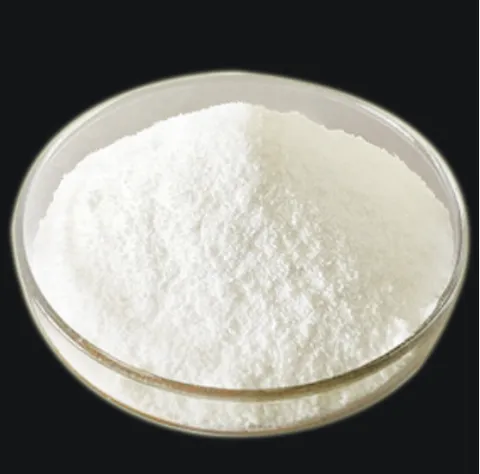
Diammonium Phosphate (DAP)
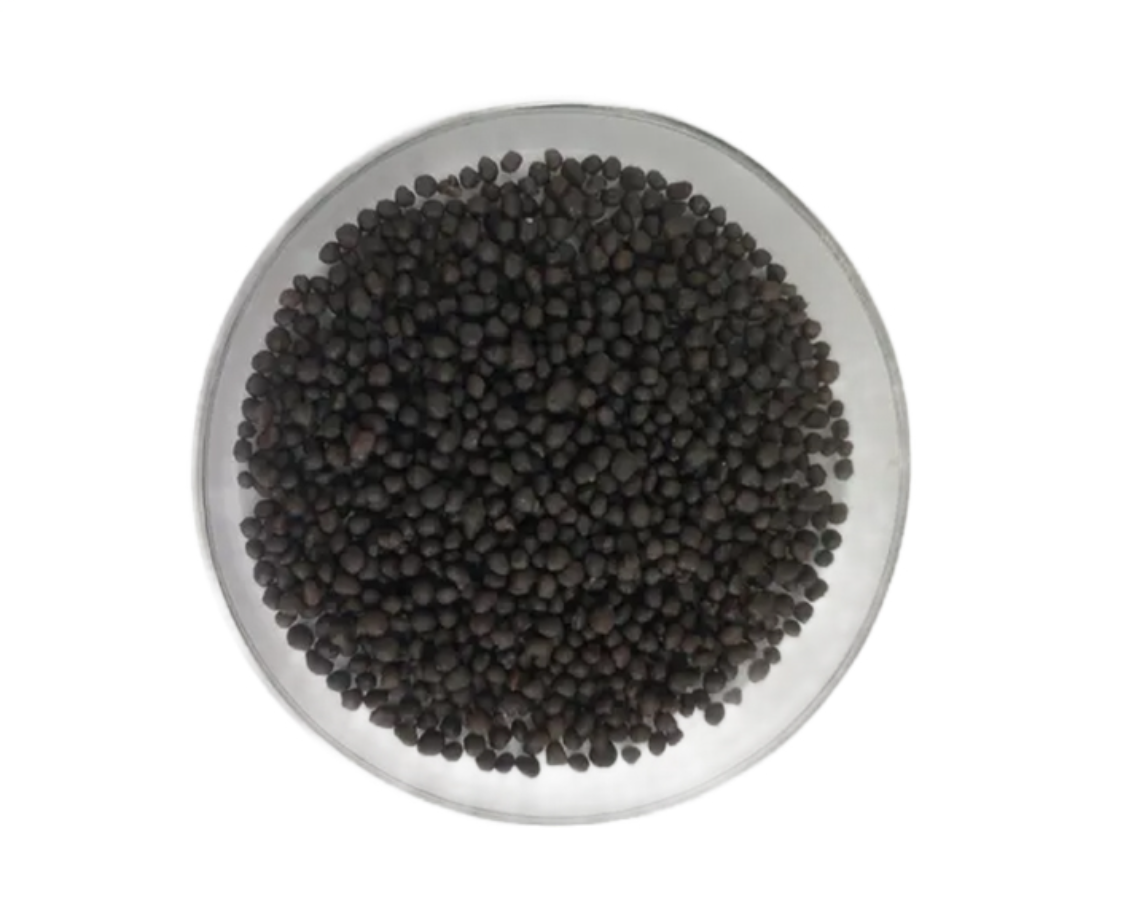
Diammonium Phosphate (DAP), with the chemical formula (NH₄)₂HPO₄, is one of the most widely used high concentration nitrogen phosphorus compound fertilizers in agriculture. Manufactured in strict compliance with national standards, it features balanced nutrient ratio, excellent water solubility and long lasting stable fertilizer efficiency. Boasting favorable physicochemical properties and high adaptability, it serves as a core basic fertilizer for grain and cash crop cultivation. It is also a premium raw material for compound fertilizers and BB fertilizers, holding a vital position in the global agricultural fertilization system.
1. Core Product Features
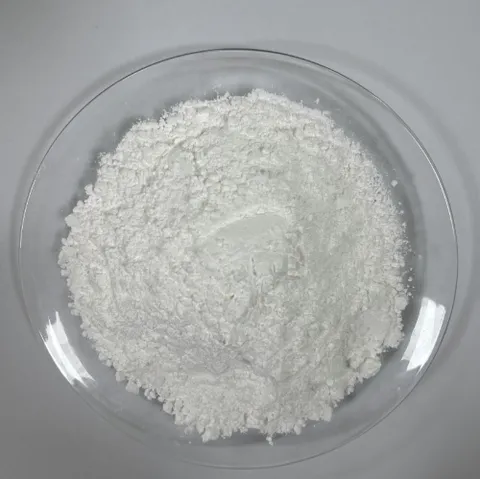
DAP has standard nutrient contents of 18% nitrogen and 46% phosphorus pentoxide, with total available nutrients up to 64%. It delivers high nutrient purity with low impurity content. The product appears as white or light grey crystalline granules. Thanks to its outstanding water solubility, it dissolves rapidly in soil moisture for direct uptake by crop roots. Its aqueous solution is weakly alkaline, compatible with most soil types. It has stable physical properties and is resistant to caking, facilitating convenient transportation, storage and application. In addition, it features strong compatibility and can be blended with common fertilizers such as urea and ammonium nitrate without antagonistic reactions, suiting large scale and standardized agricultural fertilization operations.
2. Agricultural Application Scope
DAP enjoys broad adaptability for various soil types and most crop varieties. For soils, it is applicable to red soil, black soil, brown soil, fluvo aquic soil and other common soils. It performs particularly well in arid and low rainfall regions including Northwest, North and Northeast China with effective nutrient retention and supply. For crops, it is widely applied to grain crops such as wheat, corn, rice and sorghum, as well as cash crops including cotton, fruits, vegetables, oil‑bearing crops and seedlings. Frequently used as base fertilizer or seed fertilizer during sowing and transplanting, it effectively boosts root development and seedling growth, supports flower bud differentiation, lays a solid foundation for yield increase and greatly improves crop yield and quality.
3. Application and Storage Precautions
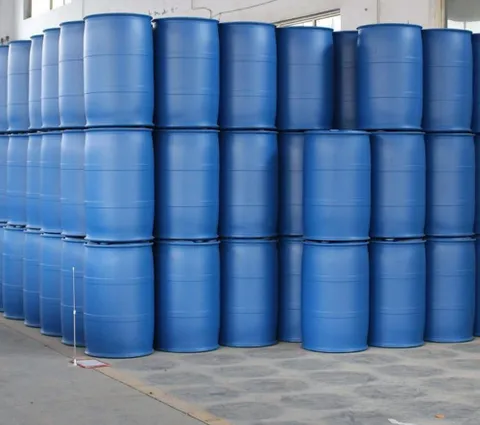
First, follow standard fertilization practices. Maintain a 7-10 cm distance between seed fertilizer and seeds to avoid burning seeds and seedlings by high concentration nutrients. Early application and deep placement with soil covering are preferred to reduce nutrient volatilization and loss. Second, do not mix it with strongly acidic or strongly alkaline fertilizers, so as to prevent chemical reactions that deactivate nutrients. Third, store in cool, dry, well ventilated and shaded conditions, away from heat sources and water sources to prevent moisture and caking. Do not store together with toxic or corrosive materials. Proper storage at ambient temperature can preserve its fertilizer efficiency stably for 1-2 years.
We have built a global industrial internet platform for agricultural inputs, rigorously selecting and connecting hundreds of reliable suppliers with massive procurement demands. Committed to breaking down information barriers, optimizing supply chain efficiency, cutting transaction costs and empowering scientific farming. Whether you are an agrochemical manufacturer, distributor or large scale farm operator, FDD-Global is your trusted platform to seize business opportunities and achieve cost reduction, efficiency improvement and revenue growth.