
Dicalcium Pyrophosphate
5782
March 25, 2025, 10:00 AM
Guide
Highlights at a glance
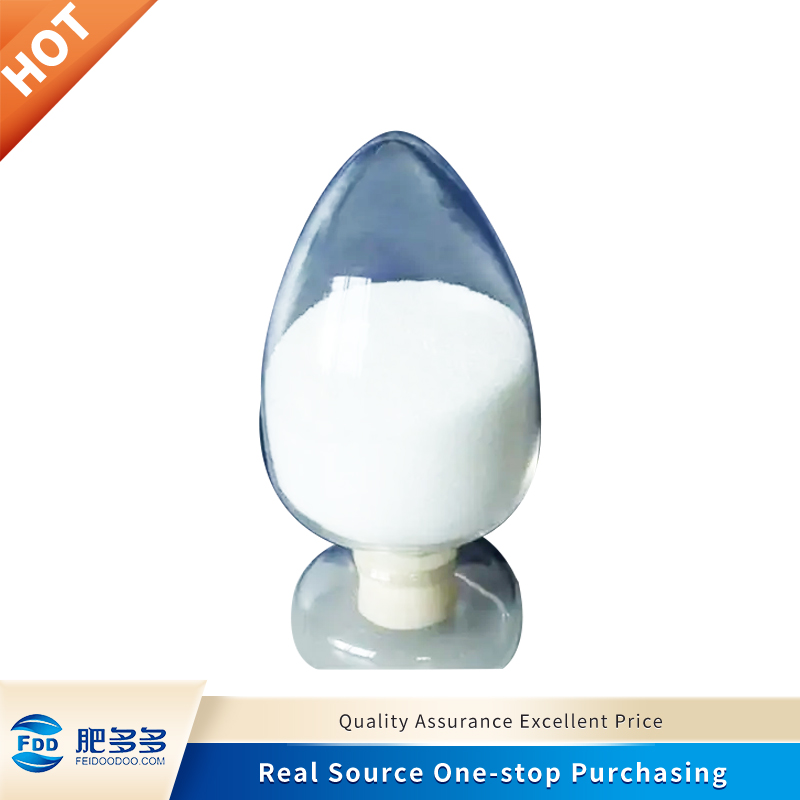
Calcium pyrophosphate (Ca₂P₂O₇) is a highly stable, low-solubility mineral compound widely used in animal feed, food, and pharmaceuticals. With a molecular weight of 254.1 g/mol, it appears as an odorless, tasteless white powder or granule, exhibiting excellent thermal stability (melting point ~1230°C) and flowability. Its key physicochemical traits include low water solubility (0.0098 g/100 mL at 25°C), enhanced solubility in acidic environments, and resistance to caking, making it ideal for high-temperature feed processing. The compound provides a near-optimal calcium-to-phosphorus ratio (~1.4:1) and offers moderate bioavailability (50–65%), bridging the gap between tricalcium and monocalcium phosphates. It supports sustained nutrient release in the digestive tract, minimizing metabolic imbalances. Primary applications span ruminant, poultry, swine, and specialty animal feeds, where it enhances bone health, production performance, and reproductive outcomes. In humans, it serves as a food additive (E450), calcium fortifier, and pharmaceutical excipient. Critical efficacy factors include raw material purity, particle size (75–150 μm), animal physiology, and dietary interactions with vitamin D or phytate. Environmentally, it degrades into natural ions, supporting sustainable agriculture when paired with phytase or manure recovery systems. Economically, it delivers a 1:2.5–1:4 ROI by improving feed efficiency and reducing skeletal disorders. Global production (2.0–2.5 Mt/year) centers on China, the U.S., and Europe, driven by demand for precision nutrition and eco-friendly feed solutions.

1.Product Characteristics
1.1 Basic Properties and Physicochemical Characteristics
Chemical Name: Calcium Pyrophosphate, Dicalcium Pyrophosphate
Molecular Formula: Ca₂P₂O₇
Molecular Weight : 254.1g/mol
Physical State:
-
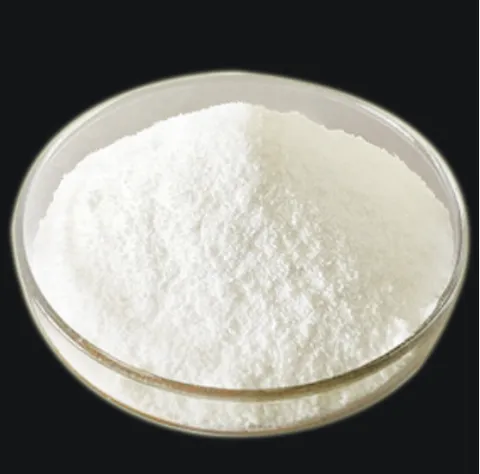
White amorphous or crystalline poweder
-
Odorless and tasteless
-
Commerical grades typically available as fine poweder or granules
Solubility:
-
Very low solubility in water (approximately 0.0098g/100ml at 25°C )
-
Increased solubility in acidic solutions, particularly in gastric acid environment
-
Extremely low solubility in alkaline conditions
-
Practically insoluble in organic solvents
Stability:
-
Good Chemical stability, stable under normal temperature and pressure.
-
Good heat resistance, melting point approximately 1230°C
-
May slowly hydrolyze in prolonged moist environments.
-
Reacts with strong acids to form orthophosphates
Structural Features:
-
Pyrophosphate structure containing P-O-P bonds
-
Tight crystal structure with density approximately 3.09 g/cm³
-
Typical feed-grade products contain approximately 29-31% calcium and 20-22% phosphorus
1.2 Performance Characteristics
Moderate Bioavailablity
-
Phosphorus bioavailablity ranges from 50-65%, higher than tricalcium phosphate but lower than monocalcium phosphate.
Slow-Release Properties
-
Slow release in animal digestive tract, providing sustained nutrient supply.
Ideal Calcium-to-Phosphorus Ratio
-
Calcium-to-phosphorus ratio of approximately 1.4:1, close to the requirement ratio of these two minerals for many animals.
Low Acidity
-
Less impact on feed and animal digestive tract acid-base balance compared to monocalcium phosphate.
Good Thermal Stability
-
Remains stable during feed processing, suitable for high-temperature pelleting and extrusion processes.
Excellent Flowability
-
Good powder flow properties, resistant to caking, facilitating feed mixing, and processing.
Strong Stability
-
Resistant to moisture absorption, long shelf life, can be stored for more than 2 years under normal conditions.
Environmental Compatibility
-
Degrades in the environment to naturally occurring phosphates and calcium ions, relatively low environmental impact.
2.Main Applications
2.1 Feed Applications
2.1a Ruminant Feed
-
Used as a primary phosphorus source in dairy cattle feed, typically added at 0.3-1.0%.
-
Added at 0.2-0.8% in beef cattle fattening feed to promote skeletal development and weight gain.
-
Used to provide phosphorus and calcium nutrition in sheep feed, typically added at 0.5-0.7%.
2.1b Poultry Feed
-
Used in laying hen feed to maintain calcium-phosphorus balance during egg production, added at 0.8-1.5%.
-
Added at 0.5-1.0% in broiler finisher feed to reduce leg problems.
-
Added at 0.8-1.2% in breeder poultry feed to improve reproductive performance and eggshell quality.
2.1c Swine Feed
-
Added at 0.5-1.0% in gestating sow feed to meet fetal development and meternal requirements.
-
Added at 0.3-0.8% in growing-finishing pig feed to promote skeletal and muscle development.
-
Added at 0.6-1.0% in post-weaning piglet feed to support rapid growth phase requirements.
2.1d Specialty Animal Feed
-
Used as a calcium-phosphorus supplement in horse feed, added at 0.3-0.5%.
-
Used for skeletal health in pet food, added at 0.2-0.5%.
-
Used to provide standardized nutrition levels in laboratory animal feed.
2.2 Other Applicataions
2.2a Food Industry
-
Used as food additive E450 (food grade) as a leavening agent and buffer.
-
Used as a calcium fortifier in dairy products.
-
Mineral source in certain specialty nutritional foods.
2.2b Pharmaceutical Industry
-
Used in certain calcium supplements and mineral supplements.
-
Used as a filler in dental material preparation.
-
Component of specific medical ceramic materials.
2.2c Industrial Uses
-
Used as an additive in certain ceramic and glass products.
-
Ingredients in special coatings and pigments.
-
Used as a catalyst component in some industrial catalytic processes.
3.Critical Factors
3.1 Factors Affecting Efficacy
3.1a Raw Material Quality
-
Purity and heavy metal content (particularly cadmium, lead, arsenic, fluorine) directly affect safety.
-
Particle size distribution affects dissolution rate and bioavailability, optimal median particle size is 75-150 microns.
-
Manufacturing process affects crystal structure and dissolution characteristics.
3.1b Animal factors
-
Animal species and physiological stage
Different animals have different phosphorus requirements and absorption capacities.
-
Age
Young animals typically require higher proportions of soluble phosphorus.
-
Health Status
Certain digestive tract diseases may reduce phosphorus absorptio
3.1c Feed Formulation Factors
-
Total calcium and phosphorus levels and ratios
Too high or too low calcium-to-phosphorus ratios affect absorption.
-
Vitamin D levels
Vitamin D deficiency limits phosphorus absorption and utilization.
-
Other mineral interactions
High zinc, iron, or aluminum may interfere with phosphorus absorption.
3.1d Environmental Condition
-
Temperature Stress
High or low temperature environments may affect animal phosphorus requirements and metabolism.
-
Stocking density
Influences feed intake and growth rate.
-
Water Quality
High content of certain minerals in water may affect phosphorus absorption.
3.2 Management Considerations
3.2a Precision Feeding
-
Adjust addition rates according to animal growth stages, avoiding excess or deficiency.
-
Regularly monitor serum phosphorus levels or bone density to assess phosphorus nutritional status.
-
Consider phytate phosphorus content in feed, rationally supplement inorganic phosphorus.
3.2b Environmental Considerations
-
Rational use to reduce environmental phosphorus discharge.
-
Combined use with phytase can reduce addition rates and excretion.
-
Manure management systems should consider phosphorus recovery and utilization.
3.2c Safe Handling
-
Avoid generating excessive dust during handling, use dust extraction equipment when necessary.
-
Use dust masks when handling large quantities.
-
Avoid storage with incompatible substances (such as strong acides).
3.2d Quality Assurance
-
Regular testing of heavy metal content and effective component content.
-
Store in dry environments to avoid moisture and caking.
-
Follow first-in-first-out principles for inventory management.
4.Industry Benefits
4.1 Animal Production Benefits
4.1a Skeletal Development and Health
-
Improves bone mineralization in growing animals, increasing bone density by 10-15%.
-
Reduces fracture incidence in laying hens by 20-30%.
-
Reduces lameness and joint problems in pigs by 15-25%.
4.1b Production Performance Enhancement
-
Increase daily milk yield in dairy cows by 2-5%, milk protein content by 0.1-0.2 percentage points.
-
Improves daily weight gain in beef cattle by 3-8%, feed conversion ratio by 2-4%.
-
Increase egg production rate in laying hens by 2-6%, eggshell strength by 8-12%.
4.1c Reproductive Performance Improvement
-
Improves conception rates in female animals by 4-7 percentage points
-
Increase litter size by 0.2-0.5 piglets/litter
-
Enhances semen quality and fertilization capacity
4.1d Health and Immune Benefits
-
Enhances mineral nutritional status, improving immune system function.
-
Reduces metabolic disease (such as hypocalcemia) incidence by 10-20%
-
Extends productive life and utilization years
4.2 Economic and Environmental Benefits
4.2a Economic Benefits Analysis
-
Return on investment ratio of 1:2.5-1:4, varying by animal species and production system.
-
Reduces skeletal disease-related losses, saving veterinary costs of $15-30 per dairy cow annually.
-
Extends animal productive life, reducing replacement costs.
4.2b Resource Utilization Efficiency
-
Improves phosphorus utilization efficiency in feed by 8-15%.
-
Reduces overall phosphorus resource consumption, decreasing dependence on non-renewable phosphate rock resources.
-
Indirectly conserves other feed resrouces by improving feed conversion ratio.
4.2c Environmental Sustainability
-
Can reduce phosphorus discharge by 10-20% compared to traditional phosphorus sources.
-
Further reduces environmental burden when combined with other nutritional strategies (such as phase feeding, phytase).
-
Supports agricultural circular economy development, with phosphorus in manure recoverable as crop fertilizer.
5.Industry Chain Analysis
5.1 Upstream Industry
5.1a Raw Material Sources
-
Phosphate rock
Global reserves concentrated in Morocco, China, United States, Russia, etc.
-
Calcium Sources
Mainly from limestone, dolomite, and other minerals.
-
Production processes require chemicals such as sulfuric acid or hydrochloric acid.
5.1b Production Technology
-
Chemical Synthesis Method
Reaction of phosphoric acid with calcium salts (such as calcium hydroxide) under controlled pH and temperature conditions.
-
Chemical Processing Method
Dehydration of orthophosphate calcium at high temperatures to form pyrophosphate.
-
Precipitation Method
Controlling precipitation of calcium pyrophosphate through ion exchange reactions in solution.
5.1c Market Structure
-
Global production capacity approximately 2.0-2.5 million tons/year
-
Major producing countries: China, United States, Germany, Russia, India, etc.
-
Major enterprises: ICL Group, PotashCrop, Mosaic, Yunnan Yuntianhua, Guizhou Phosphate, etc.
5.2 Downstream Applications
5.2a Feed Industry Demand
-
Accounts for 65-75% of total calcium pyrophosphate production.
-
Primarily used in ruminant and poultry feed, followed by swine feed.
-
Rapidly growing demand in high-end pet food market.
5.2b Market Trends
-
Price Trend
Significantly affected by raw material costs and energy prices, fluctuation range of ±20% over the past five years.
-
Quality requirements
Environmental regulations driving increasingly stringent heavy metal content standards.
-
Product Innovation
Continuous development of micronization, coating, and slow-release technologies to improve bioavailability.
5.2c Regional Market Characterisitcs
-
North American Market
Highly focused on product quality and environmental impact, emphasizing precision nutrition.
-
European Market
Strict regulations, pursuit of sustainable and organic production.
-
Asia-Pacific
Fastest growing demand, high price sensitivity, diversified applications.
-
Emerging Markets
Latin America and Africa have great demand growth potential, but quality standards vary widely.
5.2d Competitive Landscape
-
Competitive and complementary relationship with other phosphorus source products (such as monocalcium phosphate, dicalcium phosphate).
-
Biological feed phosphates and organic phosphorus sources gradually emerging, occupying specific market segments.
-
Enterprise competitives strategies shifting from pure price competition to product differentiation and value-added services.
More Sourcing News
77667
July 4, 2025

73940
July 10, 2025
71856
July 10, 2025
64675
July 4, 2025
61906
July 10, 2025