
Ferric Chloride
6273
May 8, 2025, 10:00 AM
Guide
Highlights at a glance
Ferric chloride (FeCl₃) is a versatile inorganic compound with wide industrial applications, primarily as a coagulant in water and wastewater treatment. It exists in anhydrous and hexahydrate forms, both highly soluble in water and prone to hydrolysis, forming acidic solutions and insoluble ferric hydroxide flocs. Anhydrous FeCl₃ acts as a Lewis acid catalyst in organic synthesis, while its oxidizing properties make it valuable in PCB etching. Major production methods include direct chlorination of iron, oxidation of ferrous chloride (from steel pickling), and recovery as a by-product in titanium dioxide manufacturing. The global market is driven by water treatment demand, supported by regional chemical and steel industries. Key challenges include sludge management and chloride accumulation, with ongoing trends toward sustainable sourcing, process efficiency, and circular economy practices such as recycling spent pickle liquor and etchant regeneration.
1.Physical and Chemical Properties
1.1 Fundamental Properties
-
Molecular Characteristics:
-
Chemical formula: FeCl₃
-
Molecular weight: 162.20 g/mol (anhydrous); 270.30 g/mol (hexahydrate, FeCl₃·6H₂O)
-
Structure: Anhydrous FeCl₃ has a polymeric structure (BiI₃ type) with octahedral Fe(III) centers. In the gas phase at high temperatures, it can exist as monomeric FeCl₃ (trigonal planar) or dimeric Fe₂Cl₆ (two Fe sharing two Cl atoms). The common hexahydrate is [Fe(H₂O)₄Cl₂]Cl·2H₂O.
-
Melting point:
-
Anhydrous: ~307.6°C (decomposes before boiling under atmospheric pressure)
-
Hexahydrate: ~37°C
-
-
Boiling point: ~316°C (sublimes, anhydrous)
-
-
Solubility and Solution Properties:
-
Water solubility: Highly soluble in water.
-
Anhydrous: ~92 g/100 mL at 20°C. Dissolution is highly exothermic.
-
Hexahydrate: Also very soluble.
-
-
Solution characteristics: Aqueous solutions are strongly acidic due to hydrolysis of the Fe³⁺ ion:
Fe³⁺(aq) + 3H₂O(l) ⇌ Fe(OH)₃(s) + 3H⁺(aq)Or more accurately, formation of various aquo/hydroxo complexes like[Fe(H₂O)₆]³⁺,[Fe(OH)(H₂O)₅]²⁺, etc. Solutions are typically brown/yellow. -
Solubility in other solvents: Soluble in ethanol, methanol, acetone, diethyl ether, and other organic solvents, often forming solvates.
-
-
Physical Appearance and Forms:
-
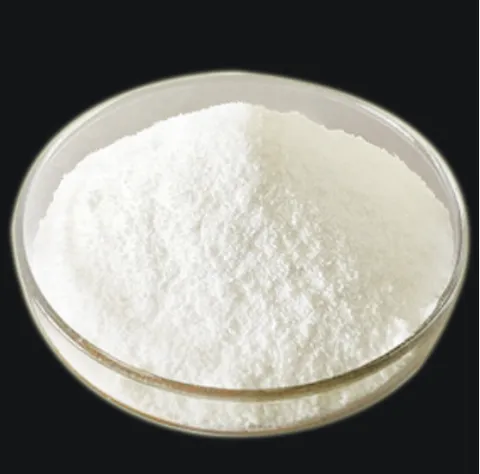
Anhydrous FeCl₃: Dark green to black crystals or crystalline powder. It is very hygroscopic and deliquescent, readily absorbing moisture from the air to form the hexahydrate.
-
FeCl₃·6H₂O (Hexahydrate): Yellow-orange to brownish solid crystals or lumps. This is the most common commercial form.
-
Solutions: Typically sold as aqueous solutions (e.g., 35-45% w/w FeCl₃), which are dark brown, viscous liquids.
-
1.2 Chemical Reactivity
-
Hydrolysis:
-
As mentioned, readily hydrolyzes in water to form acidic solutions and eventually precipitates ferric hydroxide (Fe(OH)₃) or hydrated iron oxides, especially upon dilution or increase in pH. This property is key to its use as a flocculant.
-
-
Lewis Acidity:
-
Anhydrous FeCl₃ is a moderately strong Lewis acid. It readily accepts electron pairs from Lewis bases, forming adducts.
-
Used as a catalyst in various organic reactions (e.g., Friedel-Crafts alkylation and acylation, chlorination of aromatics).
-
-
Redox Reactions:
-
Fe³⁺ is an oxidizing agent. It can be reduced to Fe²⁺ (ferrous iron).
Fe³⁺ + e⁻ → Fe²⁺(Standard reduction potential E⁰ = +0.77 V) -
Example: Oxidizes copper metal (used in etching PCBs):
2FeCl₃(aq) + Cu(s) → 2FeCl₂(aq) + CuCl₂(aq) -
Can be oxidized further under very strong oxidizing conditions, but Fe(III) is the common stable oxidation state in most environments.
-
-
Complexation:
-
Fe³⁺ forms various complexes with ligands such as chloride, thiocyanate (giving a blood-red color, used in qualitative tests), citrate, oxalate, etc.
-
1.3 Analytical Characterization
-
Qualitative Tests for Fe³⁺:
-
Addition of potassium thiocyanate (KSCN) solution gives a characteristic blood-red color due to the formation of
[Fe(SCN)(H₂O)₅]²⁺and related complexes. -
Addition of potassium hexacyanoferrate(II) (K₄[Fe(CN)₆]) solution gives a dark blue precipitate (Prussian blue).
-
Addition of alkali (e.g., NaOH) gives a reddish-brown precipitate of Fe(OH)₃.
-
-
Quantitative Analysis:
-
Iron content: Typically determined by redox titration (e.g., with potassium dichromate or potassium permanganate after reduction of Fe³⁺ to Fe²⁺), atomic absorption spectroscopy (AAS), or inductively coupled plasma optical emission spectrometry (ICP-OES).
-
Chloride content: Determined by argentometric titration (e.g., Volhard method) or ion chromatography.
-
Acidity/Basicity: Free acid or base content in solutions can be titrated.
-
-
Identification Methods:
-
UV-Vis Spectroscopy: Aqueous solutions show characteristic absorption bands.
-
Melting/Boiling point: For anhydrous and hydrated forms.
-
XRD: For crystalline forms to confirm structure and phase purity.
-
2.Production Technologies
2.1 Direct Chlorination of Iron
-
Reaction Principle:
-
Direct reaction of metallic iron (scrap iron, steel, or sponge iron) with dry chlorine gas (Cl₂) at elevated temperatures.
2Fe(s) + 3Cl₂(g) → 2FeCl₃(s)(or molten, depending on temperature)
-
-
Process Conditions:
-
Temperature: Typically 350-700°C.
-
Reactor type: Often a packed bed or shaft furnace where chlorine gas passes over the iron.
-
Exothermic reaction: Heat removal is important.
-
Product collection: Molten FeCl₃ can be tapped, or gaseous FeCl₃ can be condensed.
-
-
Raw Materials:
-
Iron: High-purity iron scrap or direct reduced iron is preferred to minimize impurities.
-
Chlorine: Dry chlorine gas, typically sourced from chlor-alkali plants.
-
-
Purity:
-
This method can produce high-purity anhydrous FeCl₃ if pure feedstocks are used.
-
2.2 Chlorination of Iron Ores(Less Common for direct FeCl₃)
-
Concept:
-
Iron-containing ores (e.g., hematite Fe₂O₃, magnetite Fe₃O₄) can be chlorinated, often in the presence of a reducing agent like carbon (carbochlorination).
Fe₂O₃(s) + 3Cl₂(g) + 3C(s) → 2FeCl₃(g or l) + 3CO(g)
-
-
Challenges:
-
Requires higher temperatures than direct chlorination of iron.
-
Separation from other chlorinated metal impurities present in the ore (e.g., AlCl₃, SiCl₄) can be complex and costly.
-
More relevant for extractive metallurgy of other metals where FeCl₃ might be an intermediate or by-product (e.g., some titanium pigment processes).
-
2.3 Oxidation of Ferrous Chloride (FeCl₂)
-
Reaction Principle:
-
Ferrous chloride (FeCl₂) solutions can be oxidized to ferric chloride (FeCl₃) using chlorine gas or other oxidizing agents.
2FeCl₂(aq) + Cl₂(g) → 2FeCl₃(aq)
-
-
Source of FeCl₂:
-
By-product from steel pickling operations (where steel is treated with HCl to remove surface oxides).
-
Dissolution of iron in hydrochloric acid.
-
-
Process:
-
Chlorine gas is bubbled through the FeCl₂ solution. This is a common method for producing FeCl₃ solutions.
-
-
Advantages:
-
Utilizes by-product FeCl₂; produces FeCl₃ in solution form directly suitable for water treatment.
-
2.4 By-product from Titanium Dioxide Production (Chloride Process)
-
Context:
-
In the chloride process for TiO₂ production, ilmenite (FeTiO₃) or rutile (TiO₂) ores are chlorinated at high temperatures. Iron in the ore (especially ilmenite) is also chlorinated to FeCl₃.
2FeTiO₃(s) + 7Cl₂(g) + 6C(s) → 2TiCl₄(g) + 2FeCl₃(g) + 6CO(g)(simplified)
-
-
Separation:
-
TiCl₄ is the primary product. FeCl₃ is condensed and separated.
-
-
Market Form:
-
This "co-product" FeCl₃ is often sold as a solution for water treatment. Its quality and impurity profile depend on the ore and process conditions.
-
-
Significance:
-
A major source of commercial FeCl₃, particularly in regions with significant TiO₂ production via the chloride route.
-
3.Applications
3.1 Water and Wastewater Treatment
Coagulant and Flocculant:
-
This is the largest application for ferric chloride.
-
Mechanism:
-
When added to water, FeCl₃ hydrolyzes to form insoluble ferric hydroxide (Fe(OH)₃) flocs. These flocs adsorb suspended solids, colloids, bacteria, and other pollutants. The Fe³⁺ ions also neutralize the charge on colloidal particles, causing them to destabilize and aggregate.
-
-
Applications:
-
Drinking water purification: Removal of turbidity, color, algae, and some heavy metals.
-
Wastewater treatment (municipal and industrial): Removal of suspended solids, phosphorus (by precipitation as ferric phosphate FePO₄), BOD/COD reduction, sludge dewatering.
-
-
Advantages:
-
Effective over a wide pH range (though optimal pH exists), forms dense flocs that settle well, good for color removal.
-
-
Disadvantages:
-
Increases chloride content in treated water, can lower pH (requiring adjustment), produces iron-containing sludge
-
3.2 Electronics and Metal Finishing
-
Etchant for Printed Circuit Boards (PCBs):
-
Reaction: Used to etch copper from PCBs in the subtractive manufacturing process.
2FeCl₃(aq) + Cu(s) → 2FeCl₂(aq) + CuCl₂(aq) -
Process: The PCB with a patterned resist is immersed in or sprayed with FeCl₃ solution. The exposed copper is dissolved, leaving the desired circuit pattern.
-
Regeneration: The spent etchant (containing FeCl₂ and CuCl₂) can be regenerated to some extent or treated for metal recovery.
-
Competition: Faces competition from other etchants like cupric chloride (CuCl₂) and alkaline etchants.
-
-
Metal Surface Treatment:
-
Used in engraving, photoengraving, and preparing metal surfaces for painting or plating.
-
Can be used for decorative etching on steel and other metals.
-
3.3 Catalyst in Organic Synthesis
-
Lewis Acid Catalyst:
-
Anhydrous FeCl₃ is used as a catalyst in various organic reactions, including:
-
Friedel-Crafts alkylation and acylation of aromatic compounds.
-
Chlorination of aromatic compounds (e.g., production of chlorobenzene).
-
Polymerization reactions.
-
Isomerization and cracking reactions.
-
-
-
Advantages:
-
Relatively inexpensive, effective, and readily available.
-
-
Limitations:
-
Moisture sensitive (anhydrous form), can be corrosive, waste disposal of iron residues.
-
3.4 Other Applications
-
Pigment Production:
-
Precursor for iron oxide pigments (e.g., brown, red, yellow, black). Fe(OH)₃ formed from FeCl₃ hydrolysis can be calcined to produce various iron oxide pigments.
-
-
Pharmaceuticals and Veterinary Medicine:
-
Astringent: Used topically as an astringent and styptic (to stop bleeding from minor cuts).
-
Feed additive: Source of iron in animal feeds, though other iron sources like ferrous sulfate are more common.
-
Treatment of iron deficiency anemia (less common now due to side effects compared to other iron preparations).
-
-
Laboratory Reagent:
-
Used in various analytical tests (e.g., detection of phenols, thiocyanates).
-
As an oxidizing agent in specific reactions.
-
-
Odor Control:
-
Can react with hydrogen sulfide (H₂S) to reduce odors in wastewater treatment plants or industrial settings.
2FeCl₃(aq) + 3H₂S(g) → Fe₂S₃(s) + 6HCl(aq)(or forms iron(II) sulfide if H₂S is in excess)
-
4.Market Analysis
4.1 Global Production and Consumption
-
Production Scale:
-
Significant global production, driven primarily by its use in water treatment. Estimates vary, but it's in the millions of tons per year (often reported as solution basis).
-
-
Major Producing Regions:
-
Regions with large chemical industries, steel industries (for by-product FeCl₂ feedstock), and TiO₂ production (chloride route). North America, Europe, and East Asia (especially China) are major producers and consumers.
-
-
Consumption Pattern:
-
Dominant Sector: Water and wastewater treatment accounts for the vast majority of consumption (>70-80%).
-
Other Uses: Electronics (etching), chemical synthesis, pigments, etc., make up the rest.
-
Growth Drivers: Increasing global emphasis on water quality, stricter environmental regulations for wastewater discharge, industrial growth.
-
4.2 Price Dynamics and Economics
-
Price Influencers:
-
Raw material costs: Price of iron (scrap), chlorine, and hydrochloric acid.
-
Energy costs: Impact production, especially for anhydrous FeCl₃.
-
Co-product economics: If sourced as a by-product from steel pickling or TiO₂ production, the economics of the main product (steel, TiO₂) can influence FeCl₃ availability and price.
-
Supply/Demand Balance: Regional supply and demand significantly affect prices.
-
Transportation costs: Solutions are heavy due to water content, making transportation a significant cost factor. Local production is often favored.
-
Grade/Purity: Anhydrous and high-purity grades command higher prices than standard solutions for water treatment.
-
-
Manufacturing Cost Structure:
-
Dependent on the production route.
-
Direct chlorination: Iron and chlorine costs are major components.
-
From FeCl₂: Cost of FeCl₂ (or HCl and iron) and chlorine.
-
TiO₂ by-product: Cost allocation can be complex.
-
-
Competitive Landscape:
-
Competes with other coagulants in water treatment, such as aluminum sulfate (alum), polyaluminum chloride (PAC), ferric sulfate, and organic polymers. Choice depends on water quality, cost, performance, and local regulations.
-
In electronics etching, alternatives exist.
-
4.3 Future Trends and Develpoments
-
Water Treatment Sector:
-
Continued growth expected due to increasing water scarcity and stricter regulations.
-
Development of higher-performance or specialized ferric chloride products (e.g., pre-polymerized forms, blends).
-
Focus on sludge reduction and management.
-
-
Raw Material Sourcing:
-
Increased utilization of by-product streams (e.g., spent pickle liquor) for sustainable production.
-
Fluctuations in chlorine and iron/steel scrap markets will continue to impact costs.
-
-
Technological Advancements:
-
More efficient production processes.
-
Potential for improved regeneration of spent etchants in the electronics industry.
-
-
Environmental Considerations:
-
Management of chloride levels in discharged water.
-
Minimizing iron sludge from water treatment.
-
Competition from "greener" coagulants or treatment technologies.
-
5.Upstream and Downstream Linkages
5.1 Key Raw Material Inpust
-
Iron Source:
-
Scrap iron/steel: For direct chlorination or dissolution in HCl to make FeCl₂. Quality of scrap affects purity of FeCl₃.
-
Iron ores (e.g., ilmenite for TiO₂ process): Source of iron for co-product FeCl₃.
-
Sponge iron/Direct Reduced Iron (DRI): High-purity iron source.
-
-
Chlorine Source (Cl₂):
-
Almost exclusively from the chlor-alkali process (electrolysis of brine).
-
Availability and price are tied to the chlor-alkali market balance (which is also driven by caustic soda demand).
-
Required for direct chlorination of iron and for oxidation of FeCl₂ to FeCl₃.
-
-
Hydrochloric Acid (HCl):
-
Used to dissolve iron to produce FeCl₂ (which is then oxidized to FeCl₃).
-
Sourced as a by-product from organic chlorination processes or produced directly.
-
Steel pickling lines using HCl generate large quantities of FeCl₂ solution (spent pickle liquor).
-
5.2 Relationship to Other Chemical Industries
-
Chlor-Alkali Industry:
-
Essential supplier of chlorine. FeCl₃ production is a significant downstream market for chlorine.
-
HCl, if used, can also originate from chlorine (via direct synthesis with H₂ or as by-product).
-
-
Steel Industry:
-
Major source of scrap iron.
-
Steel pickling lines (using HCl) are a key source of ferrous chloride (FeCl₂) solutions, which can be converted to FeCl₃. This provides a route for valorizing a waste stream.
-
-
Titanium Dioxide (TiO₂) Industry:
-
The chloride process for TiO₂ production generates significant quantities of FeCl₃ as a co-product, particularly when using ilmenite ore. This links FeCl₃ supply to TiO₂ market dynamics.
-
-
Electronics Industry:
-
Consumer of FeCl₃ as an etchant. Demand is linked to PCB manufacturing volumes.
-
5.3 Downstream Products and Value Chain
-
Direct Use (Primary Application):
-
Water treatment solutions: This is the largest end-use, with FeCl₃ typically sold as a 35-45% aqueous solution.
-
Etching solutions for electronics.
-
-
Intermediate for Other Products:
-
Iron Oxide Pigments: FeCl₃ solutions can be neutralized (e.g., with alkali) to precipitate ferric hydroxide, which is then calcined to produce various grades of iron oxide pigments (Fe₂O₃, Fe₃O₄).
-
Other Iron Compounds: Can be a starting material for the synthesis of other specialized iron salts or complexes, though this is a smaller volume application.
-
-
Formulated Products:
-
Specific blends for water treatment (e.g., with polymers).
-
Catalytic preparations for organic synthesis.
-
Pharmaceutical/veterinary formulations (though often highly purified).
-
5.4 Circular Economy Aspects
-
Spent Pickle Liquor (SPL) Valorization:
-
Conversion of FeCl₂ from steel pickling (an industrial waste stream) into valuable FeCl₃ for water treatment is a prime example of industrial symbiosis and circular economy.
-
-
Etchant Regeneration:
-
Efforts to regenerate spent FeCl₃ etchant from PCB manufacturing (e.g., by re-oxidizing FeCl₂ and recovering copper) aim to reduce waste and recover valuable materials.
-
-
Sludge Management:
-
Iron-containing sludge from water treatment using FeCl₃ is a challenge. Research focuses on reducing sludge volume, recovering iron, or finding beneficial uses for the sludge (e.g., in construction materials, pigment production after processing).
-
More Sourcing News
77667
July 4, 2025
73940
July 10, 2025
71856
July 10, 2025
64675
July 4, 2025
61906
July 10, 2025