Glyphosate 30% SL
6097
March 17, 2025, 10:00 AM
Guide
Highlights at a glance
This article provides a comprehensive overview of glyphosate, a widely used broad-spectrum herbicide. It details the chemical and physical properties of glyphosate, including its molecular structure (C₃H₈NO₅P), solubility, stability, and formulation types such as 30% SL, which enhances water solubility and efficacy. The herbicide acts systemically by inhibiting EPSP synthase, disrupting amino acid synthesis in plants, leading to effective control of annual and perennial weeds without soil residual activity. Key performance features include rain-fastness, low toxicity when properly applied, and strong translocation to roots. Major applications span agriculture (e.g., transgenic crops, orchards), non-agricultural settings (e.g., railways, urban landscaping), and specialized uses like aquatic weed control. Critical factors influencing effectiveness include application timing, environmental conditions, dosage, and water quality. Resistance management and operational safety are emphasized. Glyphosate significantly boosts agricultural efficiency by reducing labor and production costs, supports conservation tillage, reduces soil erosion, and lowers carbon emissions. The industry chain highlights dependence on raw materials like yellow phosphorus and glycine, with China playing a dominant role in production. Global demand is driven largely by glyphosate-resistant transgenic crops, making it integral to modern sustainable agriculture and weed management systems.

1.Basic Properties and Physicochemical Characteristics
Chemical Name:N-(phosphonomethyl)glycine
Molecular Formula: C₃H₈NO₅P
Molecular Weight: 169.07 g/mol
-
Physical State:
-
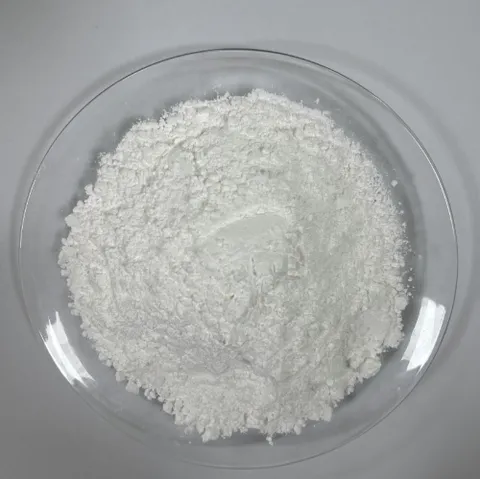
Technical Grade appears as a white crystalline powder.
-
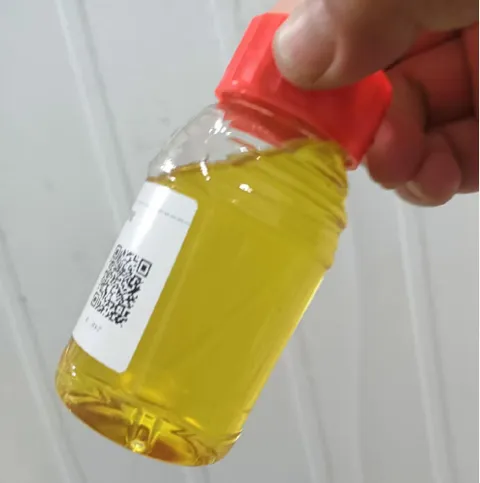
The 30% SL formulation is an amber to pale yellow liquid with a slight characteristic odor.
-
-
Solubility:
-
Technical Grade has limited water solubility(approximately 1.2% at 25°C).
-
Nearly insoluble in common organic solvents such as acetone, ethanol, xylene.
-
The 30% SL formulation is a water-soluble concentrate, completely soluble in water.
-
-
Stability:
-
Chemically stable under normal conditions.
-
Stable in pH range of 3-8, susceptible to hydrolysis under alkaline conditions.
-
Thermally stable, resistant to decomposition and volatilization.
-
1.1 Performance Characteristics
-
Broad-Spectrum efficacy: Effectively controls and perennial weeds, particularly effective against perennial root weeds such as cogongrass, bermudagrass, and amaranth species.
-
Relatively High Sately Profile: When used according to guidelines, exhibits low toxicity and minimal residue characteristics.
-
Well-Defined Mode of Action: Inhibits EPSP synthase(5-enolpyruvylshikimate-3-phosphate synthase), blocking the synthesis of aromatic amino acids(tyrosine, tryptophan,and phenylalanine), ultimately leading to plant death.
-
No Soil Residual Activity: Readily degraded by soil microorganisms, preventing long-term residual effects on subsequent crops.
-
Systemic Translocation: Absorbed Through plant foliage and translocated throughout the entire plant, including the root system, for complete weed elimination.
-
Rain-Fastness: Herbicidal efficacy is not compromised if rainfall occurs 2-6 hours after application
-
Formulation Advantages: The 30% SL formulation incorporates specialized surfactants that enhance adhesion and penetration of the spray solution on weed surfaces, improving efficacy.
-
Appropriate Concentration: The 30% active ingredient concentration ensures effective weed control while facilitating convenient dilution by agricultural operators.
2.Major Applications
2.1 Agricultural Applications
-
Field Preparation:Pre-taillage weed control.
-
Transgenic Cropping Systems: In-field weed control for glyphosate-resistant transgenic crops (such as maize, soybeans).
-
Economic Crop Protection: Weed management in orchards, tea plantations, rubber plantations.
-
Inter-row Applications: Directed spray application between crop rows.
2.2 Non-Agricultural Applications
-
Forestry Applications: Forest land and inter-forest management
-
Industrial and Infrastructure Sites: Weed control in industrial areas, railways, and highway embankments.
-
Urban Landscaping: Maintenance of urban green spaces and landscape gardens.
-
Water Management: Weed control in reservoirs and drainage channels.
2.3 Specialized Applications
-
Growth Regulations: As a plant growth regulator to accelerate maturation of specific crops.
-
Aquatic Weed Management: Control of aquatic weeds in specially approved water bodies.

Glyphosate 30% SL(KG)
$ 1.6-1.5
/L
MOQ: 1L
Product Model: 36%(W/V)
Supplier Profile
Ningbo Feidoodoo E-Commerce Co., Ltd
Established: October 10, 2019
Company Size: 500
Get Best Price
3.Critical Factors
3.1 Factors Affecting Efficacy
-
Application Timing: Optimal efficacy occurs when weeds are in active growth phase (typically at 10-25cm height).
-
Environmental Conditions: Maximum effectiveness at temperatures between 15-30°C and relative humidity above 60%.
-
Dosage Control: Application rates should be adjusted according to weed species and growth stage, generally ranging from 2.25-4.5kg/ha of active ingredient.
-
Application Technique: Uniform coverage, drift avoidance, and use of appropriate nozzles and pressure.
-
Water Quality: Spray solution performs optimally when water pH is between 4-7.
3.2 Management Considerations
-
Resistance Management: Prolonged use may lead to weed resistance, necessitating herbicide rotation strategies.
-
Safety Interval: Pre-harvest intervals of 7-14 days must be observed.
-
Environmental Protection: Avoid application to non-target plants to protect biodiversity.
-
Operational Safety: Operators should wear appropriate protective equipment.
4.Industry Benefits
4.1 Agricultural Production Advantages
-
Enhanced Agricultural Efficiency
-
Reduces manual weeding labor intensity and costs, estimated to save 30-60% of labor input.
-
Plays a crucial role in no-till or reduced tillage agriculture, preserving soil structure.
-
Lowers production costs, with research indicating a 15-40% reduction in weed control expenses.
-
Food Production Security
-
Effectively controls weed competition, with agricultural research demonstrating potential crop yield increases of 10-50%.
-
Plays a vital role in global food production, particularly when used in conjunction with glyphosate-resistant transgenic crops.
4.2 Environmental and Sustainability Impact
-
Environmental Effects
-
Presents a reduced environmental burden compared to some traditional herbicides.
-
Promotes conservation tillage practices, with studies showing a 40-90% reduction in soil erosion.
-
Reduces soil disturbance compared to mechanical weeding, protecting soil microbial diversity.
-
Carbon Emission Impact
-
Reduces mechanical operations, with research indicating a reduction of approximately 12-32kg of carbon emissions per hectare.
-
Contributes to increased soil carbon sequestration when utilized in no-till systems.
5.Industry Chain Analysis
5.1 Upstream Industry
-
Yellow Phosphorus: A critical raw material for glyphosate production, with highly concentrated production capacity (China accounts for approximately 70% of global capacity).
-
Glycine: Another important raw material.
-
Paraformaldehyde: Key intermediate.
-
Production Technology
-
Multiple synthesis routes including glycine process, iminodiacetonitrile process, and IDA process.
-
Chinese manufacturers primarily utilize the glycine process, leveraging raw material advantages.
-
Major global producers include Bayor(formerly Monsanto), Syngenta, and FMC.
5.2 Downstream Applications
-
Transgenic Cultivation
-
Global cultivation area of transgenic crops continues to expand, with ISAAA data indicating that transgenic crop planting reached 190 million bectares in 2021.
-
Glyphosate-resistant transgenic crops represent the largest application market for glyphosate.
-
Agrochemical Formulations
-
Technical grade glyphosate is processed into various herbicide formulations
-
30% SL is a common formulation suitable for diverse applications.
-
End Users
-
Farmers and agricultural enterprises.
-
Forestry, municipal, and horticultural professional users.

More Sourcing News
77497
July 4, 2025
73778
July 10, 2025
71717
July 10, 2025
64524
July 4, 2025
61717
July 10, 2025