Medium Granule Urea (Zhongnong Brand) - White High-Nitrogen Fertilizer (Industrial Grade & Agricultural Grade)
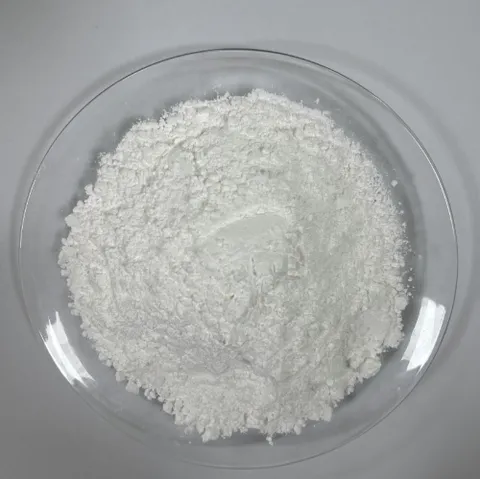
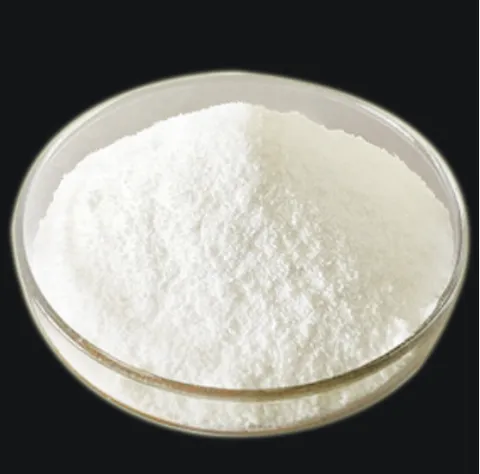
Medium granule urea is a white, high-concentration nitrogen fertilizer, and one of the most basic and important nitrogen fertilizer varieties in modern agriculture. According to different uses and standards, it is mainly divided into two specifications: "agricultural grade" and "industrial grade".

I. Core Components and Form of the Product
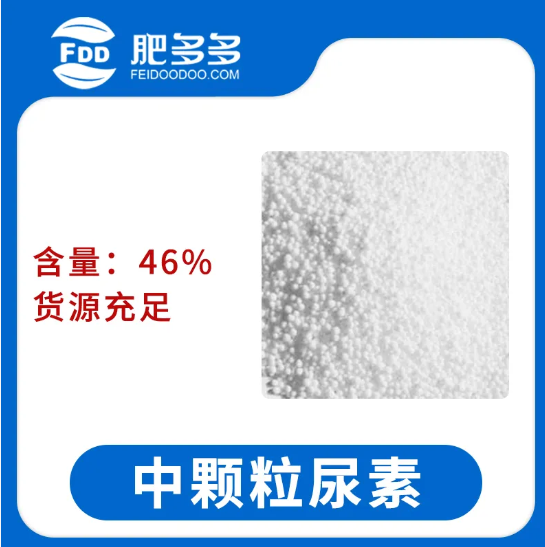
The core component of this fertilizer is nitrogen, with a nitrogen content usually around 46%, making it the solid nitrogen fertilizer with the highest nitrogen content. This means that using urea is a very economical and efficient choice for supplementing nitrogen to crops.
"Medium granule" refers to its physical form. Compared with powdered or large granule urea, medium granules strike a balance in size, giving them the following advantages:
Good fluidity: Facilitates mechanical spreading and is not easy to clog equipment.
Low dust: Compared with powdered urea, it can reduce dust loss and environmental pollution during storage and application.
Anti-caking: Possesses good physical stability, making it easy to store.
II. Its Role in Crop Growth
The core function of urea is to provide crops with nitrogen needed for protein synthesis. Nitrogen is an important component of chlorophyll, protein, and nucleic acid in plants, hence known as the "element of life". Its main roles include:
Promoting growth: Strongly promotes the growth of vegetative organs such as stems and leaves of crops, making plants lush and leaves dark green.
Increasing yield: Sufficient nitrogen supply is the foundation for high crop yields.
III. Key Differences Between "Agricultural Grade" and "Industrial Grade"
Although the main component is urea, there are crucial differences in their uses and quality standards:
Agricultural Grade Urea
Main use: Specifically used as fertilizer.
Core requirement: Focuses on indicators beneficial or harmful to crop growth, such as biuret content. Excessively high biuret can inhibit or even poison seedlings and certain crops. Therefore, agricultural grade urea has strict restrictions on this.
Application method: After being applied to the soil, it needs to be converted into ammonium nitrogen by urease secreted by microorganisms over a period of time before it can be absorbed in large quantities by plants. Thus, its fertilizer effect is slightly slower but more long-lasting.
Industrial Grade Urea
Main use: Used as an industrial raw material, widely applied in the production of plastics, adhesives, feed additives (requiring strict treatment), and other fields.
Core requirement: Pays more attention to indicators such as impurity content, color, and iron content that affect industrial synthesis, while the restriction on biuret is relatively loose.
Important note: Industrial grade urea is not recommended to be directly used as fertilizer in farmland, as its potentially high biuret and other components pose a risk of damaging crops.
Medium granule urea is an efficient basic nitrogen fertilizer. When purchasing, farmers must recognize the agricultural grade standard to ensure that indicators such as biuret meet agricultural safety requirements, thereby safely and effectively promoting crop growth and achieving yield increase goals. Do not use industrial grade urea for agricultural production due to factors such as price.
Gathering resources from hundreds of certified agricultural material suppliers, seamlessly connecting to the global procurement network. Through digital tools and services, we realize precise supply-demand matching, transparent and credible transactions, efficient logistics collaboration, and agricultural technology services directly reaching the fields. Helping manufacturers expand markets, empowering distributors to improve efficiency, and serving growers in scientific decision-making - FDD-Global, building a high-value agricultural material industry community.