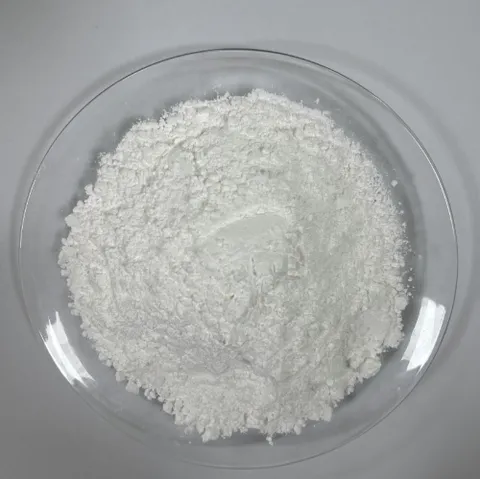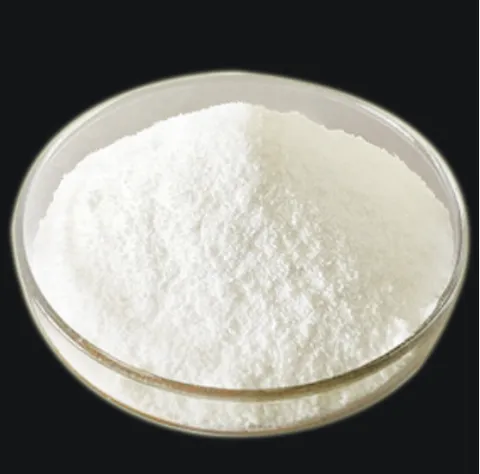
Atrazine Product Introduction
It is a systemic selective pre-emergence and post-emergence soil-applied herbicide. It is mainly absorbed by roots, with little absorption by stems and leaves. Its herbicidal effect and selectivity are similar to simazine. It is easily leached to deeper soil layers by rainwater, so it is effective against some deep-rooted weeds but may easily cause phytotoxicity. It also has a relatively long persistence period.
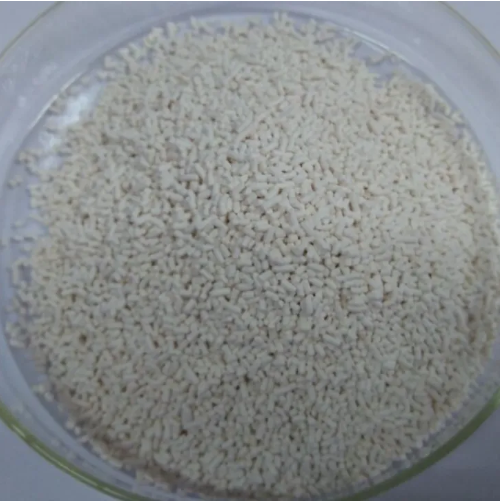
1. Herbicidal Principle
It is mainly absorbed by plant roots and transported upwards, inhibiting the photosynthesis of weeds (such as Xanthium, Setaria, Ambrosia, and wild cucumber), causing them to die. There are two photosynthetic systems in chloroplast membranes, namely Photosystem I (PS I) and Photosystem II (PS II). In PS II, there are core pigment P680, pheophytin, and plastoquinone. When light energy is transferred to P680, electrons move from P680 through PS II pigment molecules to plastoquinone. This process repeats until plastoquinone accepts two electrons in the reduction reaction and is reduced to plastohydroquinone (diphenol). Plastoquinone acts as an "electron transporter" between PS II and PS I. When two electrons 搭上 this transporter, the newly formed plastohydroquinone separates from PS II and goes to PS I. When plastoquinone moves away from PS II, a new plastoquinone binds to the same position, and the process repeats. However, if a molecule with a similar shape exists, such as atrazine, it may bind to the position of plastoquinone. When atrazine binds, plastoquinone molecules are prevented from rebinding and transferring more electrons. These electrons then react with lipids in the cell membrane, damaging the cell membrane and eventually leading to cell death.
2. Scope of Application
It has a relatively broad herbicidal spectrum and can control various annual gramineous and broad-leaved weeds. It is suitable for controlling weeds such as Digitaria sanguinalis, Echinochloa crusgalli, Setaria viridis, Cyperus rotundus, Alopecurus aequalis, Polygonum, Chenopodium album, cruciferous, and leguminous weeds in dryland crops such as corn, sorghum, sugarcane, fruit trees, nurseries, and woodlands. It has good selectivity for corn in particular (because corn has a detoxification mechanism in its body) and also has a certain inhibitory effect on some perennial weeds. Atrazine is a special chemical herbicide for corn, sugarcane, sorghum, etc., and is used for pre-emergence and post-emergence weeding of various crops.
3. Precautions
Atrazine has a long persistence period and is harmful to subsequent sensitive crops such as wheat, soybean, and rice. Its persistence period is 2-3 months. This problem can be solved by reducing the dosage and mixing with other herbicides such as nicosulfuron or mesotrione.
Peach trees are sensitive to atrazine, so it is not suitable to use it in peach orchards. It cannot be used in corn fields intercropped with beans.
For soil surface treatment, the land must be leveled and finely prepared before application.
After application, all tools must be carefully cleaned.
Looking for a reliable Chinese agricultural material supplier? FDD-Global is here to help. We select and verify hundreds of high-quality Chinese agricultural material enterprises, build a transparent trading bridge, and reach global buyers directly. Whether you need bulk commodities, characteristic agricultural products, or customized procurement services, FDD-Global can unlock better business opportunities for you and establish high-value and trustworthy partnerships - this is the platform worthy of your choice.