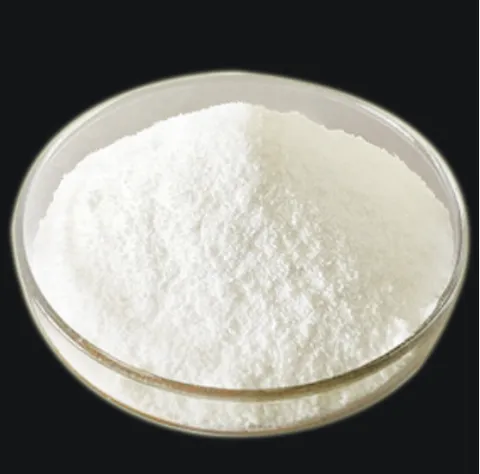
Belarusian Potassium Chloride (White Crystal, K₂O ≥ 62%)
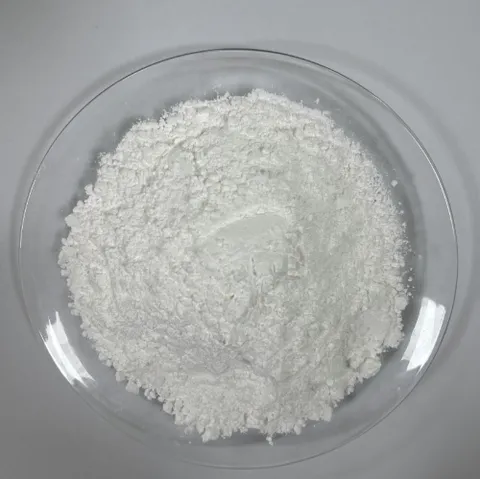
This product is a high-purity potassium chloride fertilizer sourced from Belarus. Its core indicator, potassium oxide (K₂O) content, is no less than 62%, ranking among the highest nutrient concentration categories in global commercial potassium fertilizers. The product appears as pure white crystals or granules, and this white appearance is a direct symbol of its deep purification through advanced processes, indicating extremely low impurity content and highly concentrated active ingredients. Belarus is home to world-class potassium salt deposits (such as the Starobin Mine), and its potassium fertilizers enjoy an international reputation for stable quality and high purity.


1. Core Efficacy: The Key Role of Potassium
As the most basic potassium fertilizer, its main function is to provide essential potassium nutrition for all crops. Known as the "quality element" and "stress resistance element", potassium’s core roles include:
Enhancing Crop Stress Resistance: Significantly improves crops’ resistance and tolerance to adverse stresses such as drought, low temperatures, diseases, and lodging, ensuring stable crop growth.
Greatly Improving Agricultural Product Quality: Promotes fruit enlargement and uniform coloring, increases the content of sugars, starches, proteins, and oils, and is crucial for enhancing taste, flavor, and commercial appearance.
Regulating Key Physiological Processes: Actively participates in life activities such as photosynthesis, enzyme activation, nutrient transport, and water regulation in plants, serving as a "regulator" for healthy crop metabolism.
2. Advantages of Physical Form: White Crystals
Symbol of High Purity: White crystals are direct evidence that most impurities have been removed through selection and processing, ensuring stable and reliable quality.
Rapid Dissolution: The crystalline structure enables quick dissolution in water, facilitating rapid absorption and utilization by crops, and it can also be used as a raw material for water-soluble fertilizers.
Good Fluidity and Easy Blending: Uniform granules with strong fluidity are convenient for mechanized fertilization and can be easily mixed evenly with other nitrogenous fertilizers and phosphate fertilizers to produce compound fertilizers of various formulas.
3. Key Component: Impact of Chloride Ions and Scientific Application
The main component of this product is potassium chloride, which means while providing high-concentration potassium, it also contains approximately 45-47% chloride ions. This is a key factor determining its applicability and must be treated scientifically:
Suitable Crops (Chlorine-Loving or Chlorine-Tolerant Crops)
Highly suitable for crops that are insensitive to chloride ions or require chlorine, such as cotton, rice, wheat, corn, sorghum, amaranth, sugar beets, etc.Using it on these crops yields significant economic benefits, and chlorine has a positive effect on the yield of certain crops (e.g., sugar beets).
Crops for Cautious Use or Prohibition (Chlorine-Intolerant Crops)
Strictly prohibited for crops sensitive to chloride ions, especially tobacco, potatoes, sweet potatoes, citrus, grapes, tea trees, melons, and legumes.Chloride ions will significantly reduce the quality of these crops: for example, impairing the combustibility of tobacco; reducing the starch content of tuber crops; and affecting the sugar content and flavor of fruits.
Soil and Application Precautions
Priority for Areas with Abundant Precipitation and Good Drainage: Rainwater can help leach accumulated chloride ions in the soil.
Cautious Use in Saline-Alkali Soils, Arid Regions, and Protected Cultivation (Greenhouses): Under these conditions, chloride ions tend to accumulate on the soil surface, increasing the risk of salt damage and potentially harming crop roots.
Recommended as Base Fertilizer for Deep Application: Apply and plow into the soil in advance to allow chloride ions sufficient time to be leached or migrated, reducing potential salt stress on seedlings.
Belarusian White Potassium Chloride (K₂O ≥ 62%) is a world-class basic potassium fertilizer with extremely high nutrient concentration, excellent purity, and outstanding cost-effectiveness. It is one of the most economical and effective choices for meeting the potassium needs of major field crops (such as grains and cotton). The core of successful application lies in strictly following the principle of "avoiding use on chlorine-intolerant crops" and applying it reasonably according to soil and climatic conditions. For suitable crops, it is a reliable guarantee for increasing yield and quality and ensuring food security.
Looking for a reliable Chinese agricultural input supplier? FDD-Global is here to help. We carefully select and verify hundreds of high-quality Chinese agricultural input enterprises, build a transparent trading bridge, and connect directly with global buyers. Whether you need bulk commodities, special agricultural products, or customized procurement services, FDD-Global can unlock better business opportunities for you and establish high-value, trustworthy partnerships — this is the platform you can rely on.