Ferrous Sulphate
6224
March 31, 2025, 12:00 AM
Guide
Highlights at a glance
Ferrous sulfate (FeSO₄·nH₂O), commonly known as green vitriol, is a versatile inorganic compound available primarily as heptahydrate, monohydrate, and tetrahydrate forms. It exhibits strong solubility in water, acidic pH, and thermal instability, decomposing above 300°C into iron oxide and sulfur oxides. Its Fe²⁺ ion enables key functionalities such as coagulation, phosphate and hydrogen sulfide removal, redox reactions, and biofiltration enhancement in water treatment. Effective performance depends on pH, dosage, temperature, alkalinity, and oxidation-reduction potential. Widely used in municipal and industrial wastewater treatment, it also serves in environmental remediation, agriculture, feed additives, and industrial processes. Sourced largely from steel pickling waste and titanium dioxide by-products, its production is linked to upstream industries, while downstream applications drive demand across water, agriculture, and circular economy sectors. By-products like iron sludge and iron phosphate can be recycled into pigments, battery materials, and construction products, supporting sustainable resource utilization.

1.Basic Properties and Characteristics
1.1 Basic Information
Chemical Name: Ferrous Sulfate
Chemical Formula: FeSO₄·nH₂O (n=1, 4, 5, 7)
Major Hydrate Forms:
-
Ferrous Sulfate Heptahydrate (FeSO₄·7H₂O) - Most common commerical form
-
Ferrous Sulfate Monohydate (FeSO₄·H₂O) - Dried product
-
Ferrous Sulfate Tetrahydrate (FeSO₄·4H₂O) - Specific industrial product
Molecular Weight:
-
Heptahydrate: 278.01g/mol
-
Monohydrate: 169.94 g/mol
-
Anhydrous: 151.91 g/mol
Aliases: Green Vitriol, Copperas, Iron(II) Sulfate
1.2 Physicochemical Properties
-
Physical State and Appearance
-
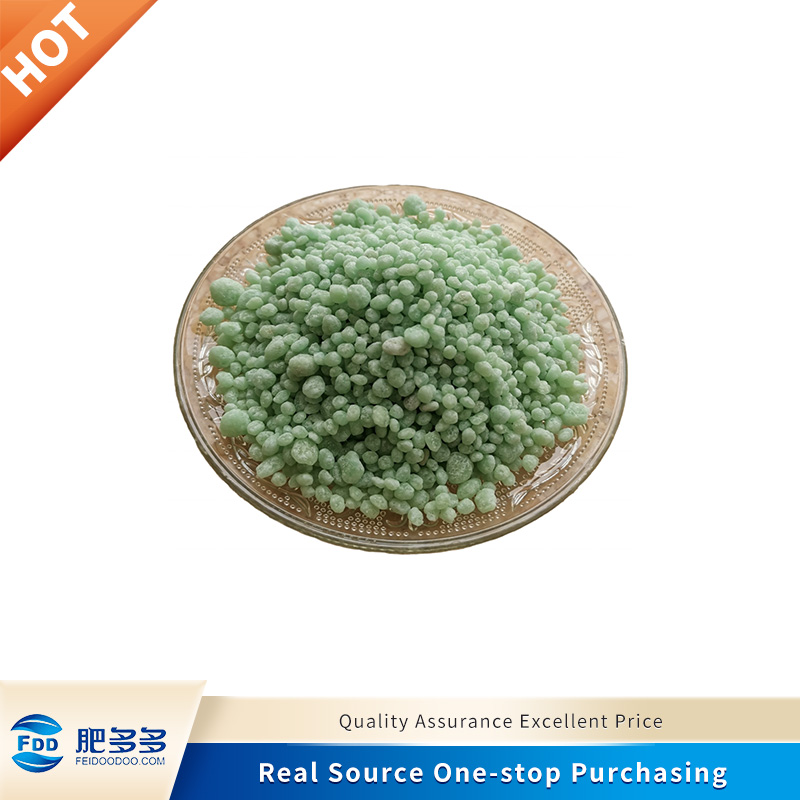
Heptahydrate:Blue-green to light green crystals or granules
-
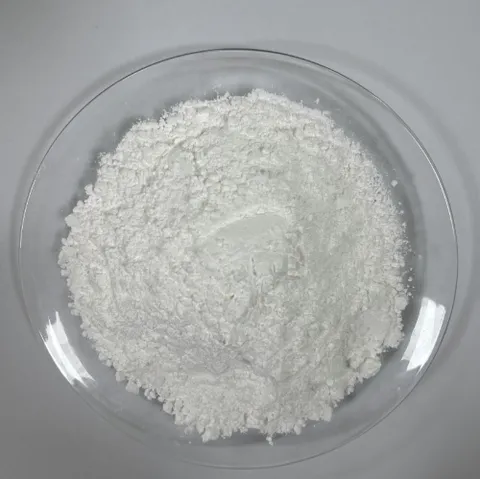
Monohydrate: Gray-white to pale yellow powder
-
Slowly oxidizes when exposed to air, the surface turns yellowish-brown
-
-
Solubility
-
Water solubility(heptahydrate, 20°C): 29.51g/100 mL
-
Solubility variation with temperature: 15.65g/100 mL at 5°C, 48.69g/100 mL at 50°C
-
Slightly soluble in ethanol
-
Solubility increases in acidic solutions
-
-
pH Value
-
5% aqueous solution pH approximately 2.0-4.0
-
Acidic characteristics due to hydrolysis forming sulfuric acid
-
-
Density
-
Heptahydrate: 1.89g/cm³
-
Monohydrate: 3.0g/cm³
-
Bulk Density (commercial powder): 900-1200 kg/cm³
-
-
Thermal Stability
-
Heptahydrate begins to lose crystallization water at 60°C
-
Converts to monohydrate at 100-300°C
-
Decomposes at >300°C to form iron oxide and sulfur oxides
-
Thermal decomposition reaction:2FeSO₄ → Fe₂O₃ + SO₂ + SO₃
-
-
Oxidation Properties
-
Easily oxidized in air, Fe²⁺ converts to Fe³⁺
-
Oxidation reaction: 4FeSO₄ + O₂ + 2H₂O → 4Fe(OH)SO₄
-
Oxidation rate affected by pH, temperature, and light exposure
-
Slower oxidation rate under acidic conditions
-
-
Electronic Structure
-
Fe²⁺ ion contains six 3d electrons
-
Crystal field splitting causes absorption in the visible region, resulting in green color
-
After oxidation to Fe³⁺, color changes to yellowish-brown or reddish-brown
-
-
Standard Electrode Potential
-
Fe²⁺/Fe: -0.44V
-
Fe³⁺/Fe²⁺: +0.77V
-
2.Action Mechanisms and Treatment Effects
2.1 Water Treatment Agent Mechanisms
2.1a Coagulation Mechanism
-
Charge neutralization: Fe²⁺ hydrolyzes to form positively charged hydrated species that neutralize negative colloid charges.
-
Hydrolysis reaction: Fe²⁺ + 2H₂O → Fe(OH)₂ + 2H⁺
-
Double layer compression, reducing repulsion between particles
-
Adsorption-charge neutralization-bridging process
2.1b Phosphate Removal
-
Forms insoluble iron phosphate precipitate
-
Reaction equation: 3Fe²⁺ + 2PO₄³⁻ → Fe₃(PO₄)₂↓
-
Optimal pH range: 5.0-7.0
-
Theoretically 1.8mg Fe²⁺ can remove 1 mg PO₄-P
2.1c Hydrogen Sulfide Control
-
Reacts with H₂S to form insoluble iron sulfide
-
Reaction equation: Fe²⁺ + H₂S → FeS↓ + 2H⁺
-
1.0 mg/L Fe²⁺ can theoretically remove 0.58 mg/L H₂S
-
More effective in anaerobic environments
2.1d Redox Reaction
-
Acts as a reducing agent for treating chromate and other contaminants
-
Cr⁶⁺ reduction reaction: 3Fe²⁺ + Cr₂O₇²⁻ + 14H⁺ → 3Fe³⁺ + 2Cr³⁺ + 7H₂O
-
Can be used synergistically with oxidants (such as Cl₂, O₃)
-
Stronger reducing ability under acidic conditions
2.1e Iron Oxide Biofiltration
-
Fe²⁺ oxidizes to Fe³⁺ forming hydroxide oxides
-
Generated flocs form biofilm on filter media surface
-
Enhances adsorption capacity for arsenic, manganese, and other heavy metals
-
Improves biological filtration system treatment efficiency
2.1f Synergistic Enhancement Effects
-
Used with polymer flocculants to enhance flocculation
-
Combined with aluminum coagulants to broaden effective pH range
-
Dual role in flocculation-oxidation combined processes
-
Sulfate ions can enhance removal efficiency of certain pollutants
2.2 Key Factors Affecting Treatment Efficiency
-
pH Influence
-
Optimal coagulation pH range: 4.5-6.0
-
Optimal pH for phosphate removal: 5.0-7.0
-
At pH > 8.0, Fe²⁺ rapidly oxidizes to Fe³⁺
-
At pH
-
Dosage Factors
-
General coagulation dosage: 10-150mg/L (as FeSO₄)
-
Iron-phosphorus ratio for phosphate removal: 1.5-2.5:1 (molar ratio)
-
Hydrogen sulfide control dosage: 2-3 times theoretical calculation
-
Overdosing increases residual iron and sulfate concentrations in water
-
-
Oxidation-Reduction Potential (ORP)
-
ORP range for Fe²⁺ stability:
-
ORP threshold for oxidation to Fe³⁺: approximately +200 mV
-
Controlling ORP affects treatment efficacy and sludge characteristics
-
ORP in anaerobic environments typically
-
Temperature Effects
-
Reaction rate approximately doubles with 10°C temperature increase
-
Coagulation efficiency significantly decreases at low temperatures (
-
Higher temperatures promote Fe² oxidation, effecting dosage form selection
-
Seasonal temperature variations require dosage adjustments.
-
-
-
Alkalinity and Hardness
-
Each 1 mg/L Fe²⁺ consumes approximately 0.9 mg/L alkalinity (as CaCO₃)
-
Low alkalinity water bodies (
-
Hardness affects coagulation mechanism and floc characteristics
-
Ca²⁺ can form co-precipitation with phosphate to enhance removal efficiency.
-
Mixing and Contact Time
-
Rapid mixing intensity: G value approximately 600-1000 s⁻¹, duration 10-30 seconds
-
Slow mixing intensity: G value approximately 30-80 s⁻¹, duration 10-30 minutes
-
Sedimentation time: typically requires 30-60 minutes
-
Insufficient mixing leads to local overdosing and incomplete coagulation
-
3.Application Fields and Usage Methods
3.1 Municipal Water Treatment Applications
3.1a Drinking Water Treatment
-
Uses: turbidity removal, organic matter removal, color control
-
Typical dosage: 10-50mg/L (as FeSO₄·7H₂O)
-
Often used in combination with ferric chloride, PAC and other coagulants
-
Advantages: low cost, wide pH treatment range, strong adaptability to raw water quality fluctuation
3.1b Wastewater Treatment
-
Uses: Suspended Solids (SS) removal, Chemical Oxygen Demand(COD) reduction, phosphate precipitation
-
Typical Dosage: 50-150mg/L (secondary treatment), 100-250mg/L (tertiary treatment for phosphorus removal)
-
Dosing Points: before primary sedimentation, before secondary sedimentation, or tertiary treatment unit.
-
Can reduce effluent total phosphorus concentration to
3.1c Sludge Treatment
-
Uses: Sludge conditioning, improving dewatering performance
-
Dosage: 3-8% of dry sludge weight (as FeSO₄)
-
Better results when used with lime and polymers
-
Can reduce sludge moisture content by 5-15 percentage points
3.1d Wastewater Collection Systems
-
Uses: Hydrogen sulfide control, corrosion inhibition
-
Dosage: calculated at Fe:S=2-3:1 (molar ratio)
-
Dosing Points: pressure pipe terminus, pumping stations, gravity networks
-
Can reduce H₂S concentration by over 90%
3.2 Industrial Water Treatment Applications
-
Electroplating Wastement Treatment
-
Uses: Heavy metal precipitation, chromate reduction
-
Treatment Mechanism: 3Fe²⁺ + Cr₂O₇²⁻ + 14H⁺ → 3Fe³⁺ + 2Cr³⁺ + 7H₂O
-
Dosage: 1.5-2.5 times theoretical amount (depending on wastewater pH and ORP)
-
Can reduce hexavalent chromium concentration to
-
-
Mineral Processing Wastewater Treatment
-
Uses: suspended solids sedimentation, heavy metal co-precipitation
-
Dosage: 50-200mg/L
-
Used synergistically with lime and polymers
-
Effectively removes heavy metals such as As, Cd, Cu
-
-
Textile Dyeing Wastewater
-
Uses: decolorization, COD reduction
-
Typically used in conjunction with oxidants (H₂O₂) for Fenton oxidation
-
Dosing Ratio: Fe²⁺:H₂O₂ = 1:5-15 (mass ratio)
-
Can reduce color by 80-95% and COD by 60-80%
-
-
Paper Industry
-
Uses: water circulation system treatment, white water clarificaiton
-
Dosage: 20-80mg/L
-
Reduces suspended solids and colloidal substances
-
Reduces deposit formation in paper systems
-
-
Cooling Water Systems
-
Uses: sulfate-reducing bacteria control, scale prevention
-
Dosage: 5-20 mg/L (continuous dosing) or 50-100 mg/L (intermittent dosing)
-
Inhibits microbial activity through Fe/S precipitation mechanism
-
Reduces system corrosion and biological slime formation
-
3.3 Environmental Remediation Applications
-
Contaminated Groundwater Remediation
-
Uses: in situ chemical reduction (ISCR)
-
Target Contaminants: Chlorinated organics, nitrates, arsenic, chromium
-
Application Methods: injection wells, permeable reactive barriers, direct mixing
-
Reaction Mechanism: Direct reduction by Fe²⁺ or reduction via generated zero-valent iron
-
-
Lake Eutrophication Control
-
Uses: phosphate precipitation, blue-green algae control
-
Dosage: 5-20 g/m² water surface (depending on lake depth and phosphorus content)
-
Application methods: liquid spraying, solid broadcasting
-
Can reduce internal phosphorus release by 70-90%
-
-
Soil Heavy Metal Stabilization
-
Uses: heavy metal stabilization treatment
-
Dosage: 0.5-2% of soil weight
-
Reduces heavy metal bioavailability through adsorption, precipitation, co-precipitation
-
Can reduce leaching rates of Pb, Cd, As and other heavy metals by 80%-95%
-
-
Acid Mine Drainage Treatment
-
Uses: acidity neutralization, heavy metal removal
-
Typically used in conjunction with alkaline substances such as lime
-
Forms iron hydroxide flocs that adsorb heavy metals
-
Can reduce effluent Cu, Zn, Pb and other metal concentrations by over 95%
-
Ferrous Sulphate
Negotiable
/MT
MOQ: 0MT
Product Model: FeSO5≥96 88
Supplier Profile
Ningbo Feidoodoo E-Commerce Co., Ltd
Established: October 10, 2019
Company Size: 500
Get Best Price
4.Upstrean and Downstream Industry Relationships
4.1 Upstream Raw Material Industry Chain
4.1a Main Raw Material Sources
-
Metallurgical industry by-products:
-
Steel plant pickling waste liquor, containing 15-25% Fe²⁺
-
-
Titanium dioxide production by-products:
-
Sulfuric acid process generating Fe²⁺- containing sulfuric acid solution
-
-
Chemical synthesis:
-
Iron scraps reacting with sulfuric acid, Fe + H₂SO₄ → FeSO₄ + H₂
-
-
Pyrite roasting
-
4FeS₂ + 11O₂ → 2Fe₂O₃ + 8SO₂, then Fe reduced to Fe²⁺
-
4.1b Raw Material Quality and Product Quality Correlation
-
Heavy metal content in metallurgical by-products directly affects product purity
-
Synthetic products have higher purity but higher cost
-
Titanium content in titanium dioxide by-products affects product color
-
Raw material source affects crystalline ferrous sulfate color and solubility
4.1c Market PRice Correlation
-
Steel industry output directly affects ferrous sulfate supply and price
-
Sulfuric acid price fluctuations affect synthesis production costs
-
Titanium dioxide production scale affects by-product ferrous sulfate output
-
Environmental policies on by-product recycling requirements affect supply structure
4.1d Technical Corrrelation
-
Steel pickling process improvements affect waste acid characteristics
-
Titanium dioxide production technology development(chloride process replacing sulfate process) reduces by-product ferrous sulfate
-
Environmentally-friendly acid regeneration technology reduces by-product ferrous sulfate output
-
Crystal purification technology improves commercial grade ferrous sulfate quality
4.2 Downstream Application Industry Chain
4.2a Water Treatment Industry
-
Accounts for 40-50% of total ferrous sulfate consumption
-
Improved water treatment standards increase demand
-
Development of flocculant combination application technology promotes consumption growth
-
Substitution and complementary relationships exist with other iron salts (ferric chloride, ferric sulfate)
4.2b Agriculture and Soil Improvement
-
Accounts for 20-25% of total consumpton
-
Increased iron fertilizer application increases ferrous sulfate demand
-
Development of soil heavy metal fixation remediation technology promotes usage growth
-
Ferrous sulfate allowed as soil conditioner in organic agriculture
4.2c Feed Additives
-
Accounts for 10-15% of total consumption
-
Used as animal iron fortifier, especially in pig feed
-
Feed safety standards affect product quality requirements
-
Competes with other iron sources (such as ferrous fumarate, ferrous glycine chelate)
4.2d Other Industrial Applications
-
Cement water reducer raw material, accounting for about 5% of consumption
-
Dye industry reducing agent, accounting for about 3-5% of consumption
-
Electronic circuit board etching component, accounting for about 2-3% of consumption
-
Ferrite magnetic material precursor, accounting for about 2% of consumption
4.2e Environmental industry Chain Relationships
-
Ferrous sulfate dosing system equipment manufacturing
-
Water treatment agent formulation development and preparation
-
Resource utilization of post-treatment sludge
-
Environmental monitoring and analysis services
4.3 Circular Economy and By-product Utilization
4.3a Treatment Process by-products
-
Iron-containing sludge
-
Can be used for building materials, pigments, or soil improvement
-
-
Fe₂O₃ produced by oxidation treatment
-
Can be used as pigments, magnetic raw material
-
-
Iron phosphate precipitates
-
Can be recovered and used as lithium battery material precursors
-
-
Iron sulfide Precipitates
-
Can be used to prepare hydrogen sulfide adsorbents
-
4.3b Industrial Symbiosis Relationships
-
Steel-water treatment-building materials circular chain
-
Titanium dioxide-water treatment-magnetic materials circular chain
-
Complementary relationship between sulfuric acid industry and ferrous sulfate industry
-
Water treatment-agriculture-soil remediation technology relationships
4.3c Resource Utilization Technologies
-
-
-
-
-
-
Technology for preparing iron oxide red pigment from iron-containing sludge, utilization rate up to 90%
-
Technology for producing sulfuric acid and iron oxide by thermal decomposition of waste ferrous sulfate
-
Phosphorus-iron mineralization treatment and phosphorus recovery technology
-
Iron-carbon micro-electrolysis material preparation technology
-
-
-
-
-
More Sourcing News
77667
July 4, 2025
73940
July 10, 2025
71856
July 10, 2025
64675
July 4, 2025
61906
July 10, 2025