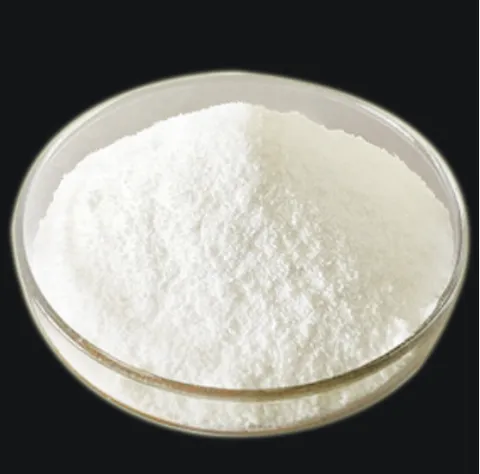
Glyphosate IPA 62% SL
I. Product Definition and Specifications
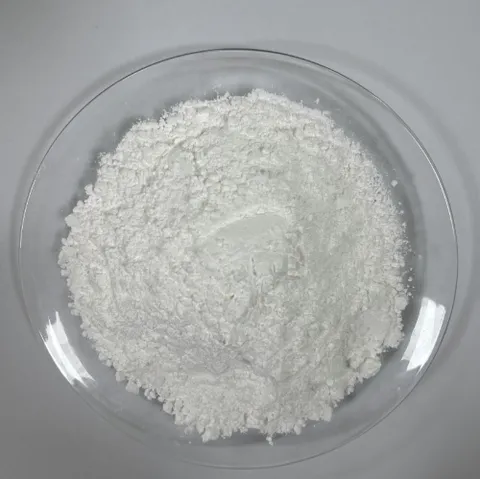
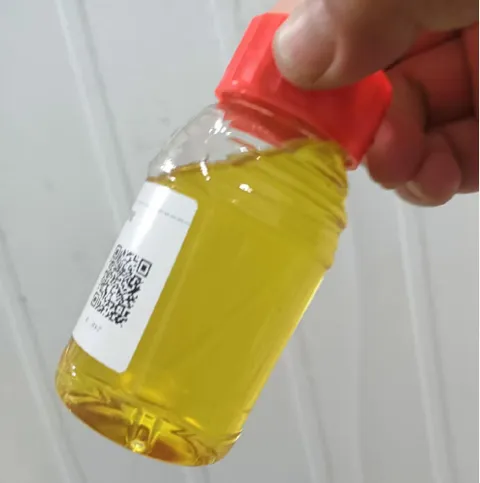
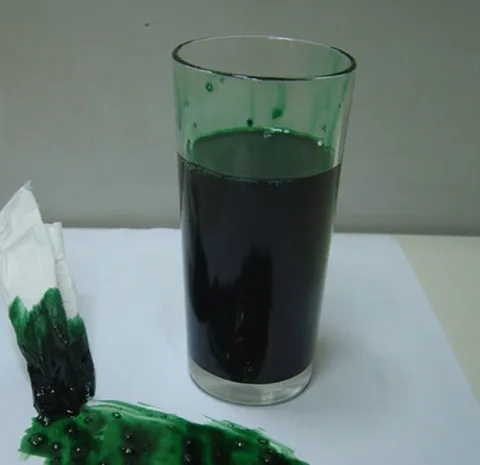
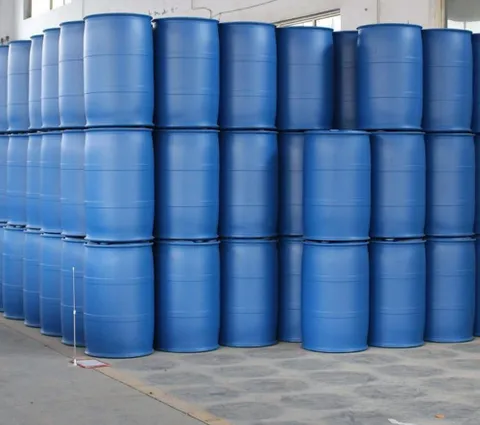
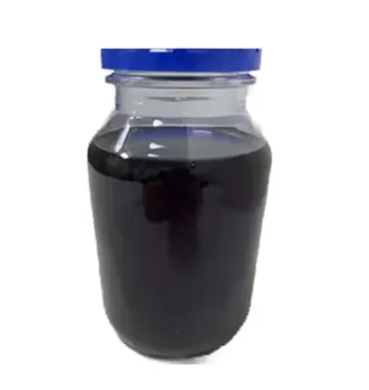
This product is a 62% Glyphosate Isopropylamine Salt soluble concentrate (SL). Its active ingredient is the isopropylamine salt of glyphosate, with a concentration equivalent to 62% glyphosate acid (C₃H₈NO₅P) (mass/volume, commonly 620 g/L). The formulation is a soluble liquid (SL), and the product usually appears as a light brown to brown homogeneous liquid, easily soluble in water.
II. Working Principle and Core Characteristics
Working Principle
This product is a systemic non-selective herbicide. After the active ingredient is absorbed by plant leaves, it can quickly translocate to the entire plant (including roots). By inhibiting the activity of 5-enolpyruvylshikimate-3-phosphate synthase (EPSPS) in plants, it interferes with the synthesis of aromatic amino acids, ultimately leading to systemic death of the entire plant.
Core Characteristics
Broad-spectrum and non-selective: Excellent control effect on most annual and perennial gramineous weeds, broad-leaved weeds, and shrubs.
Thorough systemic translocation: Can kill above-ground parts and underground roots of weeds, effectively controlling perennial deep-rooted weeds.
No soil residual activity: Rapidly inactivated after contacting soil, safe for subsequent crops.
Characteristics of isopropylamine salt type: Compared with other salt types (such as ammonium salt, potassium salt), isopropylamine salt usually has better leaf affinity and systemic translocation, especially stable performance under adverse conditions such as low temperature.
III. Main Application Fields and Usage Technology
Applicable Scenarios
Non-cultivated land weeding: Complete weeding in areas such as highways, railways, warehouses, and oilfields.
No-till/minimum tillage weeding in farmland: Clearing existing weeds in the field before crop sowing or transplanting.
Directed spraying: Directed spraying between rows or under trees in mature crop gardens such as fruit trees, rubber, sugarcane, and forestry. Strictly prohibit the pesticide solution from contacting green parts of crops.
Desiccation and drying: Used for defoliation and desiccation of some crops (such as cotton) before harvest.
Key Usage Technology
Application period: Best effect when applied during the vigorous growth period of weeds (usually 4-6 leaf stage). Perennial weeds can be treated from before flowering to early flowering stage.
Application method: Adopt low-pressure, large droplet directed spraying to avoid drift of droplets to non-target crops. Ensure sufficient water per mu to achieve uniform coverage of weed leaves.
Dilution ratio: According to weed species and density, generally recommended to dilute 100-200 times (i.e., 200-300 ml per mu) for foliar spraying.
Environmental conditions: Re-spray if rain occurs within 6 hours after application. Avoid application under drought, low temperature, or weak weed growth conditions, as it will affect systemic translocation and efficacy.
IV. Precautions
Strictly avoid drift: This product is a non-selective herbicide. Droplet drift can easily cause serious phytotoxicity to surrounding sensitive crops (such as broad-leaved crops, trees, vegetables, etc.). Choose windless or breezy weather for application and use windproof nozzles.
Crop safety: Can only be used in plots without crop growth, or for strict directed spraying in mature crop gardens with obvious height differences or physical barrier protection. Strictly prohibit the pesticide solution from contacting green stems, leaves, trunks, and tender branches of any crops.
Mixing and adjuvants: To speed up the action rate or control resistant weeds, it can be mixed with 2,4-D, dicamba, or contact herbicides (such as glufosinate-ammonium) as specified. Adding an appropriate amount of non-ionic surfactant can significantly improve the control effect on weeds with thick waxy layers.
Gathering resources of hundreds of certified agricultural suppliers, seamlessly connecting to the global procurement network. Through digital tools and services, we achieve precise supply-demand matching, transparent and credible transactions, efficient logistics coordination, and agricultural technical services directly reaching the fields. Helping producers expand markets, empowering distributors to improve efficiency, and serving growers in scientific decision-making—FDD-Global, building a high-value agricultural industry community.