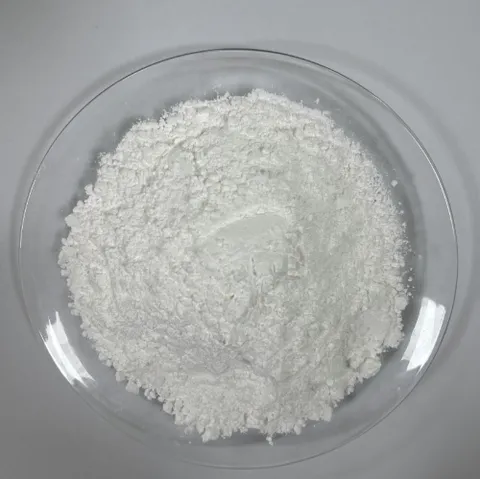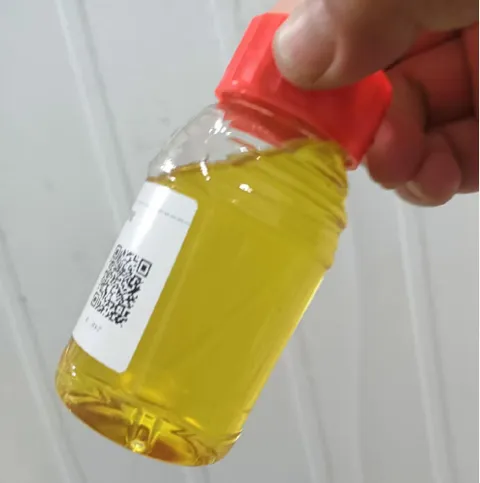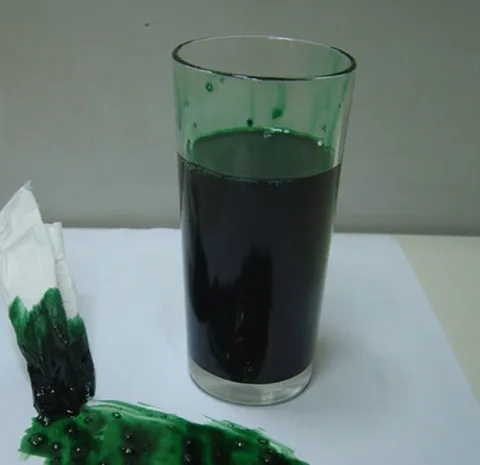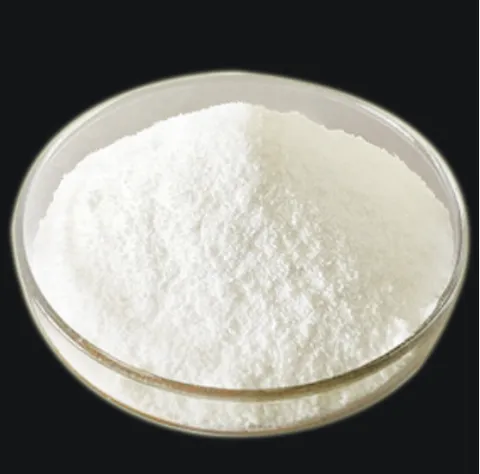
Introduction to Clethodim Product
Clethodim is a widely used cyclohexenone herbicide, mainly used to control gramineous weeds in broad-leaved crop fields such as soybeans, cotton, and rapeseed.
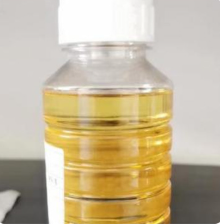
I. Mechanism of Action of Clethodim
The target of clethodim is acetyl-CoA carboxylase (ACCase), which can catalyze acetyl-CoA to malonyl-CoA carboxylase. In sensitive plants, it inhibits the biosynthesis of branched-chain fatty acids and flavonoids, and inhibits the activity of plant meristems, thereby hindering plant growth. Usually, the plants turn chlorotic and necrotic within 1-3 weeks after application, and then the leaves dry up and die.
II. Product Characteristics and Usage
1.High product activity: Clethodim is structurally completely different from aryloxyphenoxypropionate herbicides such as quizalofop-p-ethyl, haloxyfop-P-methyl, and fluazifop-p-butyl, but they have the same mechanism of action, all being ACCase inhibitors. Clethodim has the advantages of high activity, broad herbicidal spectrum, and safety like haloxyfop-P-methyl, and also has a lower cost than quizalofop-p-ethyl and fluazifop-p.
2.Relatively broad weed control spectrum: It can be used in a series of broad-leaved crops in dry fields, such as soybeans, rapeseed, cotton, peanuts, flax, tobacco, watermelons, etc., to control annual and perennial weeds such as barnyard grass, crabgrass, green foxtail, goosegrass, wild oats, lamb's-quarters, downy brome, bermudagrass, crabgrass, and wild sorghum.
3.Strong systemic absorption and osmotic transfer: After application, it can be quickly absorbed by the stems and leaves of weeds, and quickly penetrate and transfer to the roots and plant growth points, destroying the meristems of weeds, thereby inhibiting the growth of the treated weeds.
4.Rainfastness and long duration of effect: The active ingredients are absorbed within 1-3 hours after application, and subsequent rainfall will not reduce its herbicidal activity; 7 days after application, chlorosis and necrosis of young tissues can be observed, followed by withering and drying of the remaining leaves. The duration of the herbicide can be as long as 30-60 days.
5.Cold resistance and little external influence: It is cold-resistant and can normally exert its herbicidal effect at above 2℃, but when the temperature is too low, the weed-killing speed is slow and the control effect will decrease. Weeds absorb the herbicide through their leaves. Under low-temperature conditions, the stomata will close and the cuticle will thicken, which is not conducive to the absorption of the herbicide by weeds. Therefore, encountering low temperatures after applying clethodim will affect the herbicidal effect.
6.Good mixing effect with non-selective herbicides such as glyphosate: With the continuous development of weed resistance to glyphosate, mixing clethodim with glyphosate can be a means to deal with and resist glyphosate resistance. For example, with the increase of goosegrass resistance, controlling goosegrass has become a problem. Goosegrass has developed and deep root systems, and has particularly strong drought resistance and growth ability. Due to the extensive and long-term use of glyphosate, resistance has developed, resulting in poor control effect. The mixed use of clethodim with glyphosate or glufosinate-ammonium has a very good control effect.
Technology empowers and connects the global agricultural material future. As a leading agricultural material industry internet platform, we use digital power to connect core producers, high-quality distributors, and large-scale growers, reshaping a transparent, efficient, and intelligent agricultural material circulation ecosystem. From seeds, fertilizers to plant protection machinery, from precise matching to data insight, choose FDD-Global to jointly promote the upgrading of the agricultural material industry and sustainable agriculture.