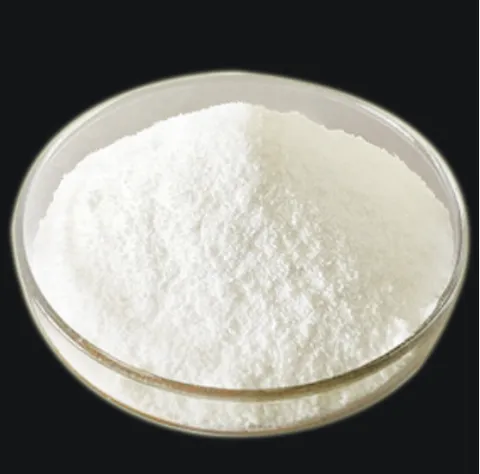
N-(Phosphonomethyl)iminodiacetic Acid (PMIDA)
I. Product Definition and Chemical Properties
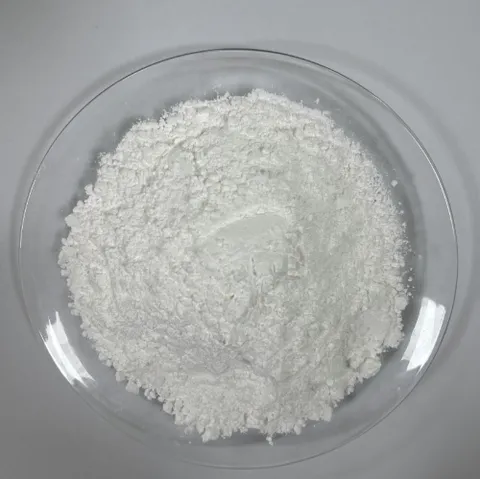
PMIDA, with the chemical name N-(Phosphonomethyl)iminodiacetic Acid, is an important organophosphonic acid compound. Its chemical structure contains both phosphonic acid groups (‑PO₃H₂) and iminodiacetic acid groups (‑N(CH₂COOH)₂), endowing it with good water solubility, acidity, and strong chelating ability. It is a white crystalline powder at room temperature and a key intermediate in the synthesis of Glyphosate.
II. Main Production Process
PMIDA is mainly produced through a condensation reaction (Mannich-type reaction) of glycine, phosphorous acid, and formaldehyde under acidic catalyst conditions. This mature and large-scale process is one of the core links in the current Glyphosate industrial chain.
Strict requirements are imposed on raw material purity, reaction conditions, and impurity control during production, which directly affect the final product quality of Glyphosate.
III. Core Uses
The only key intermediate for Glyphosate production: PMIDA can be directly converted into Glyphosate through catalytic oxidation (usually using noble metal-supported activated carbon catalysts). The vast majority of global Glyphosate production capacity uses PMIDA as the raw material.
Special chelating agent: With multiple coordinating atoms (N, O) in its molecule, it can act as a high-efficiency metal ion chelating agent, used in industrial fields such as water treatment, textile printing and dyeing, and metal cleaning. However, its application scale in this field is much smaller than that in Glyphosate synthesis.
Organic synthesis intermediate: Can be used to synthesize other phosphonic acid compounds with biological activity or special functions.
IV. Key Quality Indicators
The quality of industrial-grade PMIDA is usually measured by the following indicators:
Purity: Generally required to be ≥ 95% or higher; high purity is conducive to improving Glyphosate yield and quality.
Moisture: Need to be controlled at a low level (e.g., ≤ 0.5%) to prevent caking during storage and affect subsequent oxidation processes.
Impurity content: Especially need to control the content of unreacted glycine, phosphorous acid, and oxidation by-products (such as aminomethylphosphonic acid, Glyphosate itself). These impurities will affect catalytic oxidation efficiency and Glyphosate purity.
Color and appearance: White powder; solution light transmittance is an important appearance indicator.
V. Market and Supply Chain
Highly concentrated production capacity: China is the world's largest producer of PMIDA and Glyphosate, with production capacity mainly concentrated in large chemical parks with integrated industrial chains.
Strong demand binding with Glyphosate: Its market demand is completely dependent on the downstream production of Glyphosate, thus significantly affected by the global pesticide market, planting structure, genetically modified crop promotion, and environmental policies.
Price volatility: Prices are closely related to raw material costs (glycine, yellow phosphorus/phosphorous acid, methanol), Glyphosate market conditions, and industry operating rates, showing large fluctuations.
VI. Storage, Transportation, and Safety
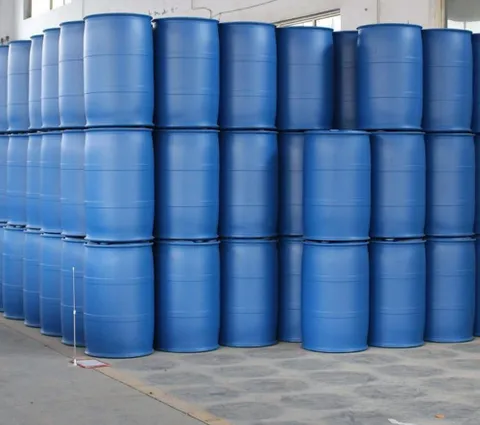
Storage: Should be sealed and stored in a cool, dry, and well-ventilated warehouse, avoiding mixed storage with oxidants and alkaline substances.
Transportation: Transported as ordinary chemicals, with attention to moisture protection.
Safety and environmental protection: This product is irritating to the eyes, skin, and respiratory tract. Its production and use involve the treatment of phosphorus-containing wastewater and waste gas, with strict environmental protection requirements. The catalyst used in the downstream oxidation process (such as palladium-supported activated carbon) is a noble metal that requires efficient recovery.
We build a global agricultural industrial internet platform, carefully selecting and connecting hundreds of reliable suppliers with massive procurement needs. Committed to eliminating information barriers, optimizing supply chain efficiency, reducing transaction costs, and empowering scientific planting. Whether you are an agricultural producer, distributor, or large-scale farmer, FDD-Global can help you seize business opportunities and achieve a trustworthy platform for cost reduction, efficiency improvement, and income increase.