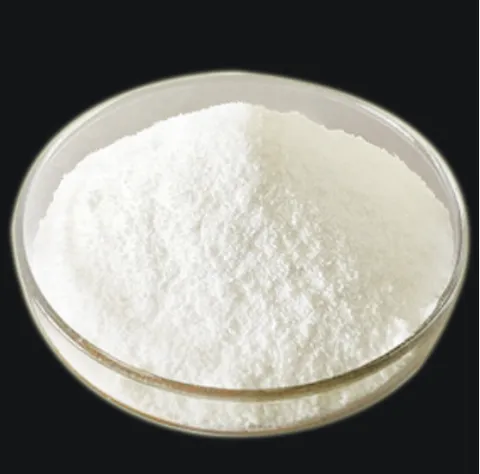
Superphosphate

I. Product Definition and Specifications
Superphosphate, commonly known as ordinary superphosphate, is the oldest and most basic water-soluble phosphate fertilizer. Its main active ingredient is monocalcium phosphate monohydrate (Ca(H₂PO₄)₂·H₂O), and it also provides secondary nutrients such as sulfur (S) and calcium (Ca).
Core nutrients: Available phosphorus (calculated as P₂O₅) content is usually 12% - 20%, depending on raw materials and processes.
Other components: Contains about 3.5% - 5.5% free acid (mainly phosphoric acid) and about 12% sulfur.
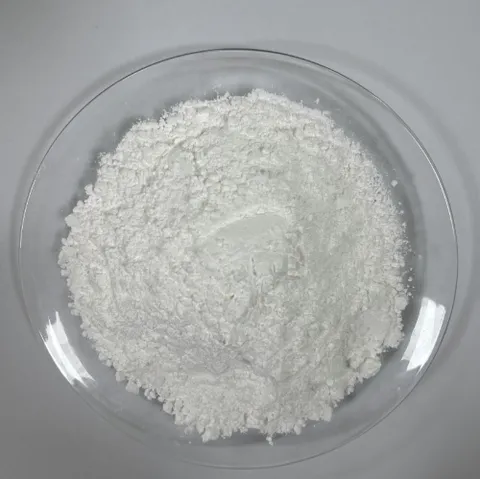
Physical form: Generally grayish-white, light gray, or dark gray powder or granular solid. Due to its acidity and hygroscopicity, the product may agglomerate and have an acidic odor during storage.
Chemical properties: It is an acidic chemical fertilizer; part of the phosphorus is water-soluble, and part is citrate-soluble (soluble in neutral ammonium citrate solution).
II. Main Production Process
Industrial production mainly adopts the wet process, which uses sulfuric acid to treat phosphate rock powder (main component: fluorapatite, Ca₅(PO₄)₃F). Through mixing, conversion, curing, and other processes, insoluble phosphorus is converted into a form usable by plants. The process is mature with relatively simple equipment requirements, but fluorine-containing waste gas generated needs to be treated.
III. Core Agronomic Efficacy and Application Scenarios
Provide quick-acting phosphorus source: Its water-soluble phosphorus can be quickly absorbed by crop roots, meeting the phosphorus demand of crops in the early growth stage, and promoting root development and seedling growth.
Improve soil: Especially suitable for neutral or calcareous soils. Its acidity can neutralize soil alkalinity, activate trace elements in the soil (such as iron, manganese, zinc), and alleviate their fixation problem.
Supplement sulfur and calcium nutrients: Can be used as an important sulfur source for sulfur-demanding crops (such as cruciferous vegetables, onions, garlic, legumes, etc.), while supplementing calcium.
Wide range of applicable crops: Suitable for most field crops (such as wheat, rice, corn), cash crops, fruits, and vegetables.
Commonly used as base fertilizer: Should be concentrated and deeply applied near the root system before sowing or transplanting (such as row application, hole application) to reduce soil fixation of phosphorus and improve utilization rate. It can also be used as early topdressing.
IV. Market Positioning and Advantages
One of the oldest and lowest-cost phosphate fertilizer varieties, with significant price advantages.
Multiple nutrients: Provides not only phosphorus but also sulfur and calcium, making it a "multi-effect" fertilizer.
Easy access to raw materials and widespread production: It is still an important basic phosphate fertilizer globally, especially in some developing countries and regions.
Improve specific soils: For alkaline soils and sulfur-deficient soils, its comprehensive improvement effect is better than high-concentration single phosphate fertilizers.
V. Usage and Storage Precautions
Safe operation: Contains free acid and is corrosive. Avoid prolonged skin contact and inhalation of dust during loading, unloading, and application; gloves and masks are recommended.
Not suitable for mixing: Do not mix with alkaline fertilizers (such as lime, plant ash, calcium magnesium phosphate fertilizer) or calcium-containing fertilizers (such as calcium nitrate) to avoid chemical reactions that reduce phosphorus availability and cause nutrient loss.
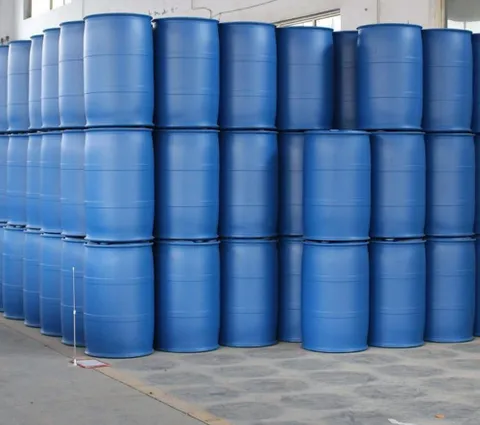
Storage requirements: Must be stored in a dry, cool place, protected from moisture and rain. Damaged packaging will accelerate moisture absorption, agglomeration, and degradation of active ingredients.
Quality identification: High-quality products should be loose and dry, with free acid content meeting standards (too low may result in insufficient phosphorus availability, too high may be overly corrosive).
Deeply rooted in the agricultural industrial internet, empowering the global agricultural value chain. We connect hundreds of high-quality agricultural producers (seeds, pesticides, chemical fertilizers, agricultural machinery, etc.) with global distributors and large-scale growers.
Driven by a digital platform, we promote transparent transactions, efficient circulation, and precise services. Whether you are looking for advantageous products, expanding sales channels, optimizing procurement decisions, or improving planting efficiency, FDD-Global is your trustworthy partner in the agricultural industrial internet.