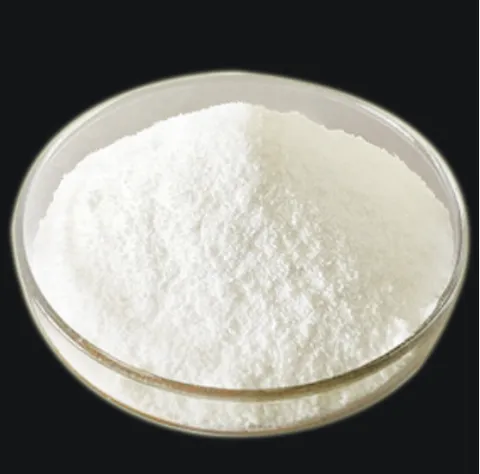
Potassium Chloride Product Introduction
Potassium chloride is an important fertilizer required for plant growth. It has a fast fertilizer effect, can be absorbed by the soil, and is not easy to lose. Applying an appropriate amount of potassium fertilizer can make crop stems strong, prevent lodging, promote flowering and fruiting, and enhance resistance to drought, cold, and diseases and pests.
Therefore, it is of great significance for high agricultural yields. As early as 1861, Germany used it as the main potassium fertilizer and maintained a monopoly on its production for a long time. Potassium chloride is also a major agricultural potassium fertilizer variety in China.
Due to abundant mineral resources, simple production methods, high potassium content, and low cost, potassium chloride remains the world's most important potassium fertilizer variety to this day, accounting for more than 90% of the global total potassium fertilizer sales. Among them, 50% is directly applied, and the rest is mainly used to produce compound (mixed) fertilizers.


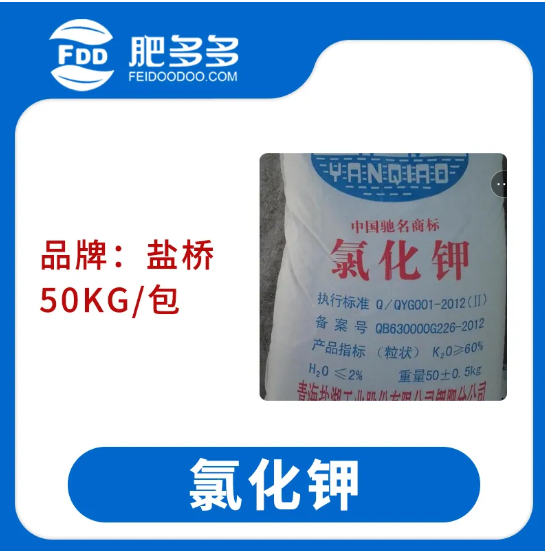
1. Properties
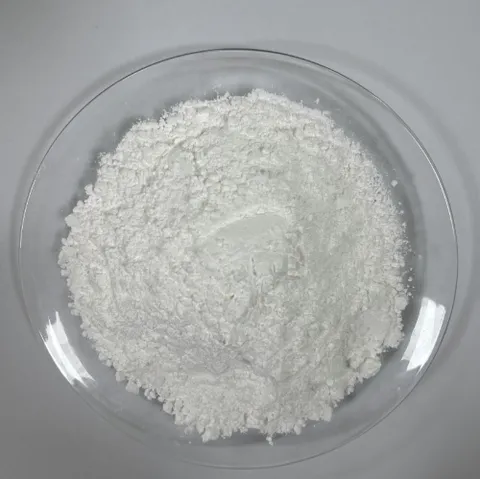
White crystals or crystalline powder with a bitter and salty taste. The melting point is 773℃, it is hygroscopic and easy to agglomerate. It is soluble in 2.8mL of water, 1.8mL of boiling water, 14mL of glycerol, and about 250mL of ethanol, but insoluble in hydrochloric acid, ether, and acetone. Sublimation occurs at 1500℃. Sodium and magnesium chlorides can reduce its solubility in water. The relative density of the saturated aqueous solution is 1.172, the pH is about 7, and it is irritating.
2. Main Uses
It is mainly used in the inorganic industry as a basic raw material for manufacturing various potassium salts or alkalis such as potassium hydroxide, potassium sulfate, potassium nitrate, potassium chlorate, and potassium dichromate.
In the pharmaceutical industry, it is used as a diuretic and a drug for preventing and treating hypokalemia. In the dye industry, it is used to produce G salt, reactive dyes, etc. In agriculture, it is a potassium fertilizer. It has a fast fertilizer effect.
When directly applied to farmland, it can make water in the lower layer of the soil rise, having a drought-resistant effect. However, it is not suitable for application in saline-alkali soils and for crops such as tobacco, sweet potatoes, and sugar beets. Potassium chloride has a taste similar to sodium chloride (bitter and salty) and is also used as an additive in low-sodium salt or mineral water.
In addition, it is used in the manufacture of flame retardants for muzzle or gun muzzles, steel heat treatment agents, and photography. It can also be used in medicine, scientific applications, food processing. Part of the sodium chloride in table salt can be replaced with potassium chloride to reduce the risk of hypertension.
3. Requirements for Applying Potassium Chloride
Do not apply it on chlorine-intolerant crops, otherwise, it will affect the yield and quality of crops.
It can be used as a base fertilizer or topdressing, but not as a seed fertilizer. Usually, it should be applied to the soil in combination with plowing 10-15 days before sowing. For topdressing, it should be applied when the seedlings are grown.
Dosage: The dosage per mu is 5-10 kilograms. For sandy soils with poor fertilizer and water retention capacity, the principle of small and frequent application should be followed.
Whether used as base fertilizer or topdressing, it should be applied early to facilitate leaching chloride ions to the lower layer of the soil through rainwater or irrigation water, reducing the harm of chloride ions to crops.
4. Notes for Applying Potassium Chloride
The best effect is achieved when potassium chloride is applied in combination with nitrogen and phosphorus fertilizers.
It is not suitable to apply potassium chloride in saline-alkali soils with poor water permeability, otherwise, it will increase salt damage to the soil.
When applying potassium chloride in sandy soils, it should be combined with organic fertilizers.
Generally, it is not suitable to apply potassium chloride in acidic soils. If it is to be applied, it can be combined with lime and organic fertilizers.
Gathering resources of hundreds of certified agricultural input suppliers, seamlessly connecting to the global procurement network. Through digital tools and services, we achieve precise supply-demand matching, transparent and credible transactions, efficient logistics coordination, and direct agricultural technical services to the fields. Helping manufacturers expand markets, empowering distributors to improve efficiency, and serving growers in scientific decision-making — FDD-Global, building a high-value agricultural input industry community.