Potassium Sulfate Product Introduction
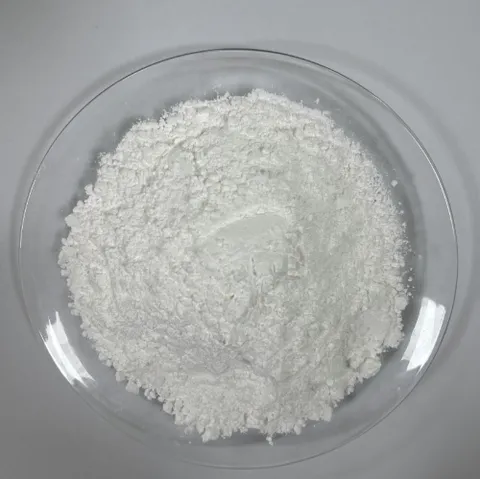
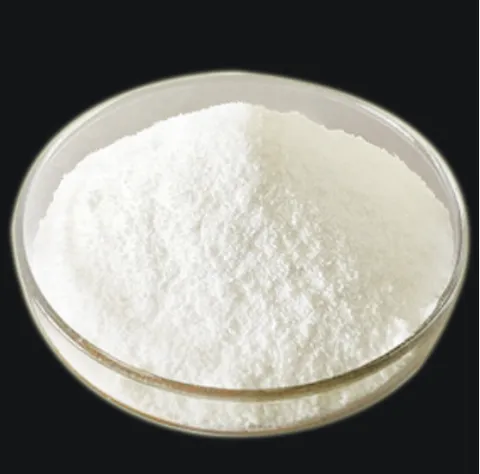
Potassium sulfate (K₂SO₄) is a salt composed of sulfate ions and potassium ions. Under normal conditions, it appears as colorless or white crystals, granules, or powder. It is odorless, bitter-tasting, and hard in texture.

1. Production Methods
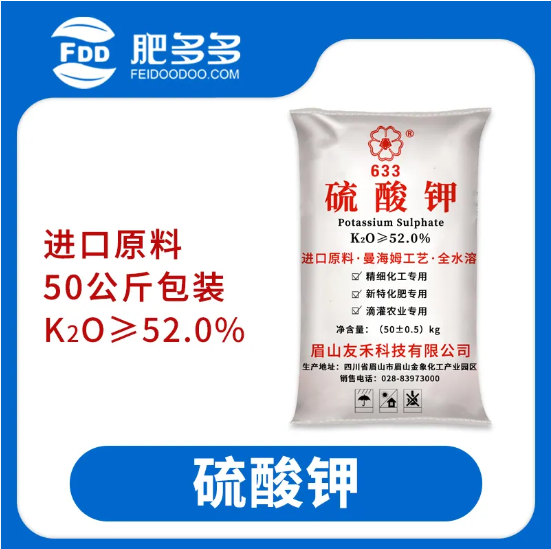
Mannheim Process: React 98% sulfuric acid with potassium chloride at high temperature to produce potassium sulfate, with by-product hydrochloric acid.
Crystallization Separation Method: Roast, leach, filter, concentrate, centrifuge, and dry tung seed shell alkali or plant ash alkali to obtain potassium sulfate.
Alunite Reduction Pyrolysis Method: Crush and roast alunite for dehydration, then decolorize, leach with sodium hydroxide solution, desiliconize, concentrate, and separate to obtain crude potassium sulfate, which is then refined to produce finished potassium sulfate.
Salt Brine Method: Obtained by the reaction of potassium chloride with sulfuric acid or sulfur dioxide, or by the neutralization of sulfuric acid with potassium hydroxide or potassium carbonate.
2. Agricultural Applications
Potassium sulfate is a colorless crystalline substance with low hygroscopicity, no easy caking, good physical properties, and convenient application, making it an excellent water-soluble potassium fertilizer. It is also a chemically neutral and physiologically acidic fertilizer. As a chlorine-free, high-quality, and efficient potassium fertilizer, potassium sulfate is an indispensable important fertilizer especially in the cultivation of chlorine-sensitive crops such as tobacco, grapes, sugar beets, tea trees, potatoes, flax, and various fruit trees. It is also a main raw material for high-quality nitrogen-phosphorus-potassium ternary compound fertilizers.
3. Usage Precautions
In acidic soils, excess sulfate ions will increase soil acidity and even aggravate the toxicity of active aluminum and iron in the soil to crops. Under waterlogging conditions, excessive sulfate ions will be reduced to hydrogen sulfide, causing root damage and blackening. Therefore, long-term application of potassium sulfate should be combined with farmyard manure, alkaline phosphate fertilizers, and lime to reduce acidity. In practice, measures such as drainage and sun exposure of the field should also be adopted to improve ventilation.
In calcareous soils, sulfate ions react with calcium ions in the soil to form insoluble calcium sulfate (gypsum). Excessive calcium sulfate can cause soil compaction, so attention should be paid to increasing the application of farmyard manure.
Focus on using it on chlorine-intolerant crops. For example, increasing the application of potassium sulfate on crops such as tobacco, tea trees, grapes, sugarcane, sugar beets, watermelons, and tubers can not only increase yield but also improve quality. Potassium sulfate is more expensive than potassium chloride and has a limited supply. It should be mainly used on cash crops sensitive to chlorine and those that prefer sulfur and potassium to achieve better benefits.
This fertilizer is a physiologically acidic salt. Applying it on alkaline soils can lower the soil pH value.
Looking for a reliable Chinese agricultural input supplier? FDD-Global is here to help. We carefully select and verify hundreds of high-quality Chinese agricultural input enterprises, build a transparent trading bridge, and connect directly with global buyers. Whether you need bulk commodities, special agricultural products, or customized procurement services, FDD-Global can unlock better business opportunities for you and establish high-value, trustworthy partnerships — this is the platform you can rely on.