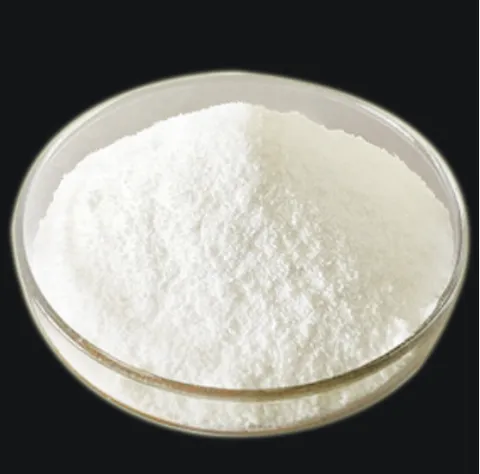
Aluminum Hydroxide Product Introduction
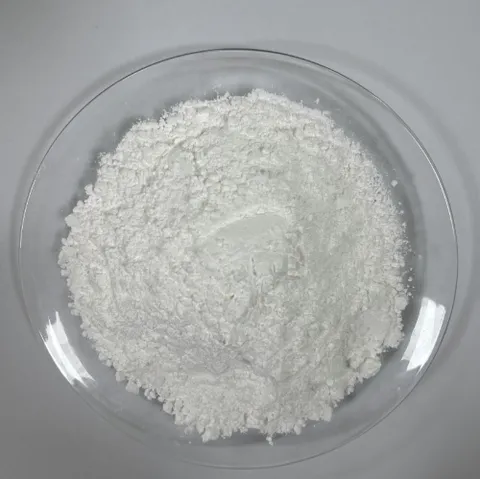
Aluminum hydroxide (Al(OH)3) is a white solid, insoluble in water but soluble in acids and alkalis, and is a typical amphoteric hydroxide. Upon heating in air, it dehydrates and transforms into aluminum oxide, which is important for alumina production. Aluminum hydroxide reacts with both acids and strong alkalis to form salts and water, thus it is an amphoteric hydroxide. Because it also exhibits some acidity, it can be called aluminic acid (H3AlO3). However, when it actually reacts with alkalis, it forms tetrahydroxyaluminate ([Al(OH)4]-). Therefore, it is usually considered as aluminic acid monohydrate (HAlO2·H2O), and is classified into industrial and pharmaceutical grades according to its uses.
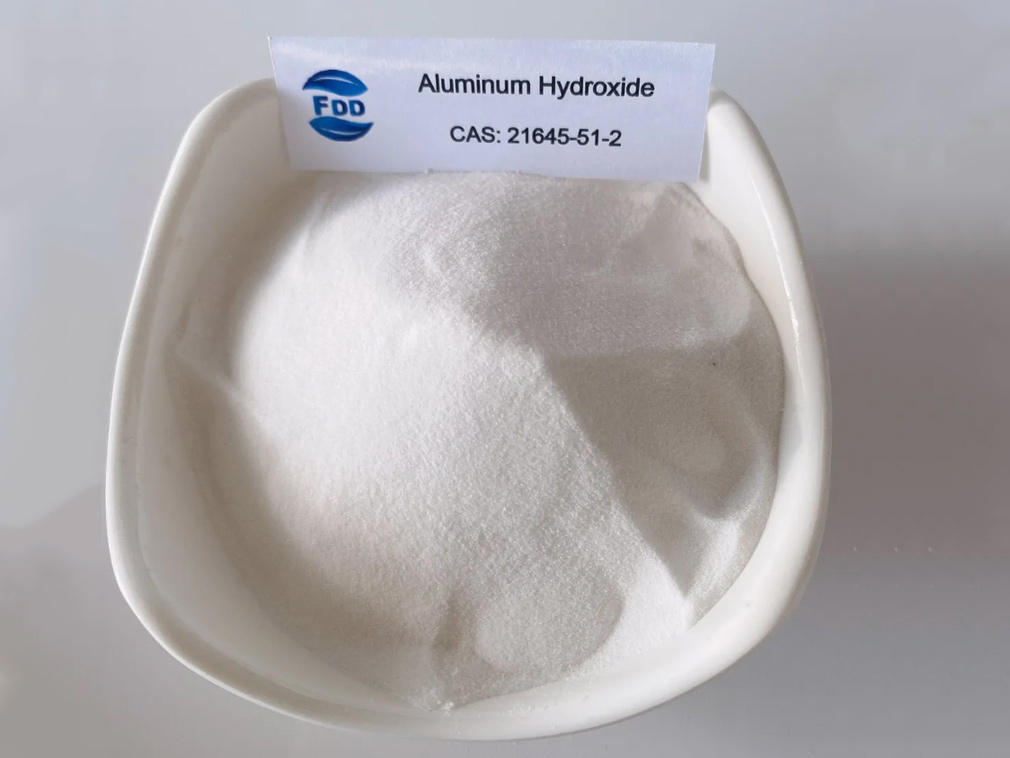
Applications of Aluminum Hydroxide
1. Chemical Raw Material
Because aluminum hydroxide can be produced on a large scale, the raw material is abundant, the product has high purity, and it is easily soluble in acids and alkalis, it is an important raw material for the preparation of aluminum salts, such as barium aluminate and aluminum sulfate.
2. Flame Retardant
Aluminum hydroxide powder, due to its filling, flame retardant, and smoke-suppressing functions, and its non-toxic and harmless nature, is generally considered an ideal flame retardant filler for plastics, unsaturated polyesters, rubber, and other organic polymers. The flame retardant mechanism of aluminum hydroxide is as follows: when the temperature exceeds 200℃, aluminum hydroxide begins to decompose endothermally and release three molecules of water of crystallization, with the decomposition rate reaching its maximum at around 250℃. That is, this reaction is strongly endothermic, thus inhibiting the rise in polymer temperature, reducing its decomposition rate, and producing only water vapor without generating toxic or harmful gases.
3. Ceramics
Aluminum hydroxide, after high-temperature calcination, yields alumina. Alumina possesses high thermochemical stability, thermal strength, creep resistance, dielectric properties, and a low coefficient of thermal expansion, making it an important material for ceramic synthesis. In ceramic synthesis, aluminum hydroxide activates and controls the crystallization process, thereby controlling the phase formation of composite materials.
4. Wastewater Treatment
Aluminum hydroxide exists primarily as Al(OH)₄⁻ in water. It can precipitate toxic heavy metals in wastewater through co-precipitation, followed by filtration to achieve water purification. Aluminum hydroxide has a high specific surface area, allowing it to adsorb colloids, suspended solids, dyes, and organic matter in wastewater onto its surface.
5. Pharmaceuticals
Aluminum hydroxide can neutralize stomach acid and is non-toxic and harmless, making it a traditional and effective remedy for stomach ailments. Using aluminum hydroxide as an adjuvant can enhance the immunogenicity of vaccines. Its mechanism of action involves adsorbing antigens onto the aluminum hydroxide surface, allowing for slow release and prolonging the drug's efficacy.
6. Catalyst Carrier
During its preparation, aluminum hydroxide can be used to produce products with varying specific surface areas, pore volumes, pore structures, and crystal structures by controlling the temperature, concentration, and pH of the reactants. It can be effectively used as a catalyst carrier in the hydrogenation of unsaturated carbonyl compounds and the preparation of fullerenes.
7. Paper Industry
Aluminum hydroxide possesses high whiteness, ultra-fine particle size, complete crystal form, and strong compatibility with whitening agents. As an additive in coatings and resins, it can effectively improve the whiteness, opacity, smoothness, and ink adhesion of coated paper.
We bring together hundreds of certified agricultural input suppliers, seamlessly connecting to a global procurement network. Through digital tools and services, we achieve precise matching of supply and demand, transparent and reliable transactions, efficient and coordinated logistics, and direct agricultural technology services to the fields. FDD-Global helps producers expand their markets, empowers distributors to improve efficiency, and supports growers in making informed decisions—building a high-value agricultural input industry community.