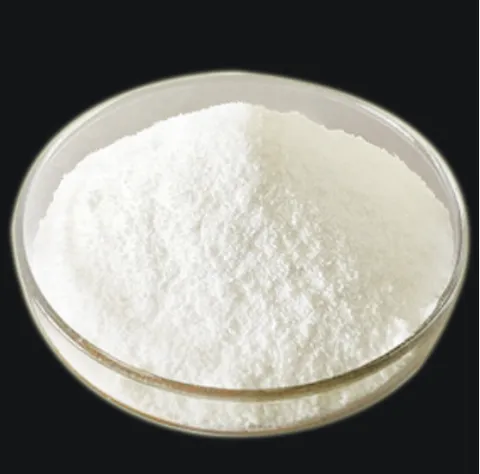
Product Introduction to Polyacrylamide
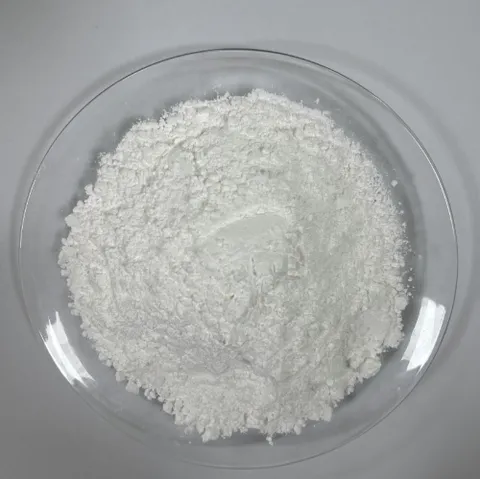
Polyacrylamide is a macromolecular compound obtained by the polymerization of acrylamide monomers, with a chemical formula of (C₃H₅NO)ₙ. In terms of appearance, it is a hard glassy solid at room temperature, but in practical applications, it also exists in various forms such as dry powder and colloid. Its property of being easily soluble in water gives it advantages in many application scenarios of aqueous systems; however, it is insoluble in organic solvents such as ethanol, ether, and methanol.
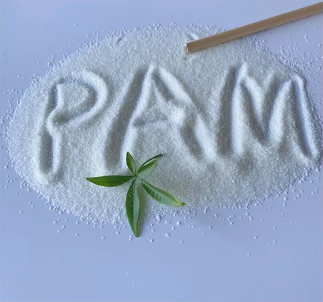
1. Properties of Polyacrylamide
1.1 Flocculation
PAM can effectively aggregate dispersed particles through electrical neutralization and surface adsorption. In water treatment, it can make suspended particles in water aggregate quickly to form large flocs, facilitating subsequent precipitation or filtration to achieve the purpose of purifying water quality. In the field of mineral processing, it can separate mineral particles from gangue particles, improving mineral recovery rate.
1.2 Thickening
Adding PAM to a liquid can significantly increase the viscosity of the liquid. In the food industry, it can be used to adjust the consistency of products such as sauces and jams; in cosmetics, it can improve the texture of products such as lotions and creams.
1.3 Adhesion
It has a certain adhesion capacity to many substances. In the papermaking industry, it helps to bond fibers together, improving the strength of paper; in the construction field, it can be used as one of the components of adhesives.
1.4 Stability
Polyacrylamide has good thermal stability. Within a certain temperature range, its performance will not change significantly. However, when the temperature is too high, the molecular chain may break, affecting its use effect.
2. Application Fields of Polyacrylamide
2.1 Water Treatment Field
Sewage treatment: Whether in urban domestic sewage or industrial wastewater treatment, PAM plays a key role. For sewage containing a large amount of suspended particles and organic matter, anionic PAM can make impurities precipitate through flocculation to purify water quality; cationic PAM is often used to treat sewage containing negatively charged colloidal particles, such as sludge dewatering, which can effectively reduce the water content of sludge.
Drinking water treatment: In the purification process of waterworks, PAM is used as a coagulant aid, together with other flocculants, to improve the flocculation effect, remove tiny particles, algae, and organic matter in water, and ensure the safety of drinking water.
2.2 Oil Exploitation Field
Drilling fluid additive: During the drilling process, PAM can increase the viscosity of drilling fluid, carry cuttings, stabilize the wellbore, prevent well collapse and other problems, and improve drilling efficiency and safety.
Oil displacement agent: After being injected into the underground oil reservoir, it can improve oil displacement efficiency, expand the swept volume, make crude oil easier to be extracted, and increase the recovery rate of the oilfield.
2.3 Papermaking Industry Field
Paper strengthening agent: It can enhance the bonding force between paper fibers, improve the physical properties of paper such as tensile strength, burst resistance, and tear resistance, and make the paper quality better.
Retention and drainage aid: It helps to retain fillers, fine fibers, etc. during papermaking, reducing loss, and at the same time improving the filtration performance of paper and accelerating the papermaking speed.
2.4 Other Fields
Mining: In the process of ore screening, separation, and purification, the flocculation of PAM can be used to improve mineral processing efficiency and reduce tailings discharge.
Agriculture: As a soil amendment, it can improve soil structure, increase soil water retention and air permeability, prevent soil compaction, and facilitate crop growth. It can also be used to prevent soil erosion; spraying a solution containing PAM on slopes, embankments, and other places can enhance the erosion resistance of the soil.
Food industry: In some food processing processes, such as juice clarification and beer filtration, PAM can be used as a flocculant to remove impurities and improve the transparency and purity of products. However, PAM used in the food industry has strict requirements on its purity and residual monomer content to ensure food safety.
We deeply engage in the agricultural resource industry internet and empower the global agricultural resource value chain. We connect hundreds of high-quality agricultural resource producers (seeds, pesticides, chemical fertilizers, agricultural machinery, etc.) with global distributors and large-scale growers, and drive transparent transactions, efficient circulation, and accurate services through a digital platform. Whether you are looking for superior products, expanding sales channels, optimizing procurement decisions, or improving planting efficiency, FDD-Global is your trustworthy partner in the agricultural resource industry internet.