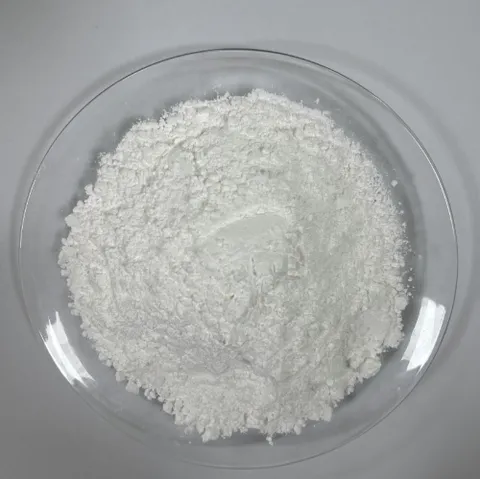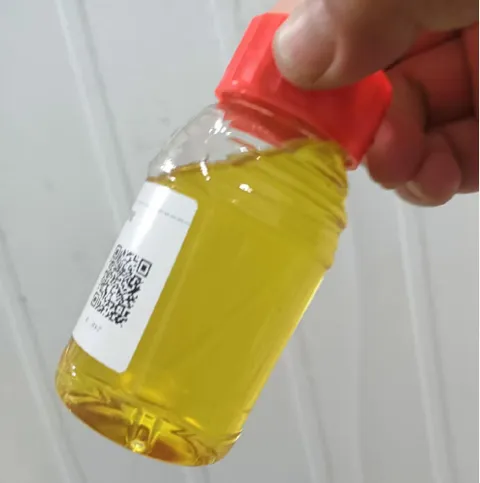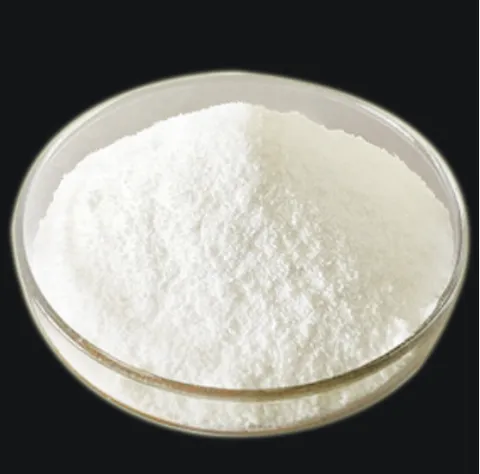
Bentazone Product Introduction
Bentazone, also known as Thiadiazine, Basagran, or Pledge, is a selective post-emergence herbicide for both paddy and upland fields researched and developed by German company BASF in 1968. It is suitable for various crops and pastures such as rice, wheat, barley, oats, corn, sorghum, soybeans, peanuts, peas, and alfalfa, offering excellent control efficacy against broadleaf weeds and sedge weeds. Bentazone boasts advantages including high efficiency, low toxicity, broad herbicidal spectrum, no phytotoxicity, and good compatibility with other herbicides. It has been put into production in countries like Germany, the USA, and Japan.
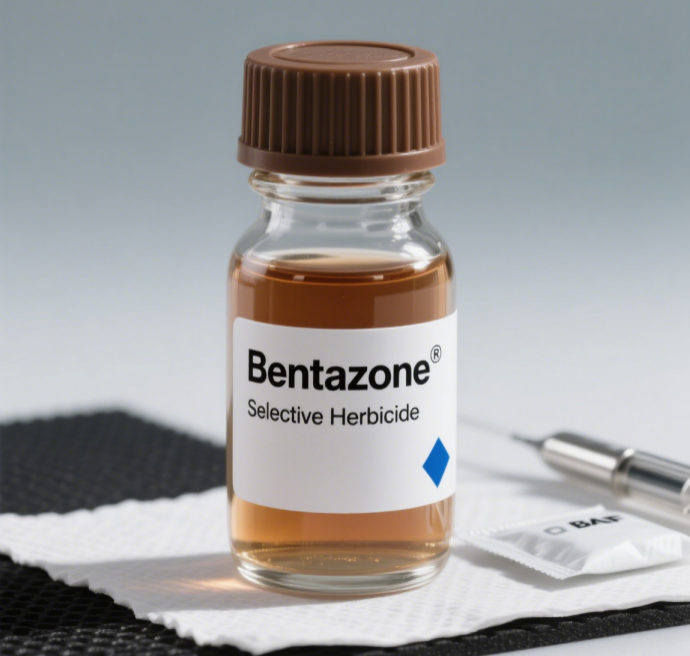
I. Mode of Action
Bentazone is a selective herbicide that inhibits photosynthesis, acting via contact and systemic translocation. In upland fields, it is primarily absorbed through the stems and leaves of weed seedlings. In paddy fields, it is absorbed through roots, stems, and leaves. It inhibits photosynthesis and water metabolism in weeds, causing them to starve to death. Bentazone effectively controls sedges and broadleaf weeds but is ineffective against grass weeds (Poaceae).
II. Uses
Bentazone is a contact-type, selective post-emergence herbicide. Applied at the seedling stage, it acts through foliar contact. When used in upland fields, it penetrates leaves and translocates to chloroplasts, inhibiting photosynthesis. In paddy fields, it is also absorbed by roots and translocated to stems and leaves, disrupting photosynthesis and water metabolism, leading to physiological dysfunction and death. It is primarily used to control dicotyledonous weeds, paddy sedges, and other monocotyledonous weeds, making it an excellent herbicide for rice paddies. It can also be used for weed control in upland crops like wheat, soybeans, cotton, and peanuts, targeting weeds such as bulrush (Scirpus spp.), flatsedge (Cyperus spp.), monochoria (Monochoria vaginalis), needle spikerush (Eleocharis acicularis), Pycreus globosus, water chestnut (Eleocharis dulcis), cleavers (Galium aparine), smartweed (Polygonum spp.), pigweed (Amaranthus spp.), lambsquarters (Chenopodium album), and Equisetum ramosissimum. Application efficacy is best under high temperatures and sunny conditions, and poorer otherwise. The dosage range is 9.8-30g active ingredient per 100m². For example, in rice paddies, apply 3-4 weeks after transplanting when weeds and sedges are fully emerged and at the 3-5 leaf stage. Use 20-30mL of 48% liquid formulation or 45-60mL of 25% aqueous solution per 100m², diluted in 4.5kg of water. Drain the field water before application. Choose a high-temperature, windless, sunny day to spray the solution evenly onto weed foliage. Re-flood the field 1-2 days later. This effectively controls sedge weeds (Cyperaceae) and broadleaf weeds. Efficacy against barnyard grass (Echinochloa crus-galli) is poor.
Aggregating resources from hundreds of certified agrochemical suppliers, seamlessly connect with global procurement networks. Through digital tools and services, we achieve precise matching of supply and demand, transparent and trustworthy transactions, efficient logistics coordination, and direct delivery of agricultural technical services to the fields. Empowering manufacturers to expand markets, enabling distributors to enhance efficiency, and serving growers in making scientific decisions – FDD-Global, building a high-value agrochemical industry community.