Carbendazim Product Introduction
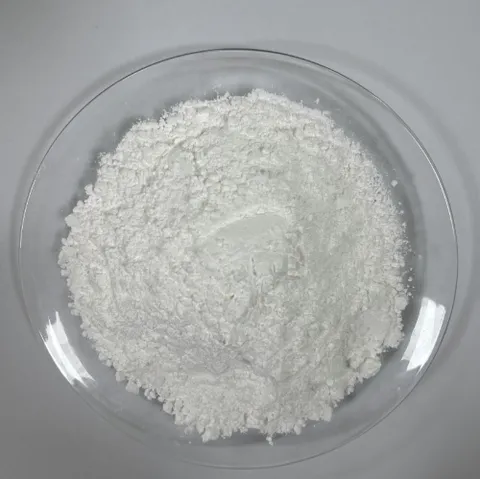
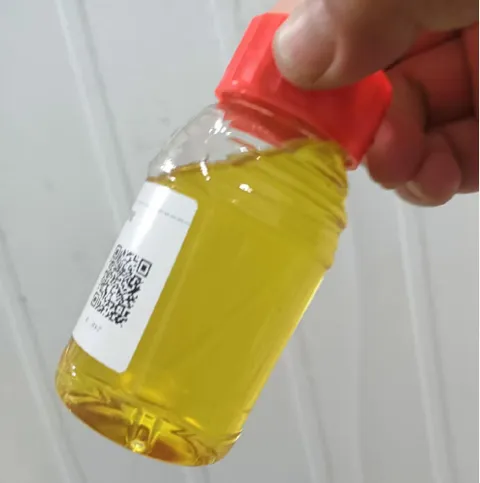
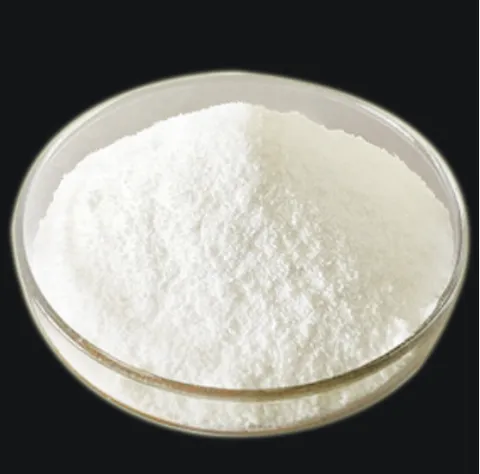
Carbendazim is a broad-spectrum fungicide, with the chemical name niclosamide. It appears as a yellow crystalline powder, is insoluble in water, and easily soluble in organic solvents. As a systemic fungicide, it can be absorbed through plant roots and transported to various parts of the plant, effectively inhibiting the growth and reproduction of bacteria, fungi, and other pathogenic microorganisms.
1. Action Characteristics:
Carbendazim belongs to benzimidazoles, which can inhibit microtubule formation by binding free β-tubulin monomers at the colchicine binding site. Its intended effect on target organisms is to produce cytotoxicity by destroying microtubules, ultimately achieving the fungicidal purpose. The main mechanism of carbendazim is to interfere with the formation of spindles during fungal mitosis, thereby affecting cell division. It is active against various pathogens among ascomycetes, basidiomycetes, and deuteromycetes, but inactive against oomycetes, Alternaria, Helminthosporium, and bacteria. Carbendazim can penetrate into plants through crop leaves and seeds. The agent is absorbed by seeds, roots, and leaves, can be transported within the plant, and has both protective and therapeutic effects. It has a long residual effect period, is resistant to rain washing, and the residual effect lasts for 7-10 days.
2. Main Uses:
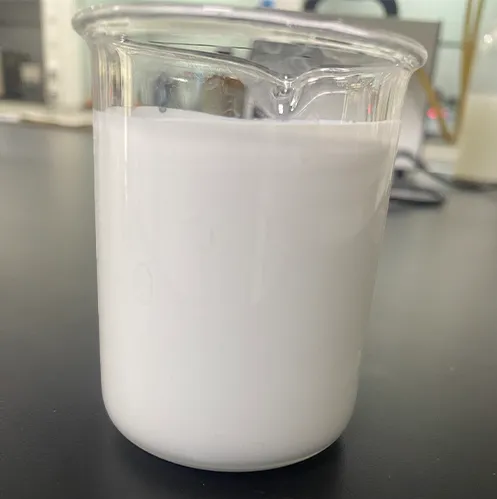
As a benzimidazole fungicide, carbendazim is highly effective, low-toxic, has a broad fungicidal spectrum and a relatively long residual effect period. It is effective against many ascomycetes, deuteromycetes, and various basidiomycetes, but ineffective against algae fungi. Carbendazim can be absorbed by plants and transported to other parts, interfering with the mitosis of pathogen cells and inhibiting their growth. It is used to control diseases such as wheat scab, cereal smut, cotton seedling diseases, rape sclerotinia, rice sheath blight, rice blast, and sugar beet leaf spot. It is also used to control various fungal diseases of grain, cotton, oilseeds, fruits, vegetables, and flowers, and can be used for fruit preservation. Carbendazim is usually processed into powders, wettable powders, and suspensions for use.
We gather resources of hundreds of certified agricultural material suppliers, seamlessly connecting to global procurement networks. Through digital tools and services, we achieve precise matching of supply and demand, transparent transactions, efficient logistics collaboration, and direct agricultural technical services. Empowering producers to expand markets, enabling distributors to improve efficiency, and serving growers in scientific decision-making - FDD-Global builds a high-value agricultural material industry community.