Ferric Chloride Product Introduction
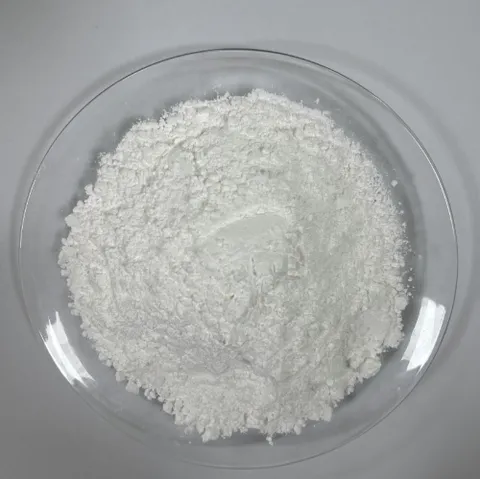
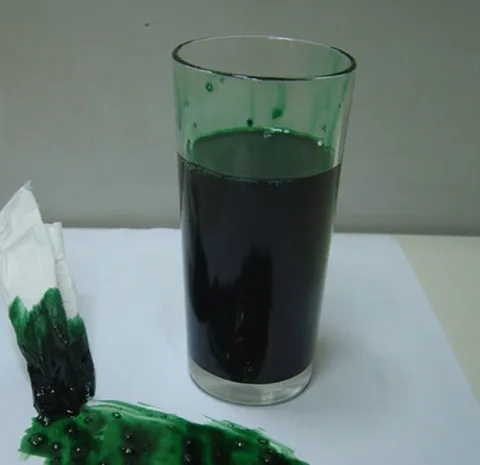
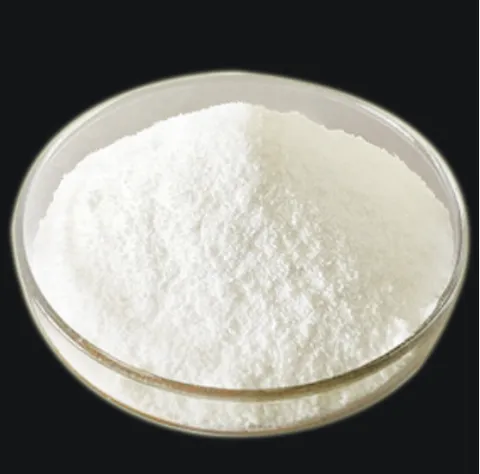
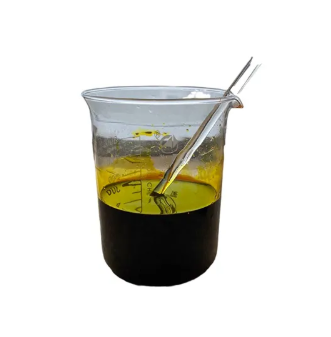
Ferric chloride (FeCl₃) is an inorganic compound, and its chemical formula indicates the proportional relationship between iron atoms and chlorine atoms. This substance can exist in both liquid and solid forms, with colors ranging from dark brown to yellowish - brown. The solid form is similar to rust. Ferric chloride solution is acidic, and the solid is easily soluble in water, releasing a large amount of heat during dissolution to form an acidic solution.
I. Preparation
Solid products are prepared by chlorination method, eutectic mixture reaction method and titanium tetrachloride by - product method, while liquid products are prepared by hydrochloric acid method and one - step chlorination method.
Put the iron - containing acid washing solution or waste hydrochloric acid into the reactor device, add iron powder or iron filings at the same time. The heat energy generated by the exothermic reaction between acid and iron preheats the materials. Then add the catalyst and pass in oxygen, and turn on the circulating pump to circulate the reaction solution for 3 - 5 hours until the polymerization reaction is complete. Transfer the reaction solution to a precipitation tank for precipitation or separate and enrich the product by filtration. The method of producing polyferric chloride by using iron - containing acid washing solution or waste hydrochloric acid reduces production costs and realizes the comprehensive utilization of waste resources.
Chlorination Method
With waste iron filings and chlorine gas as raw materials, the reaction is carried out in a vertical reaction furnace. The generated ferric chloride vapor and tail gas are discharged from the top of the furnace and enter the trap to be condensed into solid crystals, which are the finished products. The tail gas contains a small amount of unreacted free ferric chloride. Chlorine gas is absorbed by ferrous chloride solution to obtain ferric chloride solution as a by - product. During production, ferric chloride vapor generates intense heat when in contact with moisture in the air and releases hydrochloric acid gas. Therefore, pipes and equipment must be well sealed. The entire system operates under negative pressure.
Eutectic Mixture Reaction Method (Fusion Method)
In a reactor with an acid - resistant lining, iron filings and dry chlorine gas react in the eutectic mixture of ferrous chloride and potassium chloride or sodium chloride (for example, 70% FeCl₃ and 30% KCl). Ferric chloride is formed and sublimated, then collected in the condensation chamber. The ferric chloride prepared by this method has high purity.
Synthesis Method of Ferric Chloride Solution
Dissolve iron filings in hydrochloric acid to first generate ferrous chloride, then pass in chlorine gas to oxidize it into ferric chloride.
Cool the concentrated ferric chloride solution to produce hexahydrate crystals of ferric chloride.
Double Decomposition Method
React iron oxide with hydrochloric acid and crystallize to obtain ferric chloride finished products.
II. Uses
It is mainly used for metal etching and sewage treatment. Among them, etching includes etching of copper, stainless steel, aluminum and other materials. For the treatment of raw water with low oil content, it has the advantages of good effect and low price, but it has the disadvantage of causing the water to turn yellow. It is also used in printing and dyeing roller engraving, electronic industry circuit boards, and fluorescent digital tube production. In the construction industry, it is used to prepare concrete to enhance the strength, corrosion resistance and water resistance of concrete.
It can also be formulated with ferrous chloride, calcium chloride, aluminum chloride, aluminum sulfate, hydrochloric acid, etc. into concrete waterproofing agents. In the inorganic industry, it is used to manufacture other iron salts and ink. In the dye industry, it is used as an oxidant in the dyeing of Indigosol dyes. In the printing and dyeing industry, it is used as a mordant. In the metallurgical industry, it is used as a chlorinating leaching agent for extracting gold and silver. In the organic industry, it is used as a catalyst, oxidant and chlorinating agent. In the glass industry, it is used as a hot - state colorant for glassware. In the soap industry, it is used as a coagulant for recovering glycerin from soap waste liquid.
Another important use of ferric chloride is hardware etching. Etched products include: spectacle frames, clocks, electronic components, nameplates.
Technology empowers, connecting the future of global agricultural inputs. As a leading agricultural input industry internet platform, we use digital power to connect core manufacturers, high - quality distributors and large - scale planting terminals, reshaping a transparent, efficient and intelligent agricultural input circulation ecosystem. From seeds and fertilizers to plant protection machinery, from precise matching to data insight, choose FDD - Global to jointly promote the upgrading of the agricultural input industry and sustainable agriculture.