Glufosinate Ammonium Product Introduction
Glufosinate-ammonium is a low-toxicity, highly active, broad-spectrum non-selective herbicide. Its active ingredient is phosphinothricin (PPT). PPT is a structural analog of glutamic acid and competitively inhibits the activity of glutamine synthetase (GS), interfering with the synthesis of amino acids and glutamine. It is the shortage of glutamine that prevents the organism from detoxifying ammonia, inhibits photosynthesis, and ultimately leads to plant death.
I.Physicochemical Properties:
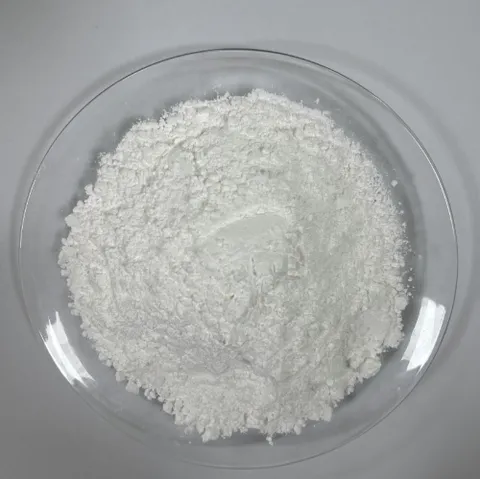
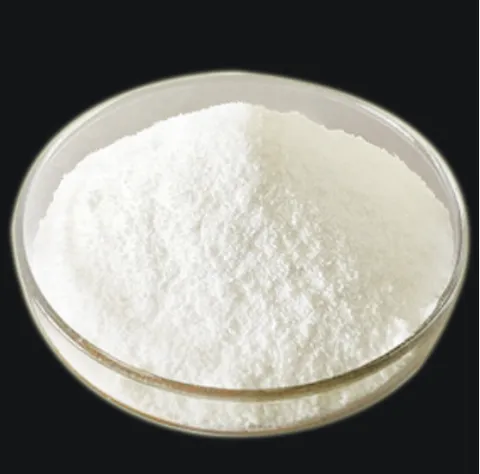
White crystalline solid with a slight odor. Melting point: 215°C. Vapor pressure:
II.Mode of Action and Weed Control Spectrum:
Belongs to the phosphinic acid class of herbicides. It is a glutamine synthetase inhibitor and a non-selective (total) contact herbicide. Used in orchards, vineyards, non-cropland, potato fields, etc., to control annual and perennial broadleaf and grass weeds. An application rate of 0.40 kg/ha effectively controls annual weeds such as blackgrass (Alopecurus myosuroides), crabgrass (Digitaria spp.), barnyardgrass (Echinochloa crus-galli), wild barley (Hordeum spontaneum), Italian ryegrass (Lolium multiflorum), green foxtail (Setaria viridis), yellow foxtail (Setaria pumila), wild oat (Avena fatua), and teosinte (Zea spp.). Rates of 1.00–2.00 kg/ha effectively control perennial weeds. Thus, an application rate of 0.4–2 kg/ha can effectively control annual and perennial broadleaf, grass, and sedge weeds, such as: annual bluegrass (Poa annua), wavy hair-grass (Deschampsia flexuosa), sheep fescue (Festuca ovina), etc.
Glufosinate-ammonium is an excellent non-selective herbicide and is highly suitable as a target for resistance genes. Targeting glufosinate-ammonium for resistance gene transfer and breeding resistant crop varieties, Hoechst (now Bayer CropScience) has successfully introduced the glufosinate resistance gene into more than 20 crops including rice, wheat, corn, sugar beet, tobacco, soybean, cotton, potato, tomato, oilseed rape, and sugarcane. The successfully commercialized LibertyLink® System resistant crops series covers almost all major crops, including soybeans, corn, oilseed rape, sugar beet, potatoes, cotton, and rice. These genetically modified crops are widely cultivated not only in North America, particularly the USA, but are also being promoted in parts of Asia, Australia, and Europe in recent years due to the advancement and widespread acceptance of gene technology. High-dose application of glufosinate can cause some damage to transgenic crops, but the injury is mild and has little impact on yield. The safe dose for glufosinate-resistant crops can be as high as 2.0 kg/ha or more, while 0.5–1.0 kg/ha of glufosinate can control most weeds.
Looking for reliable Chinese agricultural suppliers? FDD-Global is here to help. We carefully select and verify hundreds of high-quality Chinese agricultural enterprises, building a transparent transaction bridge directly to global buyers. Whether you need bulk commodities, specialty agricultural products, or customized procurement services, FDD-Global can unlock better business opportunities for you and establish high-value, trustworthy partnerships – this is the platform you deserve to choose.