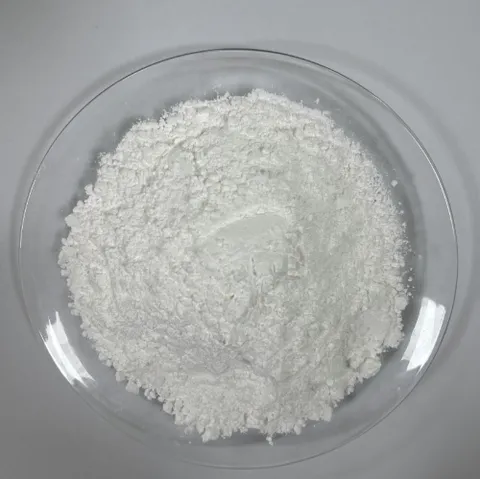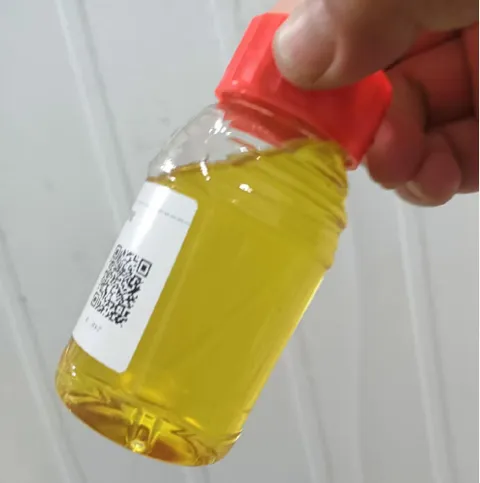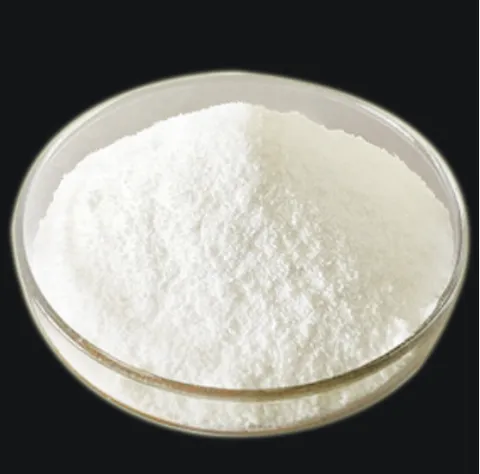
PACLOBUTRAZOL Product Introduction
Paclobutrazol is a plant growth regulator, which can delay plant growth, inhibit stem elongation, shorten internodes, promote plant tillering, enhance plant stress resistance, and increase yield. It is suitable for rice, wheat, peanut, fruit trees, tobacco, rape, soybean, flowers, lawns and other crops, with remarkable application effects.
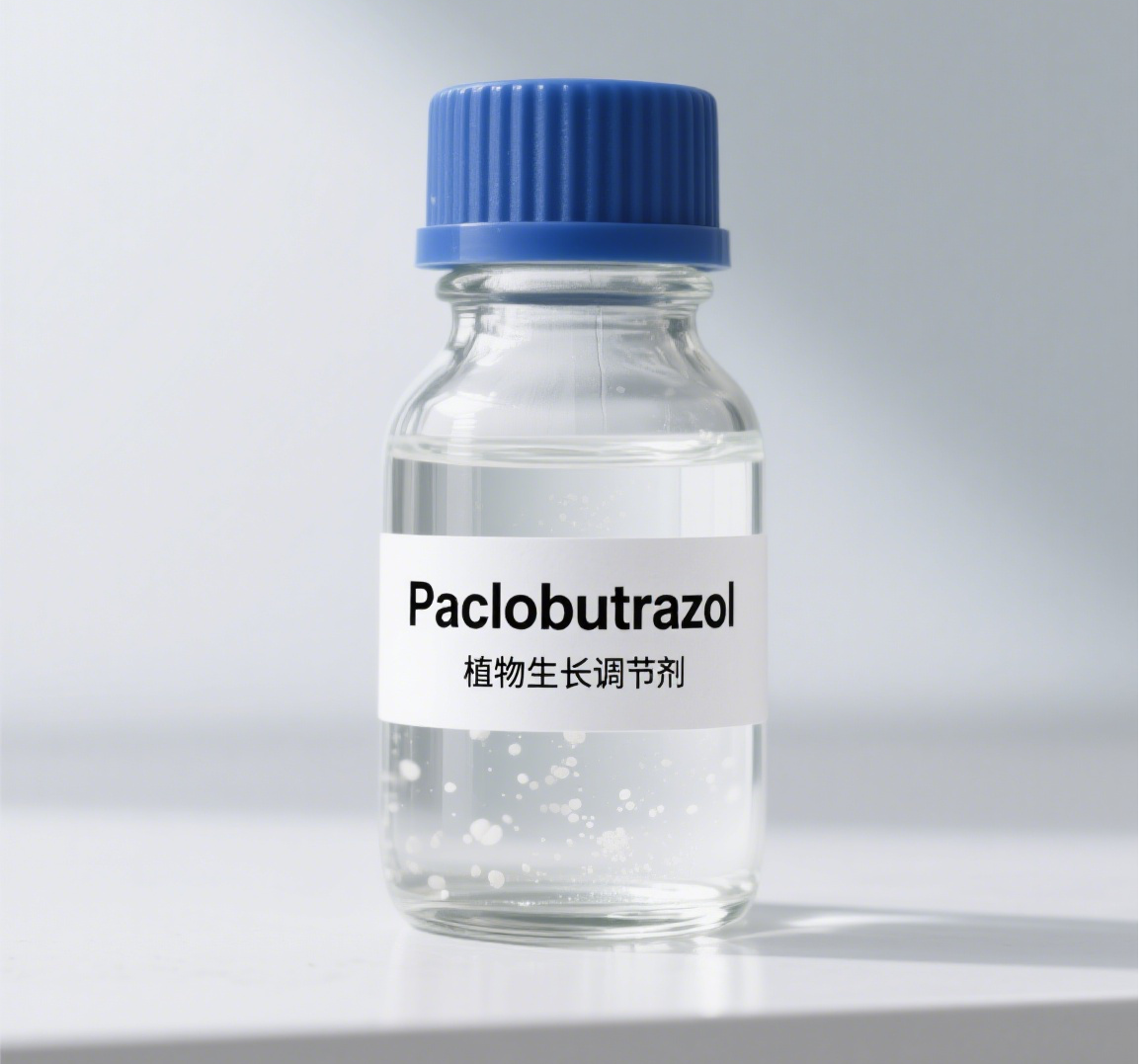
I. Product Introduction
Paclobutrazol is a triazole plant growth regulator developed in the 1980s and an inhibitor of endogenous gibberellin synthesis. It can also increase the activity of indole acetic acid oxidase in rice and reduce the level of endogenous IAA in rice seedlings. It significantly weakens the apical growth advantage of rice seedlings and promotes the growth of lateral buds (tillering). The seedlings appear short, strong and tillering, with dark green leaves and developed root systems. Anatomical studies have shown that paclobutrazol can reduce the size of cells in rice seedling roots, leaf sheaths and leaves, and increase the number of cell layers in various organs. Tracer analysis shows that rice seeds, leaves and roots can absorb paclobutrazol. Most of the paclobutrazol absorbed by leaves remains in the absorption part and is rarely transported outward. Low concentration of paclobutrazol can improve the photosynthetic efficiency of rice seedling leaves; high concentration can inhibit photosynthetic efficiency, increase root respiratory intensity, reduce respiratory intensity of above-ground parts, improve leaf stomatal resistance, and reduce leaf transpiration.
The agricultural application value of paclobutrazol lies in its control effect on crop growth. It has the effects of delaying plant growth, inhibiting stem elongation, shortening internodes, promoting plant tillering, promoting flower bud differentiation, enhancing plant stress resistance, and increasing yield. This product is suitable for rice, wheat, peanut, fruit trees, tobacco, rape, soybean, flowers, lawns and other plants, with remarkable application effects.
II. Mechanism of Action
It can be absorbed by plants through roots, stems and leaves. Paclobutrazol absorbed by roots is transported to the top of the plant through xylem, mainly upward. After being absorbed by leaves, it moves very slowly. Paclobutrazol inhibits the growth of plants or branches. This effect is mainly achieved by inhibiting the synthesis of gibberellin. In the process of inhibiting gibberellin synthesis, it mainly inhibits the three intermediate processes from mevalonic acid → kaurene → kaurenol → kaurenal → kaurenoic acid → gibberellin, but does not inhibit the synthesis of kaurene, nor does it affect the processes after kaurenoic acid. By inhibiting the synthesis of gibberellin, cell division and elongation are reduced. It can not only greatly reduce the amount of GA synthesized in plants, but also reduce the content of IAA, and increase the contents of endogenous ethylene, ABA and cytokinins. Paclobutrazol can effectively regulate and control plant growth and development at the hormone level by changing the hormone balance in plants. Its main physiological effects are as follows. 1. Change the level of endogenous hormones in crops and delay growth. The height and internode growth of plants are mainly regulated by gibberellin (GA). Paclobutrazol inhibits gibberellin synthesis, so it delays growth, inhibits internode growth and dwarfs plants. For example, after applying paclobutrazol at the seedling stage, the average gibberellin content is only 8.4% of that without application (CK); after applying paclobutrazol to rape seedlings, the gibberellin content is 65.2% lower than that of the control (CK). Paclobutrazol has an impact on the content of indole acetic acid in plants. The content in seedlings after application is 43% of that without application; in rape, the content of indole acetic acid in the treated group is 87.1% lower than that in the control group. After paclobutrazol treatment on rice and rape plants, the content of endogenous abscisic acid increases significantly. The content of abscisic acid in rice after application is 552.4% of that without application; in rape, it increases by 88.7%. Paclobutrazol also regulates the ethylene release rate of plants. When the rice leaf age is 3.1, 2.5kg/hm² of 15% paclobutrazol is applied, and sampling is conducted when the leaf age is 7.1. The ethylene release rate increases significantly, which is 137.4% of that without paclobutrazol application. Paclobutrazol also affects the content of endogenous cytokinins in plants. For example, when 3.75kg/hm² of 15% paclobutrazol is applied at the rice seedling stage, the average content is 118.4% higher than that without paclobutrazol application during 10-40 days after application.
Deeply cultivating the agricultural input industry internet, empowering the global agricultural input value chain. We connect hundreds of high-quality agricultural input manufacturers (seeds, pesticides, fertilizers, agricultural machinery, etc.) with global distributors and large-scale growers, driving transparent transactions, efficient circulation and precise services through a digital platform. Whether you are looking for advantageous products, expanding sales channels, optimizing procurement decisions, or improving planting efficiency, FDD-Global is your trustworthy partner in the agricultural input industry internet.