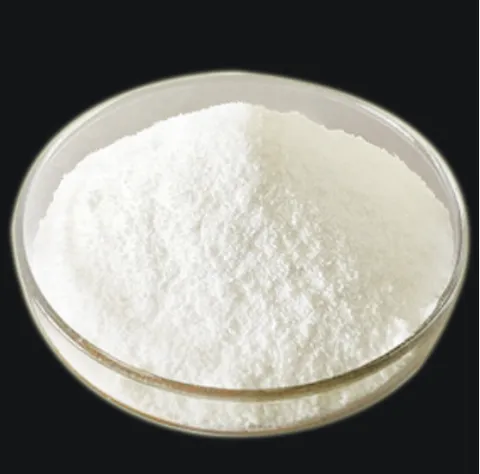
Product Introduction to MDCP
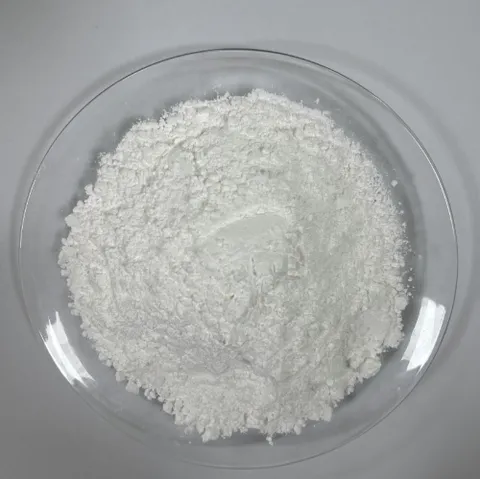
It is white crystalline powder or flaky crystal with a specific gravity of 2.220. It loses crystal water at 109℃, is soluble in hydrochloric acid and nitric acid, and slightly soluble in water (1.8% at 30℃). It generally contains free phosphoric acid and has hygroscopicity. Its aqueous solution is acidic. (Chemical formula: Ca(H2PO4)2·H2O)
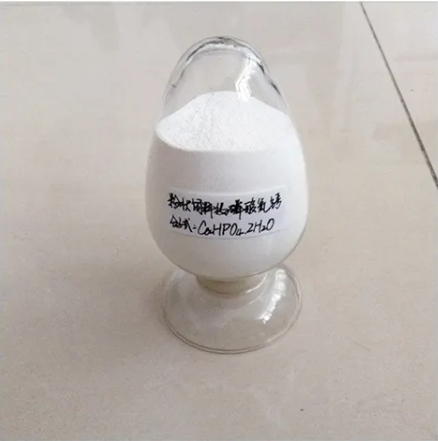
1. Production Methods
Dicalcium Phosphate Neutralization Method: Phosphoric acid solution and calcium hydroxide solution are subjected to a neutralization reaction. An appropriate amount of solid phosphoric acid is dissolved in water to obtain a phosphoric acid solution. Then, calcium hydroxide solution is slowly added to the phosphoric acid solution, and the reaction produces monocalcium phosphate precipitate. Through processes such as filtration, washing, and drying, pure monocalcium phosphate product can be obtained.
Reaction Method of Calcium Sulfate and Phosphoric Acid: Calcium sulfate solution and phosphoric acid solution are reacted. An appropriate amount of solid calcium sulfate is dissolved in water to obtain a calcium sulfate solution. Then, phosphoric acid solution is slowly added to the calcium sulfate solution, and the reaction produces monocalcium phosphate precipitate. Through processes such as filtration, washing, and drying, pure monocalcium phosphate product can be obtained.
Both methods produce monocalcium phosphate precipitate through reactions, and then the final product is obtained through subsequent treatment and purification steps. In actual production, a suitable production method is selected according to specific process requirements and conditions.
2. Main Applications
Monocalcium phosphate is widely used as a feed additive for aquatic breeding animals and livestock and poultry breeding animals. It also serves as a quality improver such as a leavening agent, dough regulator, buffer, nutritional supplement, emulsifier, and stabilizer.
It is used as a quality improver including leavening agent, dough regulator, buffer, nutritional supplement, emulsifier, and stabilizer. It can chelate metal ions in food, adjust the pH value, increase the ionic strength, and other functions, thereby improving the adhesion and water retention of food. It is used in flour, cakes, pastries, baked goods, fried foods, biscuits, milk powder, cold drinks, ice cream, etc.
It is used as an analytical reagent.
It is widely used as a feed additive for aquatic breeding animals and livestock and poultry breeding animals.
It is used in the refractory industry, sewage treatment, etc. It also acts as a leavening agent and calcium fortifier in food, a flavoring agent for wine, and a fermentation promoter, etc.
It is used as an analytical reagent and a plastic fixative.
It is used as a plastic stabilizer and an additive for glass production. In the food industry, it is used as a baking powder leavening agent, yeast nutrient, calcium nutritional supplement, and loosening agent.
We gather resources of hundreds of certified agricultural resource suppliers and seamlessly connect to the global procurement network. Through digital tools and services, we achieve accurate matching of supply and demand, transparent and reliable transactions, efficient logistics coordination, and agricultural technology services directly reaching the fields. We help producers expand the market, empower distributors to improve efficiency, and serve growers in making scientific decisions - FDD - Global builds a high - value agricultural resource industry community.