Product Introduction to Polyaluminium Chloride
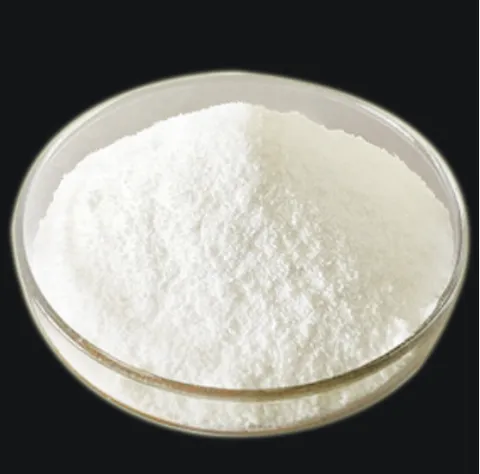
Polyaluminum Chloride, abbreviated as PAC, is an inorganic macromolecular coagulant and a commonly used flocculant in the field of water treatment. It is prepared from aluminum salts (such as aluminum chloride) through hydrolysis and polymerization reactions, with a general chemical formula of [Al₂(OH)ₙCl₆₋ₙ]ₘ (where n is an integer ranging from 1 to 5, and m is the degree of polymerization). Its molecular structure contains a large number of polynuclear complexes and colloidal particles, which can make suspended particles in water aggregate and settle through adsorption, bridging, electrical neutralization, and other effects, thereby achieving the goal of purifying water quality.
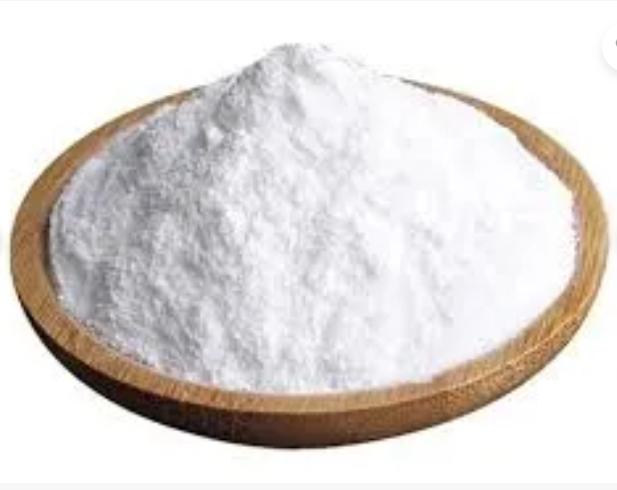
1. Main Properties
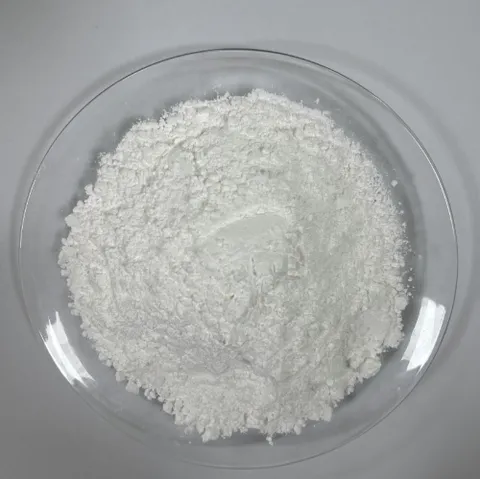
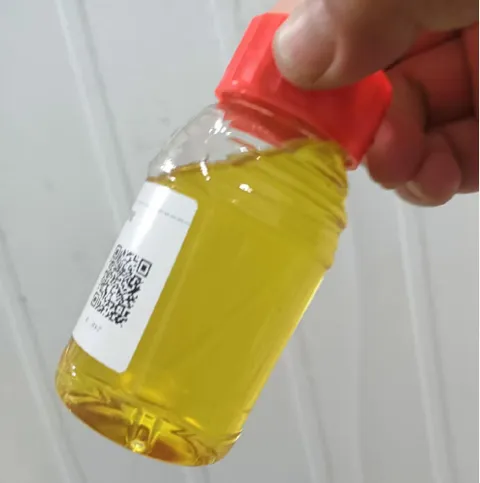
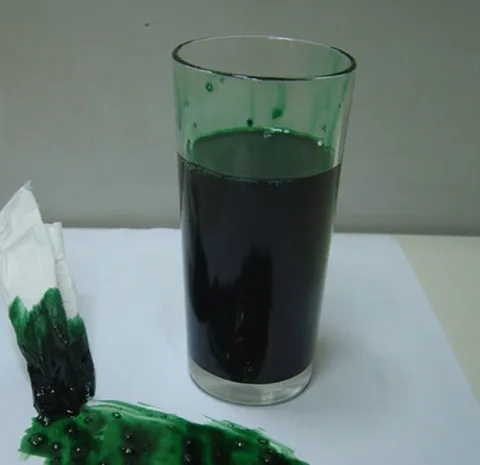
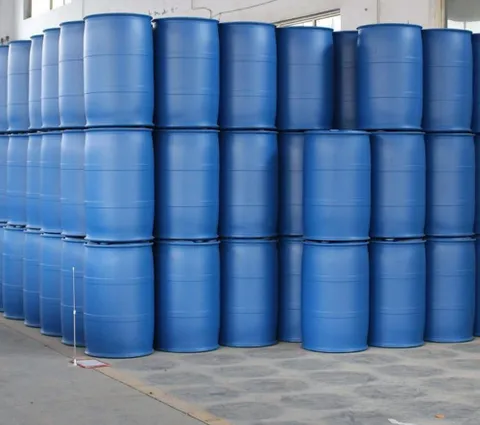
Polyaluminum chloride is classified into two types: one for drinking water and the other for industrial water, each complying with different relevant standards. Its appearance color ranges from yellow or light yellow to dark brown and dark gray, and it exists in two forms: liquid and solid. This product has strong bridging and adsorption properties. During the hydrolysis process, physical and chemical processes such as coagulation, adsorption, and precipitation occur simultaneously. The fundamental difference between polyaluminum chloride and traditional inorganic coagulants lies in that traditional inorganic coagulants are low-molecular crystalline salts, while the structure of polyaluminum chloride is composed of variable polycarboxyl complexes. It has a fast flocculation and precipitation rate, a wide applicable pH range, no corrosion to pipeline equipment, and obvious water purification effects. It can effectively remove chromaticity, SS (suspended solids), COD (chemical oxygen demand), BOD (biochemical oxygen demand), and heavy metal ions such as arsenic and mercury from water.
2. Application Fields
2.1 Water Treatment Field
The most extensive application field of polyaluminum chloride is water treatment, especially the purification of drinking water, sewage, and industrial wastewater. Due to its excellent flocculation performance and low usage cost, polyaluminum chloride is widely used in water quality treatment of urban water supply, industrial wastewater, domestic sewage, river water, and other water sources.
2.2 Industrial Wastewater Treatment
In many industrial production processes, wastewater often contains a large amount of pollutants such as suspended solids, oil stains, and heavy metal ions. Traditional chemical treatment methods are often difficult to meet environmental protection requirements. As a high-efficiency flocculant, polyaluminum chloride is widely used in the treatment of industrial wastewater.
2.3 Paper Production
In the paper production process, polyaluminum chloride can not only be used as a flocculant for wastewater treatment but also for the purification of pulp and the recycling of wastewater during the production process.
2.4 Food and Beverage Industry
The application of polyaluminum chloride in the food and beverage industry is mainly reflected in clarification and the removal of insoluble substances, especially in the production process of fruit juices, beverages, and other liquid foods.
Looking for a reliable Chinese agricultural resource supplier? FDD-Global is here to help. We carefully select and verify hundreds of high-quality Chinese agricultural resource enterprises, build a bridge for transparent transactions, and connect directly with global buyers. Whether you need bulk commodities, characteristic agricultural products, or customized procurement services, FDD-Global can unlock better business opportunities for you and establish high-value and trustworthy cooperative partnerships - this is the platform worthy of your choice.