Product Introduction to Poly Ferric Sulphate
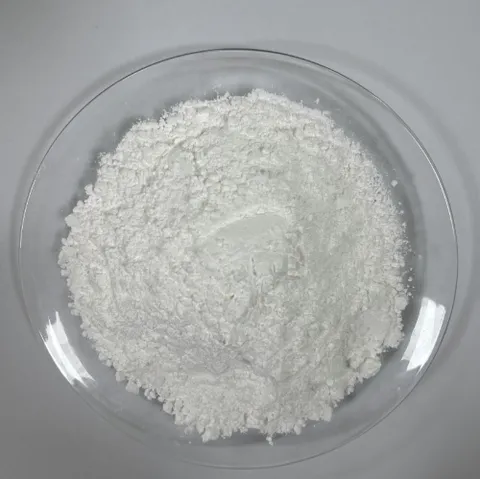
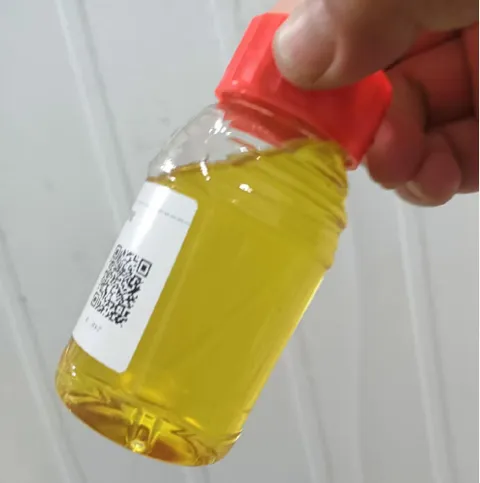
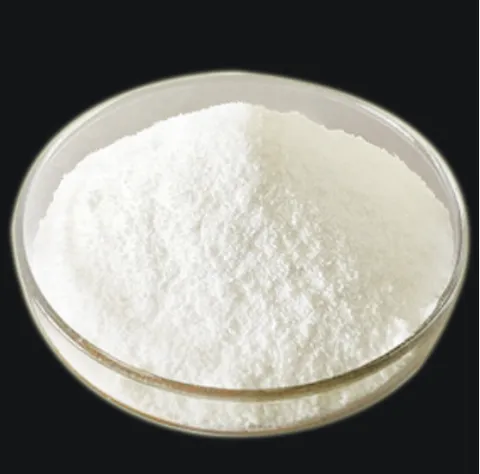
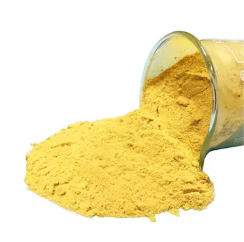
Polyferric Sulfate (abbreviated as PFS), also known as hydroxyferric sulfate, is a new type of inorganic macromolecular flocculant. After hydrolysis, it can produce a variety of high-valence and polynuclear ions, which can neutralize the electricity of suspended colloidal particles in water, reduce the potential, and promote the mutual coagulation of ions. At the same time, it can produce adsorption, bridging, cross-linking, and other effects. It can be used for the purification of domestic water and industrial water, as well as the purification of various industrial wastewater and urban sewage (such as those from food, leather, mining, metallurgy, printing and dyeing, papermaking, petroleum processing, etc.). At the same time, polyferric sulfate has superior water purification performance, with advantages such as low production cost, small dosage, large alum flowers produced, dense flocs, fast sedimentation, a wide applicable pH range, high removal rate of impurities (turbidity, COD, suspended solids, etc.), fast floc sedimentation, and good decolorization effect. It is highly favored by the water treatment industry and has been widely used in the treatment of various industrial wastewater and urban sewage.
1. Application Fields
1.1 Water Treatment Field
The most extensive application field of polyaluminum chloride is water treatment, especially the purification of drinking water, sewage, and industrial wastewater. Due to its excellent flocculation performance and low usage cost, polyaluminum chloride is widely used in water quality treatment of urban water supply, industrial wastewater, domestic sewage, river water, and other water sources.
Application Methods:
Drinking water treatment: As a flocculant, polyaluminum chloride can effectively remove suspended solids, colloidal particles, heavy metal ions, and other harmful substances in water. Its advantage is that the flocculation effect is significant, and good treatment results can be achieved with a low dosage.
Sewage treatment: Polyaluminum chloride is used to remove harmful substances in industrial wastewater and domestic sewage, such as oil stains, dyes, petroleum-based substances, and other organic pollutants. Due to its high-efficiency removal capacity, polyaluminum chloride is often used as a flocculant together with other water treatment agents (such as coagulants aids and flocculation adjuvants).
River water treatment: In cases of water eutrophication and water quality deterioration, polyaluminum chloride can be used to treat water blooms and harmful substances in river water, improving the water quality of the water body.
1.2 Industrial Wastewater Treatment
In many industrial production processes, wastewater often contains a large amount of pollutants such as suspended solids, oil stains, and heavy metal ions. Traditional chemical treatment methods are often difficult to meet environmental protection requirements. As a high-efficiency flocculant, polyaluminum chloride is widely used in the treatment of industrial wastewater.
Application Methods:
Pulp and paper industry: In papermaking wastewater treatment, polyaluminum chloride can effectively remove pollutants such as suspended solids, pulp fibers, and surfactants in water, reducing COD (chemical oxygen demand) and BOD (biochemical oxygen demand).
Chemical industry: During chemical production, wastewater often contains pollutants such as acids, alkalis, salts, and metal ions. Polyaluminum chloride can effectively remove these pollutants through flocculation, reducing water pollution.
Food industry: In the wastewater treatment of food processing industries such as sugar factories and wineries, polyaluminum chloride can remove suspended solids, chromaticity, and oils.
1.3 Paper Production
In the paper production process, polyaluminum chloride can not only be used as a flocculant for wastewater treatment but also for the purification of pulp and the recycling of wastewater during the production process.
1.4 Food and Beverage Industry
The application of polyaluminum chloride in the food and beverage industry is mainly reflected in clarification and the removal of insoluble substances, especially in the production process of fruit juices, beverages, and other liquid foods.
Application Methods:
Juice clarification: In the production process of fruit juice, polyaluminum chloride can be used to remove suspended particles, turbidity, and some soluble substances in the juice, making the juice more transparent.
Beverage purification: Polyaluminum chloride is used for the clarification treatment of beverages, removing impurities and pigments in them, and improving the appearance and taste of beverages.
1.5 Agricultural Field
The application of polyaluminum chloride in agriculture is mainly reflected in soil improvement and the purification of irrigation water.
Application Methods:
Soil improvement: Polyaluminum chloride can be used to adjust soil acidification in agriculture. By adjusting the pH of the soil, it improves the growth environment of crops and increases crop yields.
Irrigation water purification: In irrigation water treatment, polyaluminum chloride can effectively remove suspended solids, bacteria, etc., in water, ensuring the cleanliness of irrigation water.
1.6 Petrochemical Field
In the petrochemical field, polyaluminum chloride is widely used in the petroleum refining process to remove impurities and water from oil products, improving the quality of petroleum.
Application Methods:
Petroleum dehydration: Polyaluminum chloride can be used for the dehydration of petroleum products, removing water from oil products and improving product quality.
We have built a global agricultural resource industry internet platform, carefully selecting and connecting hundreds of reliable suppliers with a large number of procurement needs. We are committed to eliminating information barriers, optimizing supply chain efficiency, reducing transaction costs, and empowering scientific planting. Whether you are an agricultural resource producer, distributor, or large-scale farmer, FDD-Global can help you seize business opportunities and become a trustworthy platform for cost reduction, efficiency improvement, and income increase.