SODIUM FORMATE Product Introduction
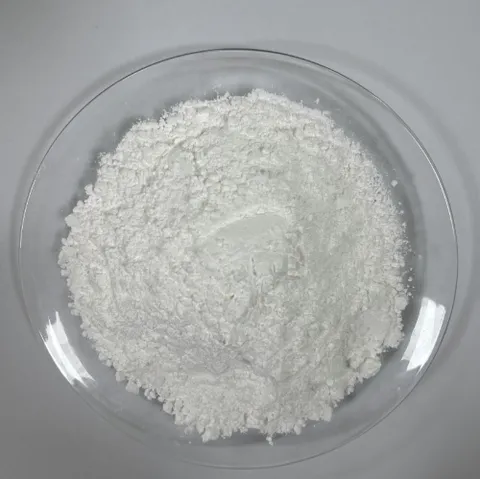
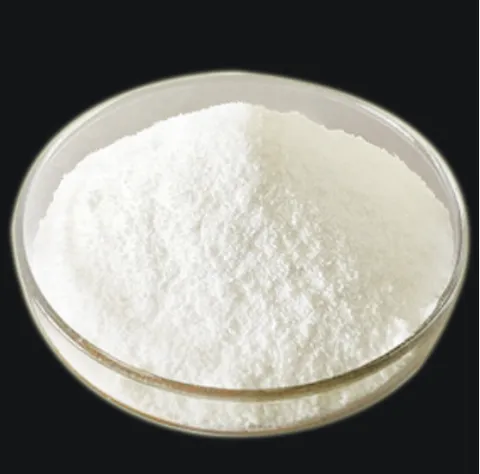
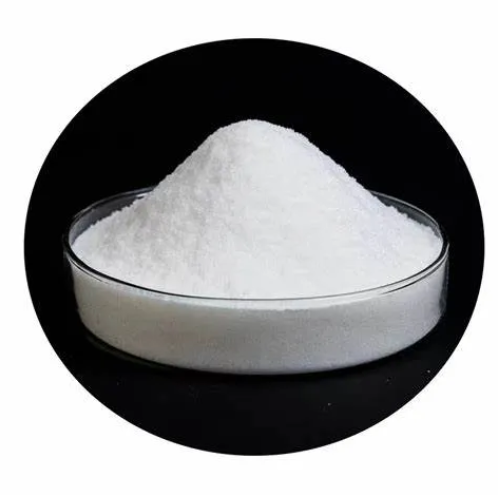
Sodium formate appears as white hygroscopic powder or crystals, with a slight formic acid odor. It is soluble in water and glycerin, slightly soluble in ethanol, and insoluble in ether. It is toxic. It can be used in the production of formic acid, oxalic acid, formamide, and sodium hydrosulfite; as a masking acid in the leather industry and chrome tanning process; and as a catalyst, etc.

I. Physical Properties
Appearance and Structure: Sodium formate exists as colorless crystals, commonly in the forms of anhydrate and monohydrate. Anhydrous sodium formate crystals belong to the orthorhombic system, while monohydrate crystals belong to the monoclinic system.
Solubility: Sodium formate is easily soluble in water, soluble in alcoholic solvents, and insoluble in organic solvents.
Thermal Stability: Sodium formate decomposes at high temperatures, releasing methane and carbon dioxide.
II. Chemical Properties
Acidity and Alkalinity: Sodium formate is an alkaline substance. In water, it can generate formate ions and sodium ions, and can neutralize acidity when reacting with strong acids.
Oxidizability: Sodium formate can be oxidized by oxidizing agents (such as hydrogen peroxide) into carbon dioxide and water.
Reducibility: Sodium formate can act as a reducing agent in many chemical reactions, such as the reaction with copper sulfate, methanol, and sulfuric acid.
Buffering Property: Sodium formate can be used as a buffering agent to adjust the pH value of solutions, with important applications in acid-base reagents.
III. Production Process
Reaction of Sodium Hydroxide with Formaldehyde: Sodium formate is produced by reacting sodium hydroxide with formaldehyde. This reaction requires controlling reaction conditions and selecting catalysts.
Reaction of Sodium Carbonate with Formic Acid: Sodium formate is produced by reacting sodium carbonate with formic acid. This method features simple operation and mild reaction conditions.
Other Production Methods: Sodium formate can also be prepared by methods such as diazotization reduction of formic acid and hydrolysis of carbamates.
IV. Application Fields
Industrial Applications: Sodium formate is widely used in industries such as textiles, leather, dyes, and fertilizers, serving as an acid stabilizer, pH adjuster, reducing agent, etc.
Pharmaceutical Field: Sodium formate can be used as a catalyst and reaction intermediate in drug synthesis.
Agricultural Field: Sodium formate can be used as a raw material for insecticides and herbicides.
Laboratory Research: In laboratories, sodium formate is used to adjust solution pH, as a buffering agent, catalyst, etc.
Gathering resources of hundreds of certified agricultural input suppliers, seamlessly connecting with global procurement networks. Through digital tools and services, we realize precise matching of supply and demand, transparent and credible transactions, efficient logistics coordination, and direct agricultural technology services to the fields. Helping manufacturers expand markets, enabling distributors to improve efficiency, and serving growers in scientific decision-making - FDD-Global, building a high-value agricultural input industry community.