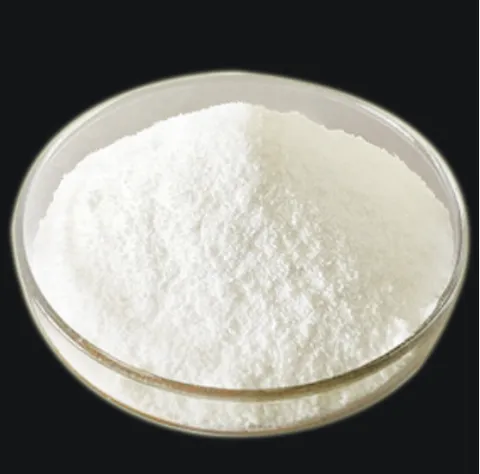
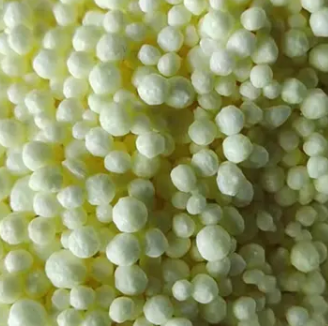
Sulfur Coated Urea (SCU)
I. Product Definition and Core Structure
Sulfur Coated Urea (SCU) is a typical physical slow-release and controlled-release nitrogen fertilizer. Its core structure consists of urea (N ≥ 46%) as the core, externally coated with a uniform and dense sulfur layer sprayed under high pressure using molten sulfur. Some products are further coated with a sealing wax (or polymer) outside the sulfur layer to regulate nutrient release, and a small amount of adhesive may be added.
II. Working Principle and Nutrient Release Characteristics
Slow-release principle: Nutrient release mainly relies on water permeating into the core through micropores or cracks in the sulfur coating, dissolving the urea, and then the urea solution diffusing out through the micropores. Coating thickness, integrity, as well as soil temperature and moisture are key factors affecting the release rate.
Dual-effect nutrients: The product not only provides nitrogen (N) but also sulfur (S) nutrition—sulfur, the coating material, is oxidized by microorganisms in the soil and ultimately converted into sulfate ions (SO₄²⁻), realizing "one fertilizer, two supplies" (nitrogen and sulfur).
Release pattern: Compared with ordinary urea, its nitrogen release shows an "S"-shaped curve—slow initial release, stable mid-term release, and gradual slowing in the later period—significantly extending the fertilizer effect period (usually 8-12 weeks or longer).
III. Main Advantages and Agronomic Value
Improve nitrogen use efficiency: By slowing the release rate to better align with crop nitrogen demand rules, it reduces losses from volatilization, leaching, and denitrification. Typically, nitrogen use efficiency can be increased from 30-35% (ordinary urea) to 50-70%.
Labor-saving and efficient: A single base application can meet the nitrogen demand of crops throughout the entire growth season or key growth periods, reducing topdressing times. It is especially suitable for agricultural systems where topdressing is difficult or large-scale mechanized operations are adopted.
Mitigate environmental impact: Significantly reduces nitrogen emissions to groundwater and the atmosphere, helping to reduce agricultural non-point source pollution.
Promote crop growth: Continuous and stable nitrogen supply avoids excessive vegetative growth in the early stage and nutrient deficiency in the later stage of crops, facilitating robust growth and improving yield and quality. It also supplements sulfur.
IV. Main Application Fields and Usage Methods
Applicable Crops
Field crops: Ideal for one-time fertilization of corn, rice, wheat, etc.
Cash crops: Crops with long growth periods and high fertilizer demand, such as sugarcane, lawns, forage grass, fruit trees, and palms.
Horticulture and greenhouse cultivation: Potted flowers, nurseries, and high-value vegetables.
Application Methods
Mainly used as base fertilizer, applied to the soil once before sowing or transplanting. Can be broadcast followed by plowing or side deep application. Generally not recommended for topdressing.
Dosage Calculation
Determined based on target yield, soil fertility, and the product's stated release period (e.g., 60-day, 90-day, 120-day types). Usually, the dosage can be reduced by about 20-30% compared to the recommended dosage of ordinary urea.
V. Precautions
Release dependent on environment: Release rate is significantly affected by soil temperature and moisture. Release slows down under low temperature or drought conditions, which may fail to meet the early nutrient demand of crops.
Application timing: To ensure no nitrogen deficiency in crop seedlings, it may be necessary to apply a small amount of quick-acting nitrogen fertilizer, or apply appropriately in advance according to climatic conditions.
Cost consideration: Production cost is higher than ordinary urea, making it a value-added fertilizer. However, its benefits of labor saving, yield increase, and environmental protection can offset part of the cost.
Storage and handling: Avoid severe mechanical stirring or dropping from heights to prevent coating damage and loss of slow-release effect.
Empowered by technology, connecting the future of global agriculture. As a leading agricultural industrial internet platform, we use digital power to connect core producers, high-quality distributors, and large-scale planting terminals, reshaping a transparent, efficient, and intelligent agricultural circulation ecosystem. From seeds, fertilizers to plant protection machinery, from precise matching to data insights, choose FDD-Global to jointly promote the upgrading of the agricultural industry and sustainable agriculture.